Glacier National Park’s fundraising organization, the Glacier National Park Conservancy, is addressing increased demands amid staffing cuts that have reduced the park's workforce by nearly 25%. In a public meeting held on October 7, the Conservancy shared updates on its ongoing and future projects while emphasizing its pivotal role in connecting park needs with community support.
Read More
Since its establishment in 2013, the Conservancy has raised funds annually for specific park initiatives, which have included a range of projects from mountain goat research to mental health services. President Tagen Vine noted that the group funded 39 projects totaling $4.6 million in the last year and is now focusing on raising $4.6 million for 35 projects by 2027.
Vine emphasized the significant growth in the Conservancy’s capacity to support Glacier National Park, highlighting the positive effects of community backing over the past decade. The planned funding will partially support the Granite and Gunsight Crews project, aimed at restoring dedicated maintenance crews for essential trail upkeep, particularly in areas that have faced delays due to workforce reductions.
Cameron Aveson, trails supervisor for Glacier, remarked on the challenges posed by increasing budget constraints and reduced staff, affecting the maintenance of over 740 miles of trails. Current crews often perform only temporary fixes instead of comprehensive repairs due to these setbacks. The Conservancy plans to allocate $100,000 specifically for creating permanent trail crews in the Granite Park and Gunsight districts.
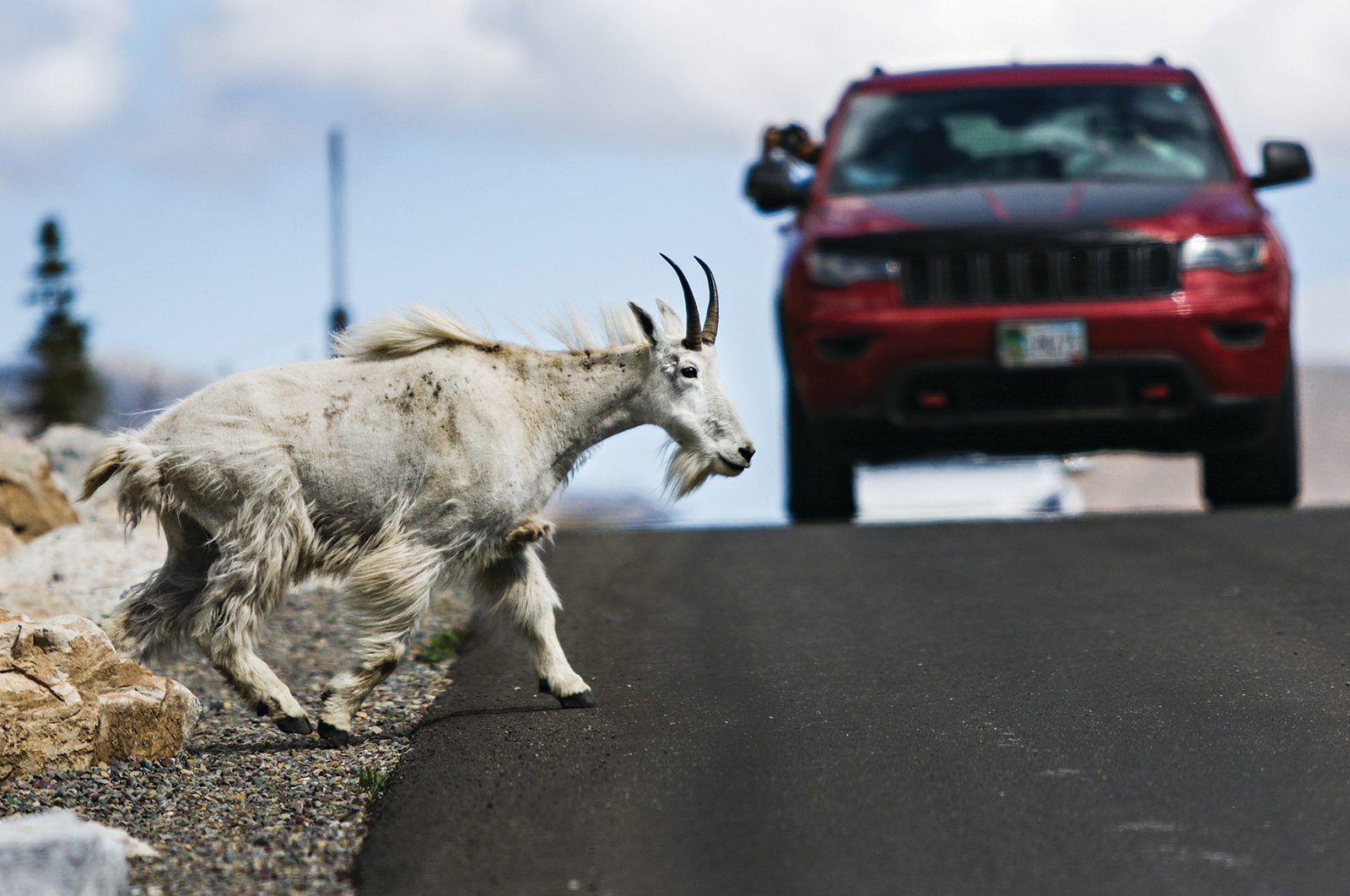
During the meeting, other funded projects were highlighted, including research on mountain goat interactions with visitors, known as the “Goats and Boats” project. Natural resources program manager Mark Biel explained that the research, completed in 2023, aimed to understand the overlap in usage between river users and mountain goats. Findings revealed that while some interactions were positive, disruptive behaviors by visitors negatively impacted goat behavior.
These insights will inform future management strategies, including an expanded no-stop directive along the Middle Fork area to mitigate detrimental interactions. Biel noted the significant difficulties in securing research funding, which the Conservancy has helped alleviate.
The meeting also covered the Preventative Search and Rescue (PSAR) initiative, led by Chief Ranger Katy Anderson. Initiated in 2018 due to increasing visitation, the program has expanded from two to 13 rangers dedicated to enhancing hiker safety across the park. The PSAR rangers provide vital information on trail conditions and safety, with some trained in emergency medicine to improve response times in emergencies.
The Conservancy aims to allocate over $300,000 next year to enhance the PSAR program’s capabilities, including the potential introduction of ambulances and paramedics to support local resources during emergencies. Anderson also discussed Glacier's mental health initiative, which facilitates access to mental health care for park employees, addressing trauma experienced by first responders.
In closing, Vine expressed gratitude to all supporters of the Conservancy and Glacier National Park, emphasizing the significant impact their contributions have on both wildlife and human visitors during a time of reduced staffing.