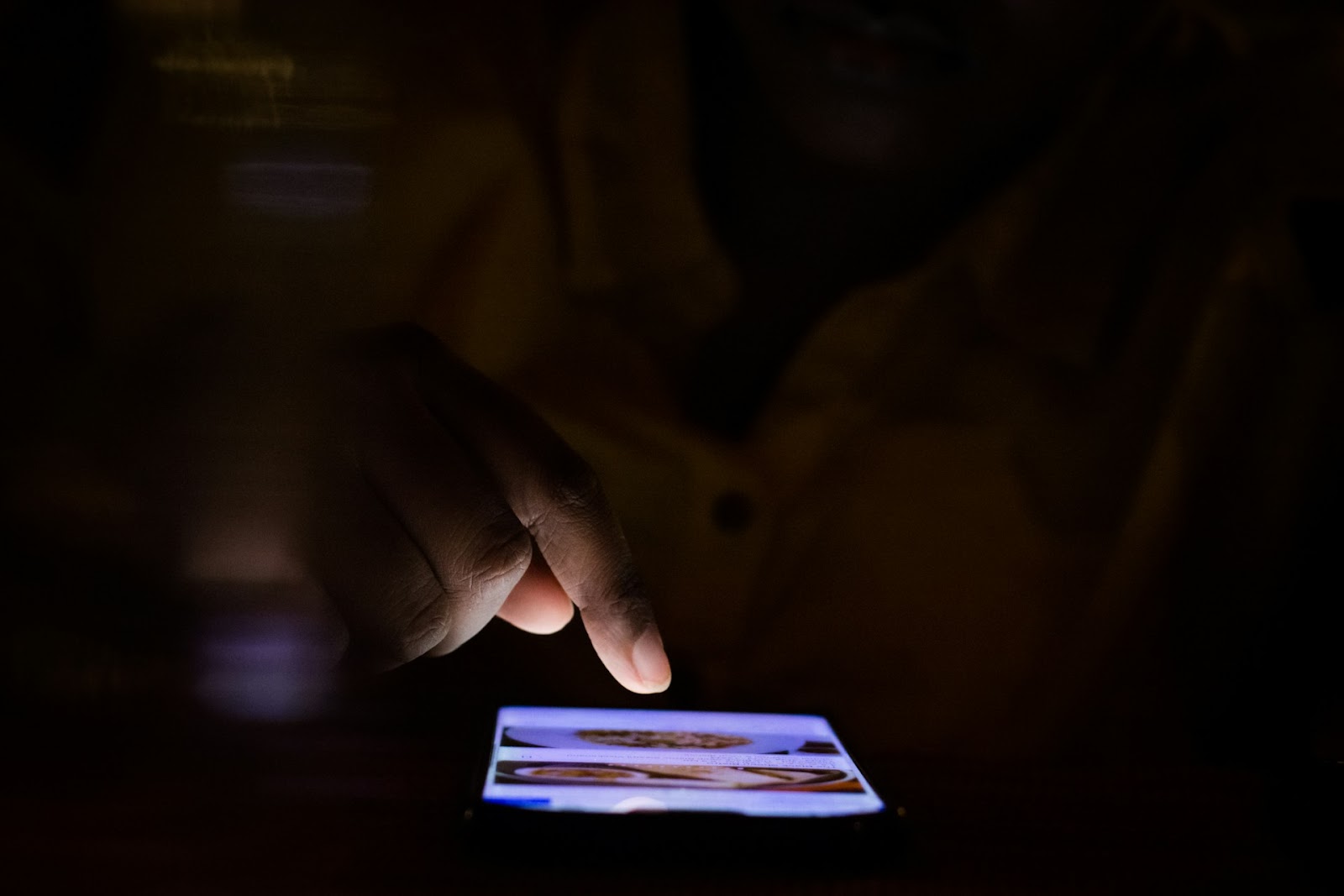
A study by the University of Cincinnati and Northwestern University has identified a significant correlation between excessive daily social media usage and depression in adults. The findings, highlighted by national media including U.S. News & World Report and USA Today, reveal that spending as little as 150 minutes per day on social media can predict depressive symptoms more effectively than traditional factors such as employment status or educational background.
Read More
The researchers analyzed 11 years of data from the Media Behaviors and Influence Study, starting in 2014, which included responses from 183,300 adults aged 18 to 70. This data set enabled a comprehensive examination of the relationship between social media use and self-reported depression, utilizing advanced machine learning techniques to confirm accuracy.
Hans Breiter, a professor at UC and corresponding author of the study, emphasized the troubling implications of their findings, stating, "It’s a damning picture. Social media is harmful for individuals across the lifespan." The study was published in the journal Mental Health Research, part of the Nature Portfolio.
The research found that social media has become an increasingly significant predictor of depression over the years, overshadowing other digital activities like TV viewing and web surfing. Co-lead author Vikram Suresh noted that previous studies often overlooked the distinct impact of social media, usually focusing on younger populations or less comprehensive data sets.
UC doctoral student Johnathan Avant remarked on the public's growing awareness of social media’s potential mental health repercussions, with trends highlighting discussions around the negative impacts on well-being.
Nicole Vike, a UC senior research associate, noted a shift in social media consumption patterns, from interacting with known acquaintances to engaging with content created by strangers, which can intensify feelings of addiction and isolation. "It’s crazy how addictive it can be," she said.
Despite the pervasive nature of social media, experts suggest strategies for limiting usage. Sumra Bari, also a senior research associate at UC, mentioned tactics like setting timers and logging out after each session to help curb habitual scrolling. However, she acknowledged the societal pressure to remain connected, urging awareness of potential risks.
Professor Emeritus Martin Block likened social media to the automobile, which also brought cultural changes along with negative consequences. Breiter concluded that society must seek ways to mitigate the negative impacts of our highly digital culture, labeling the study's findings as a critical warning.