As spring approaches, the season heralds warmer weather and fresh produce, making it an ideal time to explore a plant-based diet. With numerous vibrant options available at local markets, this season provides a unique opportunity to rejuvenate your meals.
Read More
A plant-based diet primarily focuses on foods derived from plants. Abbey Sharp, RD, author of The Mindful Glow Cookbook, explains that while there's no strict definition, such diets typically include fruits, vegetables, beans, legumes, nuts, and seeds. Maggie Michalczyk, RDN, notes that while these diets often minimize animal products, some variations may still include limited animal proteins.
Jackie Newgent, RDN, emphasizes that substituting plant foods for meat can create satisfying meals similar to traditional fare. Foods described as superfoods, while lacking a formal definition, typically offer enhanced nutritional benefits, according to Newgent.
Incorporating more fruits and vegetables into your diet can lead to numerous health benefits, including reduced risks of chronic diseases and improved heart health, as noted by Michalczyk. Research supports that increasing plant-based food intake contributes positively to overall health. The Centers for Disease Control and Prevention (CDC) encourages adequate consumption of plant foods to mitigate risks for conditions such as diabetes and heart disease.
This spring, consider these eight plant-based superfoods:
1. **Strawberries**: High in antioxidants and vitamin C, strawberries may help decrease the risks of chronic diseases. They can be added to salads for a delicious touch.
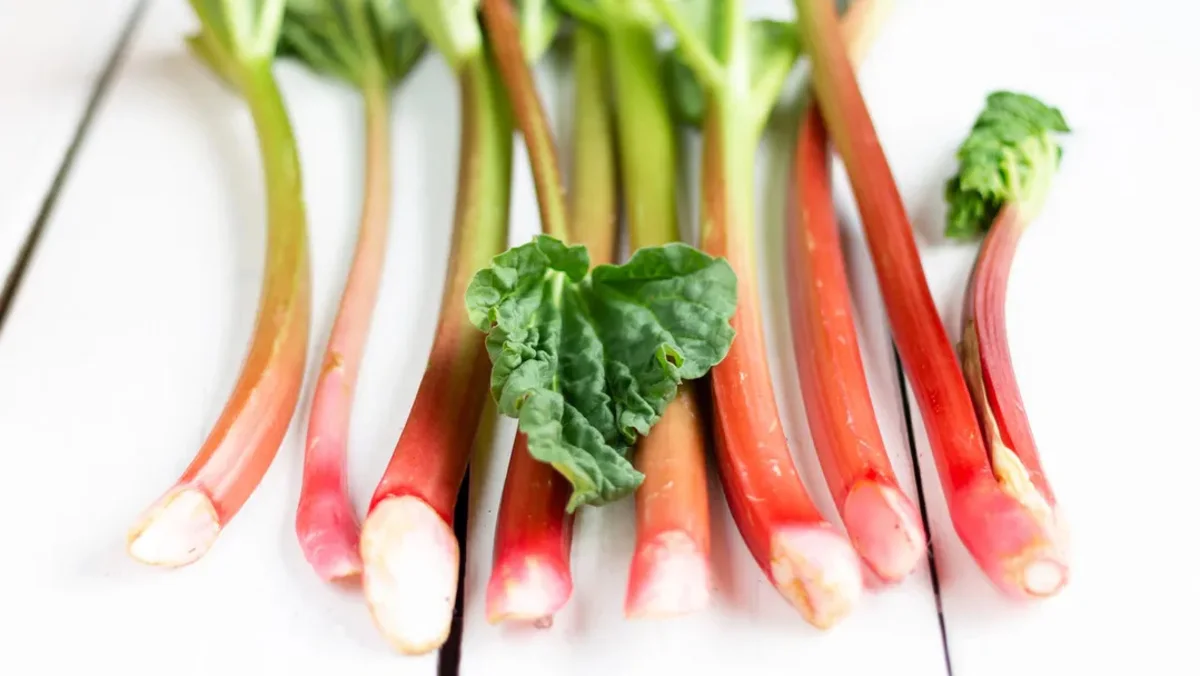
2. **Rhubarb**: Known for its tartness and rich in vitamin K, rhubarb can enhance both desserts and jams, promoting bone health.
3. **Radishes**: Crisp and mildly spicy, radishes provide vitamin C and anti-inflammatory compounds, making them a great addition to salads or as a snack.
4. **Leeks**: With a milder flavor than onions, leeks are high in beta carotene and add depth to soups and risottos.
5. **Carrots**: Rich in vitamin A, carrots can be enjoyed raw or incorporated into baked goods, supporting vision health and digestion.
6. **Asparagus**: A source of folate and potassium, asparagus can be sautéed or added to dishes like pizzas to boost nutritional value.
7. **Spinach**: Low in calories but high in fiber, spinach is nutrient-dense and can be blended into smoothies for a refreshing snack.
8. **Peas**: High in fiber and protein, peas can be tossed with other greens for a light and zesty salad.
To ease into a plant-based diet, it may be helpful to start gradually, as abrupt changes can lead to digestive discomfort. Practices such as Meatless Mondays can facilitate this transition, and keeping seasonal produce visible can encourage healthier eating habits. Visiting farmers' markets can also inspire creativity in meal planning.
Ultimately, embracing a plant-based diet during spring can enhance your health while providing flavorful and nutrient-rich foods. Whether you fully transition or simply incorporate more plants into your diet, focusing on seasonal variety is key to supporting your well-being.