The term "ultra-processed foods" was first introduced in 2009, redefining how we approach nutrition by emphasizing the degree of food processing. These foods are characterized as durable, accessible, convenient, and palatable, often containing additives and ingredients that serve no culinary purpose. They require minimal preparation and are packaged for easy consumption. In the United States, ultra-processed foods now account for approximately 73% of available food products, with about 53% of calories consumed by adults and 62% by youth coming from these items.
Read More
Research into the health implications of ultra-processed foods has significantly increased in recent years. Traditionally, nutrition science focused on individual nutrients, but current studies are shifting toward understanding how the processing and manufacturing of foods impact health. While dietary factors are known to contribute to chronic diseases, classifying all ultra-processed foods as harmful is not supported by evidence, as associations vary by product type and nutritional content. For instance, some ultra-processed items, such as unsweetened plant-based milks and whole grain breads, can have neutral or beneficial health outcomes.
Heart disease remains the leading cause of death in the U.S., with many ultra-processed foods containing high levels of saturated fats, added sugars, and sodium, which contribute to adverse cardiometabolic outcomes. Studies consistently show a link between the intake of ultra-processed foods and risks of obesity, type 2 diabetes, hypertension, and cardiovascular mortality. Recommendations include reducing or eliminating red and processed meats, sugary beverages, and desserts while substituting them with minimally processed plant-based options.
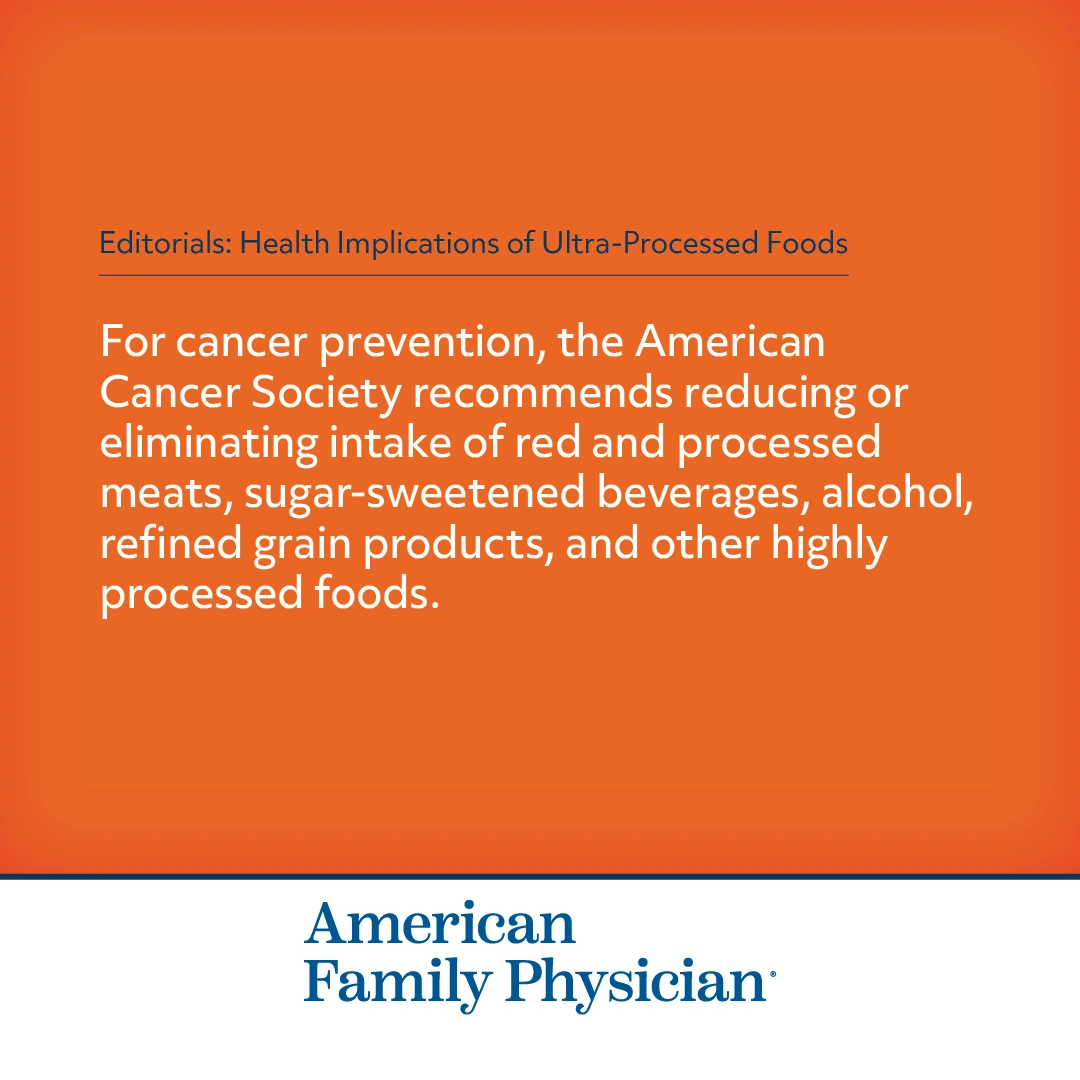
Cancer is the second leading cause of death in the U.S., with rising mortality rates for colorectal cancer, especially among those under 50. The American Cancer Society advises limiting red and processed meats, sugary drinks, and other highly processed foods, while encouraging diets rich in minimally processed plant-based foods that are high in fiber and nutrients—factors linked to lower risks of certain cancers.
Prospective studies have shown a connection between ultra-processed food intake and the risk of Crohn's disease, though data on ulcerative colitis remains inconclusive. There is limited evidence suggesting a possible association between these foods and irritable bowel syndrome.
Concerning mental health, there is low-quality evidence suggesting that ultra-processed food consumption may be linked to anxiety and depressive symptoms, although the relationship may be bidirectional. Furthermore, high intake of ultra-processed foods has been correlated with increased all-cause mortality, attributed to factors like excessive sodium and low intake of whole grains, nuts, fruits, and vegetables.
Given the current literature, which is predominantly observational and has its limitations, it is essential for family physicians to recommend a dietary focus on minimally processed, plant-based foods that also resonate culturally and personally with patients for optimal health.