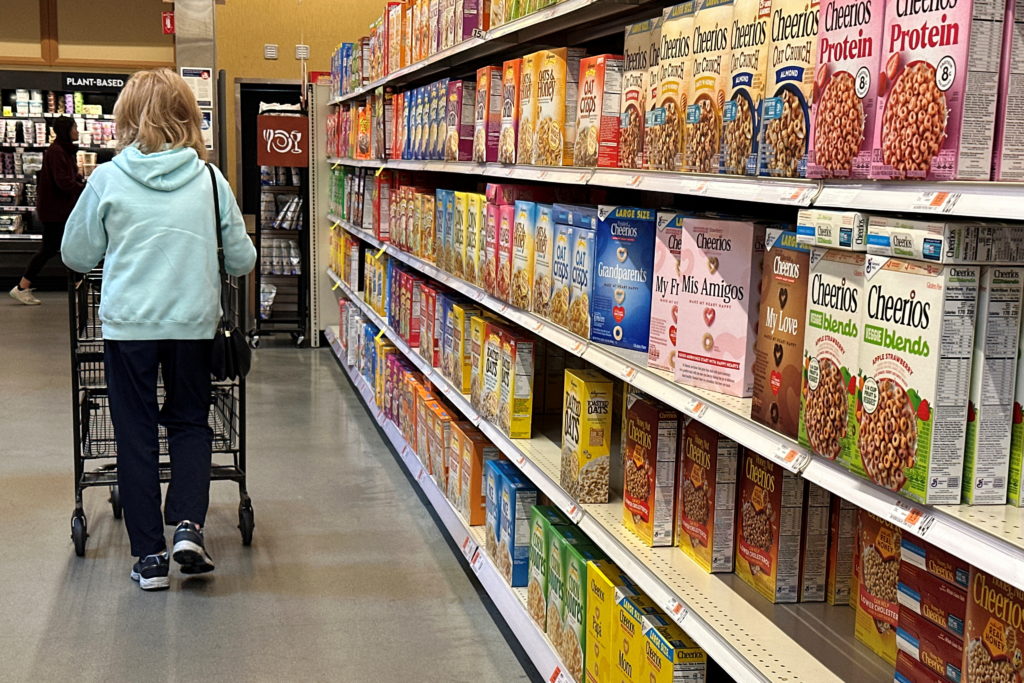
A recent study published in the journal Clinical Nutrition highlights the positive effects of reducing ultraprocessed food consumption in older adults. The research suggests that this dietary change can lead to improved appetite regulation and metabolic health.
Read More
Ultraprocessed foods, often made with artificial additives and not typically prepared at home, include products like packaged snacks and ready-to-eat meals. Previous studies have indicated a link between high consumption of these foods and negative health outcomes.
The study involved 43 American participants aged 65 and older, many of whom were overweight or had metabolic issues like insulin resistance or high cholesterol. Participants followed two different diets low in ultraprocessed foods for eight weeks each: one that included lean red meat and another that was vegetarian, including milk and eggs. They returned to their regular diets for a two-week period in between.
Both diets limited ultraprocessed foods to less than 15% of total caloric intake, a significant decrease from the typical American diet, where over 50% of calories often come from ultraprocessed foods. Participants were provided with all meals and snacks, focusing on minimally processed ingredients while adhering to the 2020-2025 Dietary Guidelines for Americans.
The study showed that participants naturally consumed fewer calories and lost weight during the low ultraprocessed food periods, resulting in decreases in both total body and abdominal fat. Additionally, they exhibited improvements in insulin sensitivity, cholesterol levels, inflammation markers, and hormonal regulation of appetite and metabolism, regardless of which diet they followed.
With ultraprocessed foods comprising more than half of the average U.S. diet, the findings underscore the importance of dietary quality, especially for older adults. As this population grows, strategies to maintain metabolic health could enhance aging.
Earlier studies on ultraprocessed foods have often lacked real-world applicability, usually comparing extreme diets. This study, however, simulates realistic eating habits while effectively tracking food intake. It is the first to demonstrate that practical reductions in ultraprocessed food consumption can yield measurable health benefits beyond weight loss, which is especially crucial for maintaining mobility and independence in older adults.
However, the study was small and cannot yet determine if the observed metabolic improvements will prevent or delay chronic diseases like diabetes or heart disease over time. Further research with larger groups is required to explore these questions more thoroughly. Additionally, it remains uncertain whether individuals can reduce ultraprocessed food consumption in their daily lives without structured support, and which specific elements of processing have the most significant health impacts.
The research provides insights that could guide food manufacturers in creating healthier yet convenient food options, thus making it easier for consumers to make healthier choices.