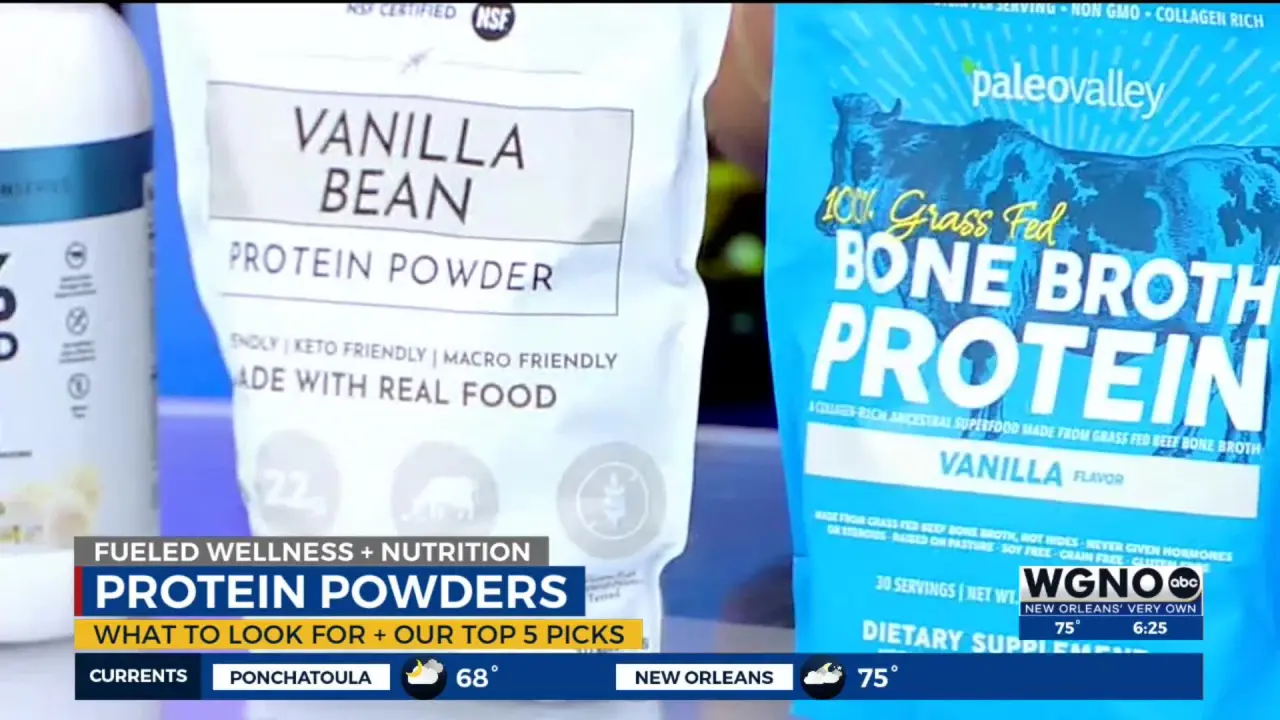
Protein powders have gained popularity as a convenient means to supplement dietary protein intake, particularly for those on the go or who find it challenging to consume enough protein through whole foods alone. Nutrition experts Molly Kimball and Carrigan Chauvin discuss the significance of protein, recommend a daily intake, and highlight five protein powders that stand out for their quality and transparency.
Read More
Protein plays a crucial role in providing essential amino acids necessary for muscle maintenance, immune function, tissue repair, and the production of hormones and enzymes. As people age, the importance of maintaining muscle mass and strength becomes increasingly vital.
Adults should aim for about 0.5 to 1 gram of protein per pound of healthy body weight each day, depending on factors such as age, physical activity, and overall health. For a person weighing 150 pounds, that amounts to roughly 75 to 150 grams of protein daily, ideally distributed throughout meals, with 25–40 grams per meal being a good target.
When choosing a protein powder, consider the following:
- Aim for a product with 20–30 grams of protein per serving and minimal sugar.
- Select a high-quality protein source that includes all nine essential amino acids.
- Look for third-party testing for an additional assurance of quality, particularly for competitive athletes.
Here are five recommended protein powders:
1. **Whey Isolate | Transparent Labs 100% Grass-Fed Whey Protein Isolate**
- Nutritional Info: 130 calories, 0.5 grams fat, 1 gram carbohydrate, 0 grams fiber, 1 gram sugar, 28 grams protein.
- Key Features: Made from grass-fed whey protein isolate, this powder boasts a short ingredient list and offers a concentrated source of protein.
2. **Whey, Collagen + Pea Blend | Just Ingredients Protein Powder**
- Nutritional Info: 140 calories, 6 grams fat, 5 grams carbohydrate, 2 grams fiber, 2 grams sugar, 22 grams protein.
- Key Features: A blend of whey, plant proteins, and collagen, featuring organic ingredients and third-party testing.
3. **Bone Broth Protein | Paleovalley Grass Fed Bone Broth Protein**
- Nutritional Info: 80 calories, 2 grams fat, <1 gram carbohydrate, 0 grams fiber, 0 grams sugar, 13 grams protein.
- Key Features: Offers a dairy-free and gluten-free option with nutrients from beef bone broth, providing collagen-rich protein.
4. **Egg White | Julian Bakery Egg White Protein**
- Nutritional Info: 100 calories, 0.5 grams fat, 3 grams carbohydrate, 0 grams fiber, 0 grams sugar, 22 grams protein.
- Key Features: Composed of just egg white protein and natural flavors, making it a good choice for those avoiding dairy.
5. **Plant-Based | Thorne Plant Protein**
- Nutritional Info: 130 calories, 3.5 grams fat, 4 grams carbohydrate, 2 grams fiber, 0 grams added sugar, 22 grams protein.
- Key Features: Combines pea, brown rice, and chia proteins to ensure a complete amino acid profile in a vegan formula and is NSF Certified for Sport.
It is important to note that while bone broth and collagen proteins can complement a diet, they do not provide a complete protein source like whey, egg white, or a complete plant protein blend. Therefore, they should be considered alongside other protein sources rather than as substitutes.
Ultimately, no single protein powder is suitable for everyone. Protein powders serve as supplements to enhance the overall protein intake from the diet, supporting efforts to build and maintain muscle through balanced nutrition and exercise.
Molly Kimball, RD, CSSD, is a registered dietitian based in New Orleans and the founder of the Ochsner Eat Fit nonprofit initiative.