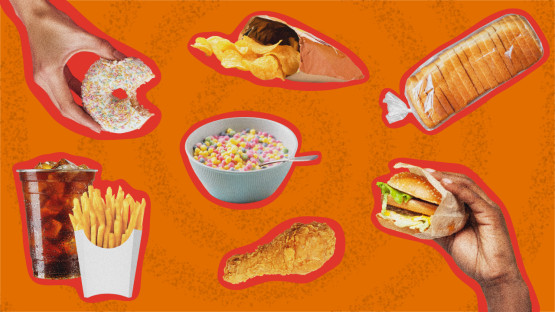
Research conducted at Cornell University reveals a broad consensus among Americans across political affiliations on the dangers of ultraprocessed foods, which include sugary drinks, processed meats, and prepackaged baked goods. The study surveyed 2,000 U.S. adults and found that over 60% view these foods as addictive and significant contributors to obesity, Type 2 diabetes, and heart disease.
Read More
While the health risks of ultraprocessed foods were perceived as less severe than those of cigarettes, respondents ranked them similar to alcohol and more harmful than fast food or cannabis. The findings indicate a rare bipartisan agreement on the need for policy interventions to curb ultraprocessed food consumption.
Jeff Niederdeppe, a professor at Cornell, emphasized the convergence of public awareness, bipartisan support, and scientific findings as a pivotal moment for policy change. He highlighted the general public's readiness for stricter regulations, which could include testing food additives and restricting marketing practices.
The study, published in the American Journal of Public Health, also revealed that 58% of Americans had heard of ultraprocessed foods, although only about a third felt confident explaining what they were. Nearly 70% believe these foods are addictive, with some linking them to negative mental health outcomes. Cynicism towards the ultraprocessed food industry was prevalent, with many respondents believing that products are designed to promote overconsumption, particularly among children.
Support for governmental action was strong, with more than 80% of respondents in favor of requiring safety testing for food additives. Two-thirds supported national education campaigns, advertising restrictions aimed at children, bans on artificial dyes, and warning labels. The bipartisan nature of these views is significant, as previous discussions surrounding obesity and food policy often polarized along ideological lines.
The researchers noted a shift in public perception, suggesting that Americans increasingly recognize the influence of corporate practices over individual choices. This marks a departure from past debates where personal freedom was a primary concern. The parallels to tobacco control are striking, and the study authors believe that public backing could drive meaningful reform in food policy, challenging the food industry akin to past efforts against tobacco marketing.
Funding for this research was provided by the Dohmen Company Foundation, which focuses on combating diet-related diseases.