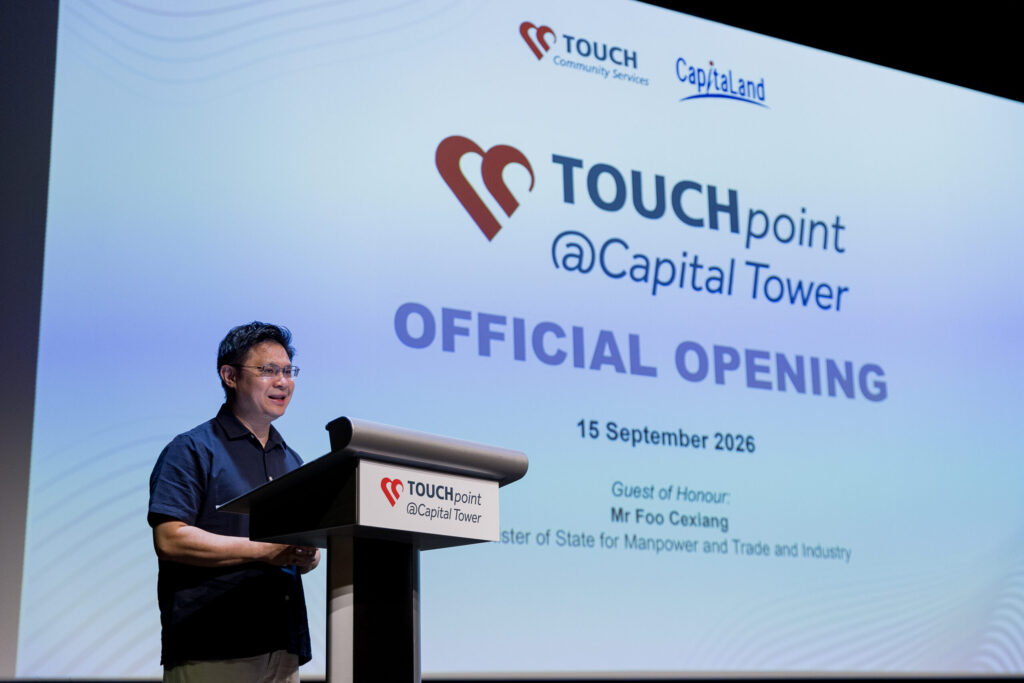
Foo Cexiang, Minister of State for Manpower and Trade and Industry, inaugurated TOUCHpoint@Capital Tower, described as Singapore’s first integrated workplace wellness centre in the central business district.
Read More
When managers find out an employee is dealing with a mental health condition, they may respond by reducing their workload, assigning less demanding tasks, or reallocating responsibilities to others. Andrea Chan, Group Head of TOUCH Counselling and Psychological Services and a representative of Beyond the Label, points out that while the intent is protective, it can lead to unintended consequences. “Even well-intentioned managers may sometimes become overly cautious due to concerns for an employee’s well-being, inadvertently limiting opportunities or reinforcing perceptions of diminished capability,” she notes.
This cautious approach affects how work is distributed: it can influence whether employees are given substantial responsibilities, considered for new projects, included in development opportunities, or assessed fairly for promotions. Chan emphasizes that trust is built cumulatively and goes beyond an initial disclosure of a mental health condition. Some employees may quickly adjust, while others will continuously seek reassurances about their value and future prospects.
Chan advocates for procedural changes, suggesting that decisions related to development and advancement should be based on employees' abilities and performance, with discussions held openly rather than making assumptions on their behalf.
The decision to disclose a mental health condition can be burdensome for employees. Chan explains that fear of stigma and concerns about how they might be perceived can weigh heavily on individuals. This stress appears at the onset of employment and persists even after hiring. Formal support systems do not fully alleviate these concerns, as employees may still worry about being stereotyped or uncertain about how these policies will work in practice.
Although familiarity with the workplace can alleviate some anxiety, Chan notes that the underlying fear often remains. She praises the growing availability of wellness programs, such as mental health leave and counselling, but warns against a one-size-fits-all approach, emphasizing the need for tailored support.
Employers should prioritize confidentiality and assure employees that seeking help will not impact their standings. Practical adjustments like flexible work arrangements and clear access to mental health resources can make a significant difference.
On this year’s World Mental Health Day, which emphasized the importance of recognizing lived experiences, Chan stressed that individuals with mental health conditions want to be seen as people first, rather than as their diagnoses. They seek growth and contribution while hoping their leaders remain understanding during challenging moments.
Recognizing the emotional weight of asking for help is also crucial. Chan notes that what employees often need is reassurance of accessible support without fear of judgment.
TOUCHpoint@Capital Tower, launched on 15 September in collaboration with CapitaLand, aims to address these needs. The centre offers mental, physical, and digital wellness services under one roof for employees and their families. Services include counselling, mindfulness clinics, art therapy, and physiotherapy, supported by the CapitaLand Hope Foundation.
James Tan, CEO of TOUCH Community Services, explained that many working adults postpone their well-being because they lack time or knowledge about available resources. The aim of the centre is to make professional support accessible during work hours.
Research indicates a significant need for such services: a 2025 study found that 26% of adults in Singapore experience mild depressive or anxiety symptoms, while a 2024 survey indicated that 67% of employees reported burnout.
Chan observes a shift in organizational focus from merely implementing policies to fostering caring workplace relationships. This trend will be highlighted at this year’s BTL Fest from 23 to 25 October, themed around the idea that mental wellness begins with collective effort.