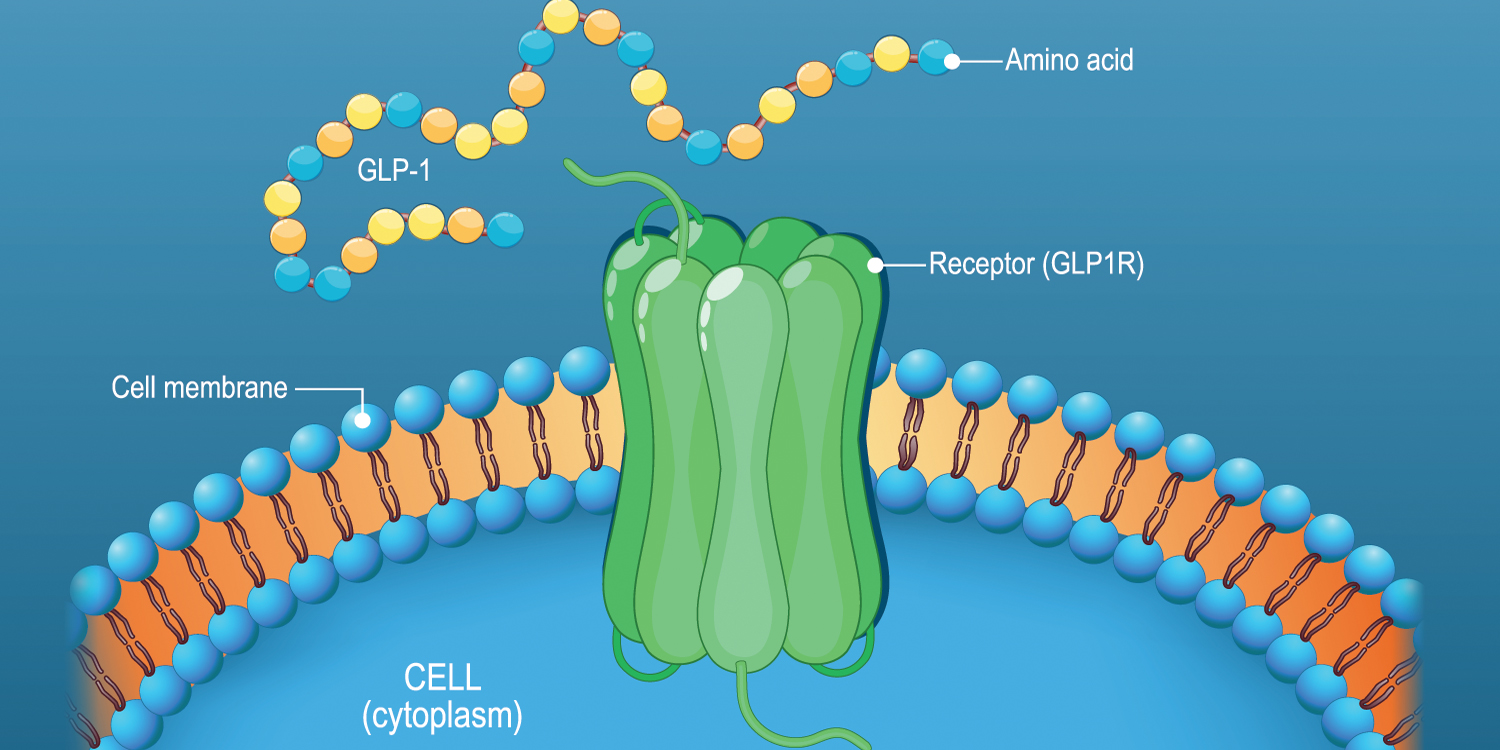
A recent study has found that activating the GLP-1 receptor, the target of several weight-loss and diabetes medications, is linked to improved mental health and a reduced risk of disorders such as depression and bipolar disorder. This research, published in Translational Psychiatry, underscores potential psychiatric benefits that extend beyond mere weight loss.
Read More
The GLP-1 receptor is present in various body regions, including the pancreas and brain. When activated, it regulates blood sugar and sends signals of fullness to the brain, thereby decreasing appetite. Medications known as GLP-1 receptor agonists, widely used to treat type 2 diabetes and obesity, have triggered interest in their effects on mental health due to their action on the central nervous system.
Early research hinted at mental health benefits associated with GLP-1 medications. In 2016, a study indicated that liraglutide, a GLP-1 drug, improved cognitive issues in patients with mood disorders. Subsequent studies in 2017 and a review in 2023 reinforced the findings, showing that GLP-1 treatments could alleviate depression symptoms.
In light of these observations, a team led by Guoyi Yang from the University of Pennsylvania conducted a comprehensive genetic study to assess the direct effects of GLP-1 receptor activation on mental health, rather than attributing improvements solely to weight loss.
Yang noted the dual concerns surrounding GLP-1 receptor agonists, highlighting both the significant mental health benefits observed in clinical trials and worries about increased risks of suicidal thoughts in some patients. The research sought to clarify the psychiatric effects of these medications by leveraging genetic variants as proxies for GLP-1 receptor activation.
The researchers employed Mendelian randomization to analyze how genetic variations affecting GLP-1 receptor activity correlated with mental health outcomes. They specifically examined two sets of genetic variants: those linked to lower body mass index (BMI) and those associated with reduced glycated hemoglobin (HbA1c) levels, a marker for blood sugar control. Using data from genetic databases like the UK Biobank, the team evaluated correlations between these variants and various mental health metrics.
Their analysis encompassed general well-being indicators, recognized mental health disorders, and the risk of substance use disorders. To validate their findings, they contrasted the effects of GLP-1 variants with general genetic variants simply lowering body weight or blood sugar.
The results indicated that genetically indicated GLP-1 receptor activation, particularly through the BMI pathway, was associated with significant improvements in mental health. Specifically, a 1-kilogram per square meter decrease in BMI linked to GLP-1 receptor activation correlated with a 0.06 standard deviation increase in overall mental well-being, translating to heightened life satisfaction and decreased neuroticism and depressive symptoms.
Additionally, the study revealed that this receptor activation was associated with a 39% lower risk of bipolar disorder and an 18% decrease in the risk of major depressive disorder. The findings also suggested that GLP-1 activation might reduce the risk of conditions like ADHD and postpartum depression.
The evidence suggests that the mental health benefits attributed to GLP-1 receptor activation are not entirely due to weight loss. Yang highlighted that these benefits may reflect the receptor's direct activity in the brain, potentially influencing stress responses and neuroinflammation. Interestingly, genetic variants mimicking blood-sugar-lowering effects did not exhibit similar mental health advantages.
The study's conclusions align with previous research that found no increased risk for major psychiatric disorders associated with GLP-1 medications, alleviating initial concerns about their use.
However, the researchers cautioned that the Mendelian randomization approach carries certain limitations. While they aimed to isolate the effects of GLP-1 receptor activation, it remains possible that neighboring genetic pathways could also influence mental health outcomes. They emphasized the need for clinical trials to ascertain whether these psychiatric benefits are directly translatable to patients using GLP-1 medications.
The researchers plan to further explore the biological mechanisms underlying the observed psychiatric effects and aim to identify new genetically validated drug targets for various diseases, including cardiovascular and metabolic conditions. The work is documented in the study titled "Glucagon-like peptide-1 receptor activation and mental health: a drug-target Mendelian randomization study," authored by Guoyi Yang, Stephen Burgess, and C. Mary Schooling.