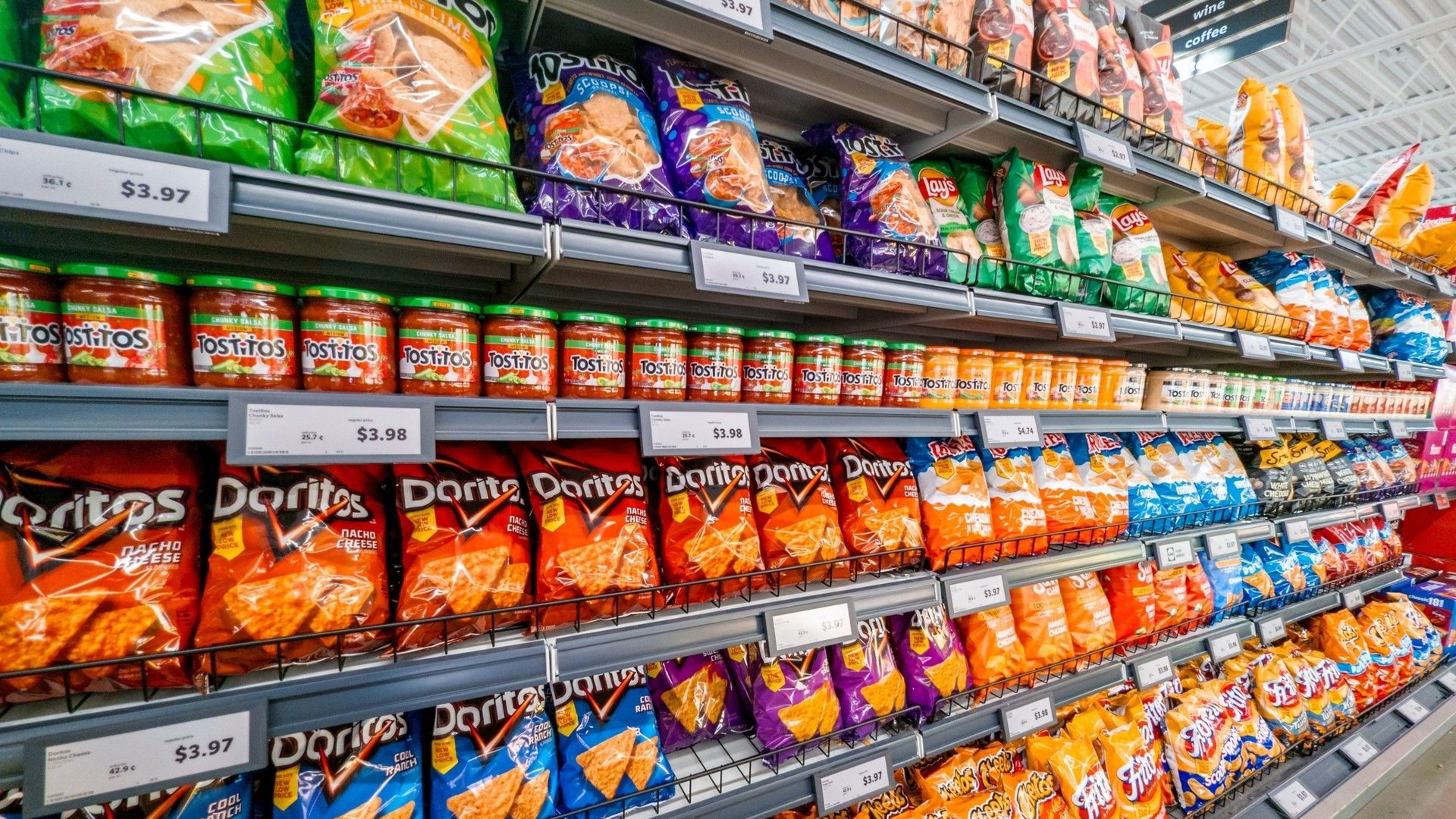
A recent small trial found that adults with depression exhibited lower scores on three depression assessment scales after a month of consuming minimal ultra-processed foods compared to their typical diets. Previous research has linked high consumption of ultra-processed foods to an increased risk of depression, but this new study is the first to explore whether reducing such foods can help those already experiencing depression.
Read More
The trial involved 20 participants, all of whom had depression and reported high intake of ultra-processed foods according to a short diet questionnaire. The average age of the group was approximately 44 years, with 14 of the 20 being women. Participants had typically lived with depression for around 13 years and many also had additional health issues such as high blood pressure, diabetes, or unhealthy cholesterol levels.
Half of the participants followed a strict low ultra-processed food diet for four weeks, while the other half maintained their usual diets. After this period, the groups switched diets, with participants shopping for their own food under the researchers' guidance. Thirteen of the volunteers were on psychiatric medication, and nine were undergoing therapy. All agreed to keep their medications and therapy consistent throughout the study.
Nineteen out of the 20 volunteers completed the trial. On the diet questionnaire, their scores dropped significantly from about 10 to approximately 1.4, a reduction of over 85%. Depression scores, measured on a 27-point scale, decreased from an average of 12.8 at the beginning to 5.5 after the low ultra-processed food month and 8.7 after the usual-diet month, indicating a further decline in scores following the low ultra-processed diet. On another clinician-scored 60-point scale, the average score fell from 22 initially to 8 after the low ultra-processed month, while the usual diet month resulted in an average score of 19.
Participants also reported lower anxiety scores after the ultra-processed food reduction, with no harmful side effects noted. However, while volunteers rated the new eating plan as useful, they found it challenging to maintain. Nyasha Chagwedera, the lead author and an assistant professor at the University of California, San Francisco (UCSF), emphasized that ultra-processed foods are highly appealing due to their convenience and taste.
Chagwedera proposed a possible connection between diet and mood through gut health, suggesting that ultra-processed foods might damage the gut lining, leading to chronic inflammation and increasing vulnerability to depression. However, the trial did not measure gut health or inflammation, leaving this explanation theoretical.
The primary goal of the trial was to determine the feasibility of such dietary changes for individuals with depression, with the results regarding mood being labeled as exploratory. The researchers acknowledged limitations, including the self-reported nature of dietary adherence and the specific population studied, which included only individuals with both depression and excess weight.
Andrew Krystal, a senior author and professor of psychiatry and neurology at UCSF, noted that the pilot study successfully established the groundwork for larger trials. The team intends to conduct broader studies to objectively assess dietary intake and further investigate the biological mechanisms behind any mood changes. They expect to begin enrolling participants for the next phase by 2028. The study findings have been published in JAMA Psychiatry.