Alcohol consumption is a significant aspect of American society, but increasing awareness of its health implications is shifting public perception about drinking.
Read More
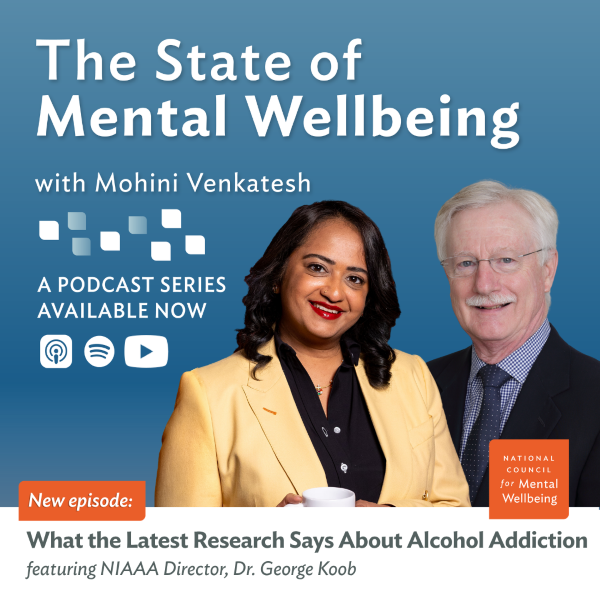
In the latest episode of The State of Mental Wellbeing, host Mohini Venkatesh interviews Dr. George Koob, who discusses current trends in alcohol use, emerging research, and strategies for enhancing prevention and treatment. Their conversation emphasizes the collaboration needed between researchers and healthcare providers to translate scientific advances into better care.
Dr. Koob outlines key insights for listeners, including:
- Changes in alcohol use patterns across different age groups and demographics.
- The effects of alcohol consumption on the brain and emotional health.
- The necessity for systemic alcohol screening in healthcare settings.
- The implications of recent research on treatment options for alcohol use disorder.
- The importance of partnerships between researchers and healthcare providers to enhance care delivery.
As Dr. Koob points out, alcohol use trends contain both positive and negative aspects. While underage drinking has significantly declined over the past 25 years, particularly among Generation Z, alcohol use disorder remains a pressing issue, affecting millions annually. Notably, the demographic of peak drinkers is shifting from the 18–24 age group to individuals aged 26–34.
Another critical trend involves gender differences in alcohol impact. Evidence suggests that women face more severe health effects from alcohol consumption than men, including increased risk for liver disease and heightened anxiety and depression. Binge drinking rates among younger women and increased consumption among older adults further highlight the need for a comprehensive understanding of alcohol use across age spans.
Dr. Koob advocates for routine alcohol screening in healthcare, akin to blood pressure checks, as a meaningful intervention to identify potential alcohol-related health issues early. He points out that alcohol use can exacerbate various health conditions—including liver disease and hypertension—yet systematic screening often falls short of connecting patients with necessary interventions.
Emerging treatment research shows promise for alcohol use disorder management. Dr. Koob mentions initial studies on GLP-1 agonists, which indicate a reduction in alcohol cravings and consumption. However, he emphasizes the need for continued investigation into the most beneficial applications of these developments and their enduring effects on brain health.
The discussion also underscores the importance of integrated care, where treatment for alcohol use disorder aligns with addressing related health issues, such as alcohol-related liver conditions. Effective communication and collaboration between researchers and treatment providers can enhance understanding of patients' real-world experiences and inform future research directions.
Dr. Koob illustrates the profound neurological impacts of chronic alcohol misuse, describing how it can lead to impaired decision-making and long-term changes in brain function. This understanding reframes addiction as a neurological disorder rather than a moral failing, helping to combat the stigma surrounding it. He stresses that recovery is attainable and that supportive social connections play a vital role in this process.
Dr. George Koob serves as the director of the National Institute on Alcohol Abuse and Alcoholism and leads research on addiction and its neurobiological underpinnings. His insights contribute significantly to the understanding of alcohol use disorder.
The full conversation offers additional insights and practical guidance for mental health professionals, researchers, and anyone interested in the evolving landscape of alcohol research and treatment.