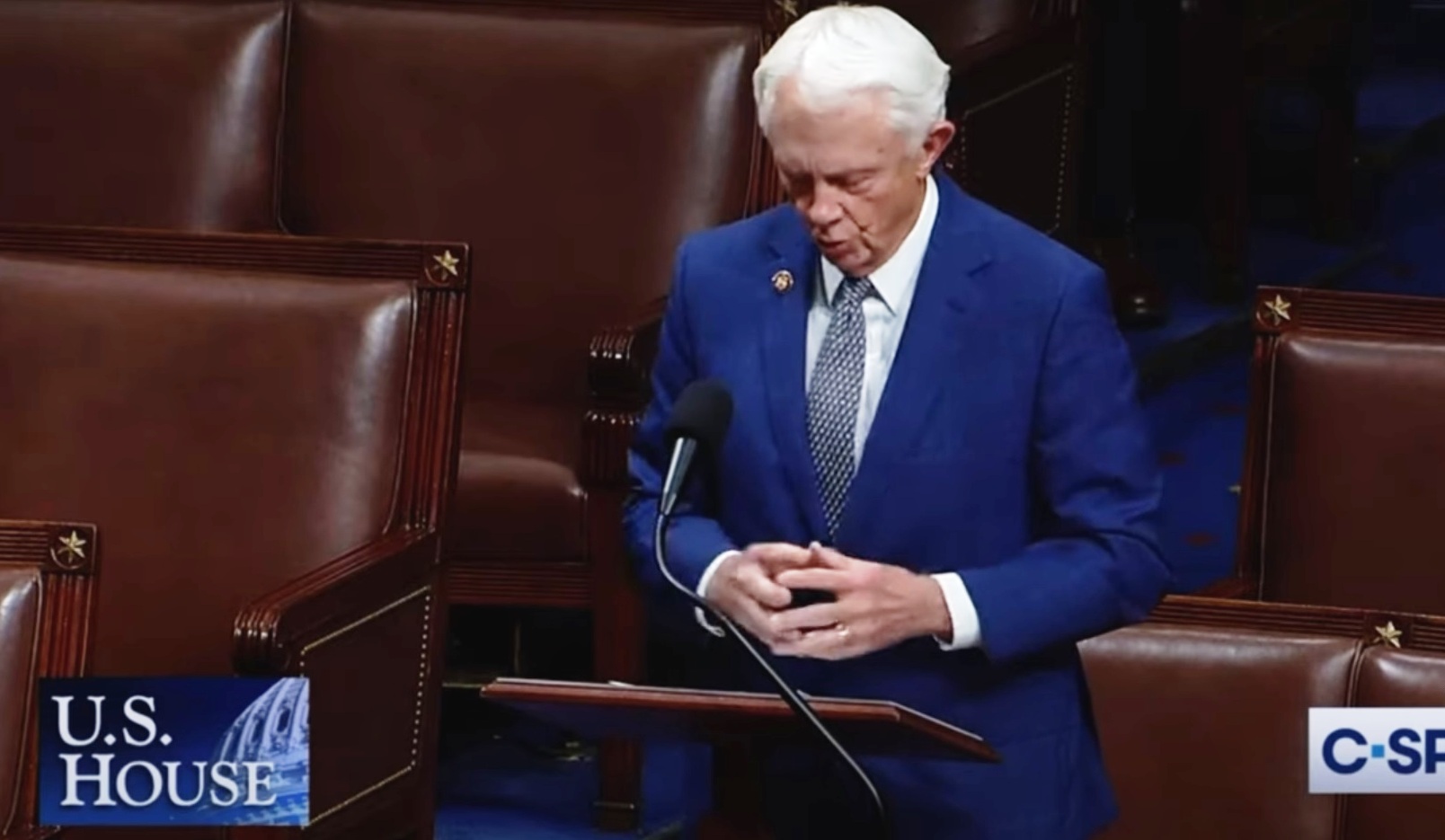
The Congressional Psychedelics Advancing Therapies (PATH) Caucus has published a report based on responses to a 2024 Request for Information regarding the integration of psychedelic-assisted therapy (PAT) into the United States healthcare system. Congressman Jack Bergman of Michigan's Upper Peninsula noted that the report highlights broad agreement among clinicians, researchers, Veteran advocates, Tribal leaders, payors, regulators, and patients about the potential of PAT to offer safe and evidence-based treatment options for various treatment-resistant conditions, including generalized anxiety disorder, depression, PTSD, and substance use disorder.
Read More
Congressman Bergman emphasized the importance of the report, stating, "This report is exactly the kind of resource Congress needs to legislate responsibly. Our Veterans have waited long enough for successful treatments and breakthrough therapies to help mitigate PTSD and other service-related conditions. It’s time to advance real, actionable policies that meet the unmet mental and physical health needs of Americans in every community."
Key findings from the report indicate that the U.S. is facing a severe mental and behavioral health crisis characterized by treatment-resistant depression, PTSD, suicidality, substance use disorder, and significant unmet needs among Veterans, terminally ill patients, minority groups, low-income families, seniors, and rural communities. The report stresses that novel and effective treatments are urgently required.
Clinical trial evidence presented in the report suggests that PAT may lead to significant improvements in PTSD, depression, end-of-life distress, addiction, and overall quality of life. However, it is not deemed a standalone solution and is recommended only in structured medical settings with supervision.
The report also emphasizes the necessity for national guidelines and credential verification systems prior to the first FDA approvals of prescription psychedelic medicines. Additionally, it calls for the establishment of evidence-based monitoring for adverse events and the development of ethical guidelines to ensure patient protection and maintain trust.
Policy recommendations outlined in the report urge federal agencies, including the FDA, U.S. National Institutes of Health, Substance Abuse and Mental Health Services Administration, Department of Homeland Security, Department of Veterans Affairs, Department of Defense, Drug Enforcement Administration, and Office of National Drug Control Policy, to collaborate with state regulators and Tribal Nations/Territories to create national guidelines for the ethical delivery of prescription psychedelic medicines.
The report suggests that federal agencies should also create flexible, tiered credentialing pathways to balance safety and accessibility, while standardizing consent and screening protocols. Additionally, it proposes a hybrid policy framework to assist Congress, federal agencies, Tribal Nations/Territories, states, and communities in responsibly implementing PAT, supported by coordinated leadership, flexible regulation, workforce investment, and comprehensive data systems.