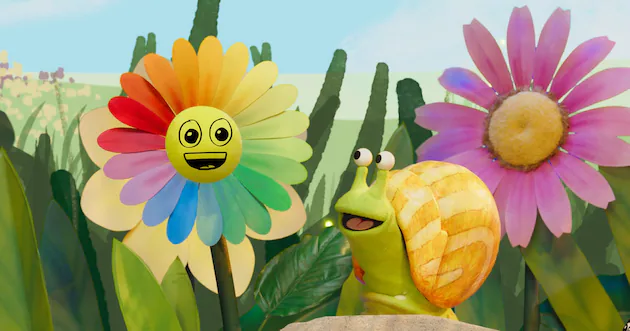
“Lulubug’s Garden,” a YouTube series produced in Utah, aims to make discussions about emotions and mental health accessible for children aged 3 to 5. The show stands out for its slow pace, soft colors, and simple, handmade sets, departing from the fast-paced nature of many contemporary children's programs. Creator Jil Hunter emphasizes that the series is designed to avoid creating dependency on screen time, stating, “We really don’t want to have kids addicted to our show.”
Read More
The series introduces young viewers to emotional concepts, helping them understand feelings like nervousness and optimism through engaging stories and songs. Techniques for emotional regulation, such as balloon breathing and counting to 10, are woven throughout the episodes. Hunter’s goal is to normalize discussions about feelings, thereby reducing stigma and equipping children with tools to cope with difficult situations later in life.
Hunter’s personal experiences with anxiety inform her mission. After experiencing severe anxiety postpartum, she faced misdiagnoses and struggles with her health. Finding help and support shifted her perspective, leading her to make a promise to help others who might feel hopeless. She began her journey by hosting classes on anxiety and depression, which eventually led to her collaboration with mental health advocate Christena Huntsman Durham.
Together, they developed “Lulubug’s Garden,” with support from the Huntsman Mental Health Institute. Child psychiatrist Karen Manotas emphasizes the importance of early mental health education, stating that many children admitted to psychiatric hospitals lack the vocabulary to express their feelings. She supports the show's goal to provide basic emotional skills before crises occur.
Research-based content forms the backbone of “Lulubug’s Garden,” and scripts are carefully crafted to ensure accuracy. Manotas appears in each episode to guide parents through a “Mental Health Moment,” explaining emotional and physiological responses to help families navigate feelings together.
Brigham Taylor, who transitioned from a long career at Disney to direct the series, shares a similar vision, believing that the show's calm approach enhances its accessibility and educational value. Although maintaining the show's mission amidst audience growth poses challenges, Hunter prioritizes the impact over viewership metrics, expressing hope that any child helped makes the project worthwhile.
With plans to produce 100 episodes and develop additional merchandise, Hunter is dedicated to fostering an environment where children feel comfortable discussing their emotions. Feedback from viewers indicates that children are becoming more open about their feelings, a testament to the show's influence on promoting emotional literacy and resilience.