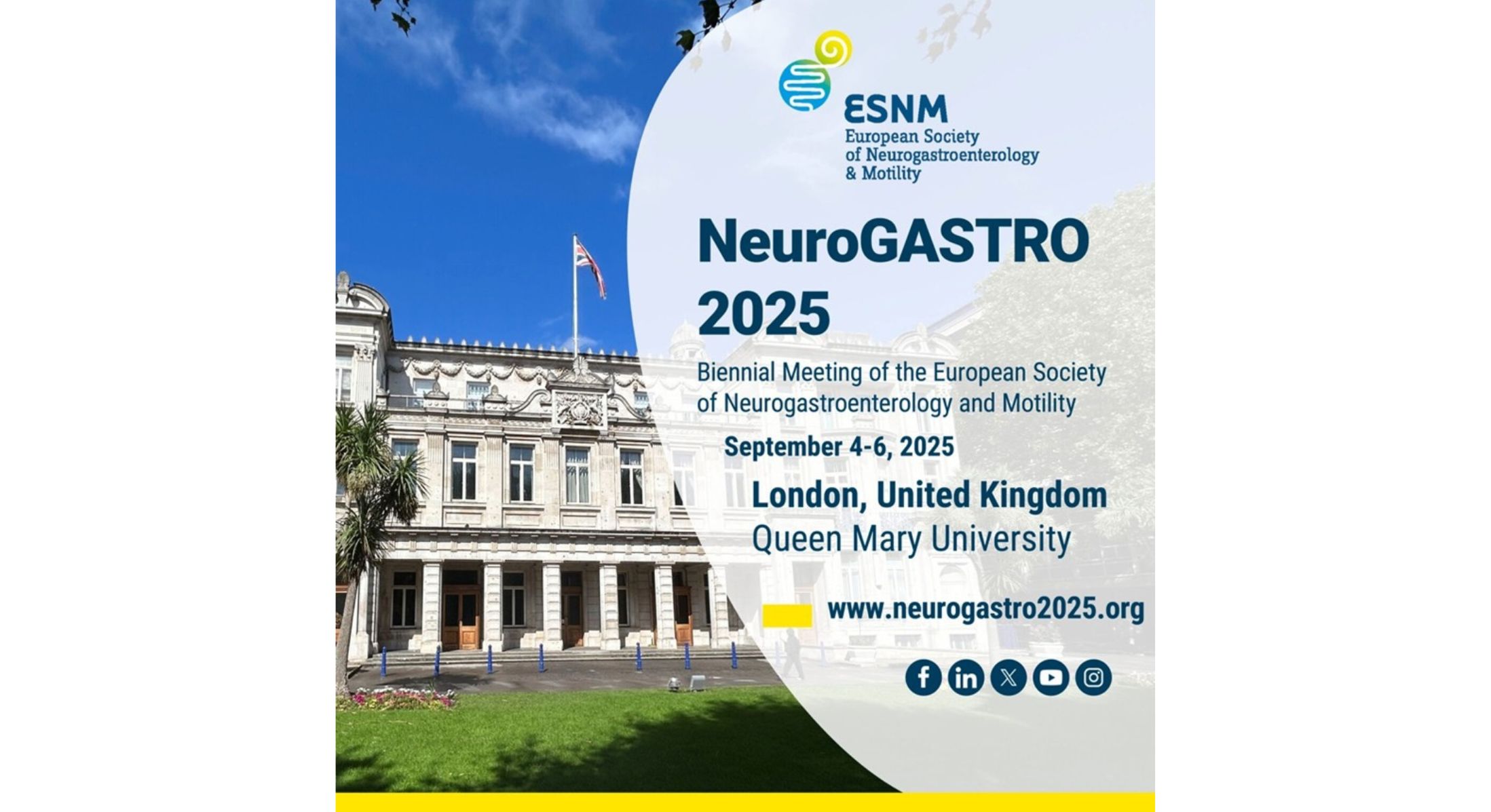
The 6th biennial meeting of the European Society of Neurogastroenterology and Motility took place at Queen Mary University of London from September 4-6, 2025. The conference highlighted advancements in neurogastroenterology, particularly focusing on dietary therapies and microbiome interventions for gastrointestinal disorders.
Read More
A significant symposium concentrated on the gut microbiome's development and its relationship with health and disease across various life stages. Cristina Campoy, PhD, MD, from the University of Granada discussed how the healthy human gut microbiome develops during the first five years of life. The COGNIS study indicated that infant formulas and complementary foods rich in bioactive compounds and human milk-derived probiotics might influence the microbiota-gut-brain axis. Aonghus Lavelle, PhD, from University College Cork emphasized the need to control for confounders such as transit time and horizontal microbiome transmission to enhance precision in research. He presented metrics, including the gut microbiota health index and GA-mapTM dysbiosis test, while noting that clinical applications of microbiome metrics are still in development.
Simone Guglielmetti, PhD, from University of Milano-Bicocca, examined pathways linking microbiome changes to aging, suggesting that a polyphenol-rich diet can reduce intestinal permeability and pro-inflammatory markers. She highlighted that the quality of the diet is crucial for healthy aging, regardless of caloric intake. Ruairi Robertson, PhD, from Queen Mary University of London shared unpublished data on the early-life microbiome in infants facing acute malnutrition in Zimbabwe and Zambia, indicating its role in long-term health outcomes.
The potential of the gut microbiome in treating conditions beyond gastrointestinal issues was also discussed. Siobhain M O’Mahony, PhD from University College Cork highlighted findings that 64% of women with endometriosis had infiltration of Fusobacterium nucleatum in the uterus, suggesting a role of the microbiome in managing this condition. Harriet Schellekens, BSc, MSc, PhD, also from University College Cork, presented data indicating the anti-obesity effects of Bifidobacterium longum APC1472 in overweight individuals.
The conference addressed the trend of 'gut health' claims and the need for a clear definition. Gerard Clarke, PhD, discussed the upcoming definition by the International Scientific Association for Probiotics and Prebiotics (ISAPP) and examined factors affecting gut health. Additionally, Genelle Lunken, PhD, RD, BSc, from the University of British Columbia, emphasized the influence of diet on probiotic efficacy.
Sarah Berry, PhD from King’s College London, delivered a keynote on personalized nutrition and its interaction with individual microbiome profiles, illustrating how personalized dietary interventions could significantly affect health outcomes. Eirini Dimidi, PhD, RD, from King’s College London, presented dietary guidelines for managing chronic constipation, citing effective foods and supplements. Joshua Reid, PhD, from the University of Nottingham, demonstrated how utilizing modified fiber gels can enhance tolerance for fermentable sugars in patients with gastrointestinal disorders.
The conference also highlighted challenges in dietary adherence for individuals with disorders of gut-brain interaction, as noted by Sanna Nybacka, PhD, RD. Discussions encompassed the implications of genetic factors on dietary response efficacy, underlining the importance of tailored dietary therapies.
NeuroGASTRO 2025 also featured poster sessions and awarded research in basic and clinical sciences. The next NeuroGASTRO meeting will be held in Leuven, Belgium, from July 8-10, 2027.