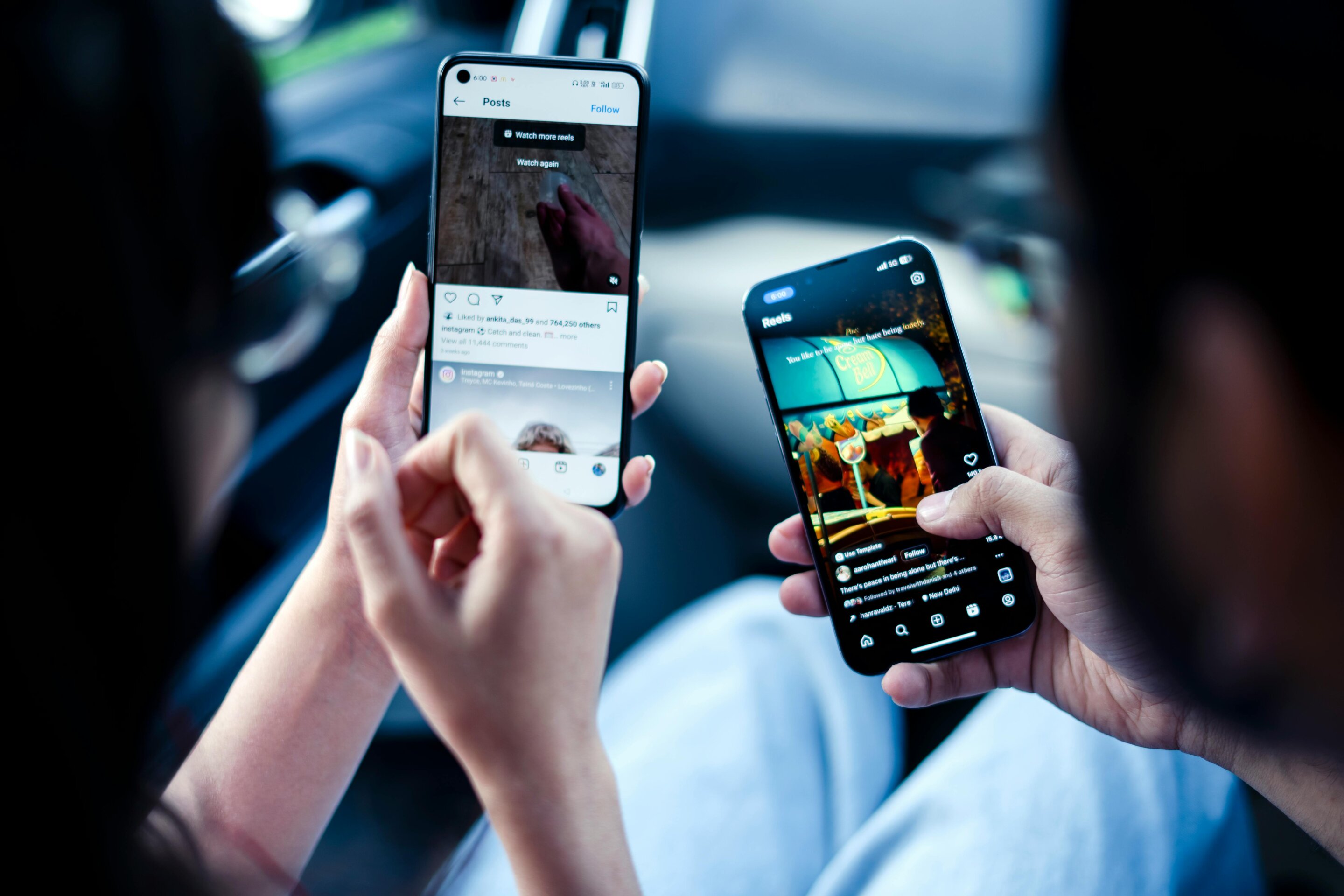
Researchers at Oregon State University have found that social media may not effectively replace the emotional support derived from in-person relationships. The study, published in the Journal of General Internal Medicine, explored the connections between social media-based emotional support, real-life emotional support, and feelings of loneliness. A second study in the Journal of Prevention investigated the effects of social media use shortly after waking on mental health.
Read More
These findings are particularly relevant following a 2023 U.S. surgeon general's report labeling loneliness and social isolation as an epidemic, conditions linked to various health issues including worse outcomes for cardiovascular disease, cancer, and stroke. The studies coincide with significant anniversaries in social media history, marking 20 years since both Twitter’s and Facebook’s public launch.
Both papers were supported by the National Institutes of Health and examined a nationally representative sample of 1,512 U.S. adults aged 30 to 70, who completed questionnaires in July and August 2023.
OSU's Brian Primack, a physician and researcher, stated, "While these findings don't mean that social media is inherently harmful, they indicate that we should use it thoughtfully, both personally and as a society."
Primack's team revealed a strong correlation between low real-life emotional support and increased odds of loneliness. Participants with low levels of real-life support were over eight times more likely to experience loneliness compared to those with high support levels. While low social media-based emotional support also correlated with loneliness, the association was significantly weaker. Geethika Koneru, the lead researcher, asserted that emotional support from social media pales in comparison to that derived from real-life interactions.
The second study highlighted the impact of social media use within the first 30 minutes of waking, which was strongly linked to depression. Hyosin "Dawn" Kim, who led this research, acknowledged the uncertainty regarding whether early social media use contributes to depression or vice versa.
These studies are part of a larger initiative examining how various patterns of social media use influence social connections and mental health. The research emphasizes the need to understand the role of social media among adult users, a group that has been relatively overlooked in favor of younger demographics, yet remains significantly affected by loneliness and depression.