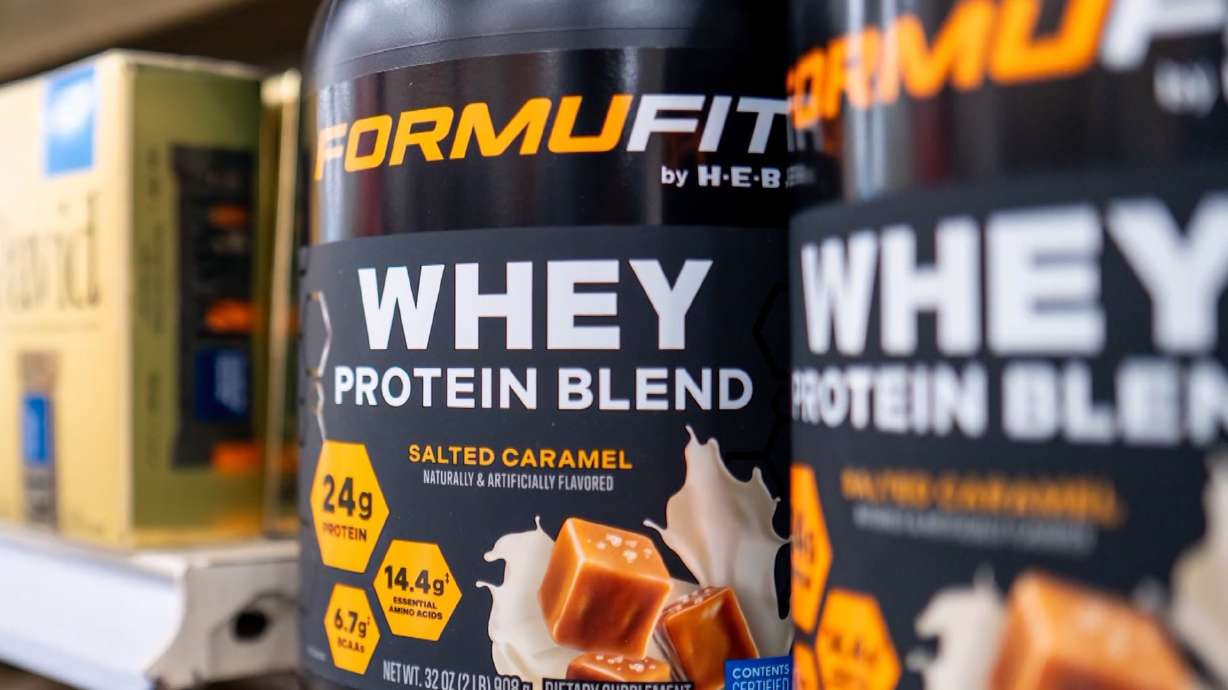
SALT LAKE CITY — The popularity of high-protein products such as shakes, bars, and even protein-infused water continues to grow. Renee Aker, a health and nutrition enthusiast, noted the abundance of these options, humorously referencing protein pretzels. Many are becoming more conscious of their protein intake; Timmy Jepsen mentioned aiming for at least 200 grams per day, equivalent to his body weight in grams.
Read More
Registered dietitian Sheila Patterson from Intermountain Health acknowledged the enormous protein industry but emphasized that individual protein requirements can differ widely. "It really is confusing seeing different people share, 'This is how much protein I eat in a day.' That might not be the right amount for another person," she said. Factors influencing protein needs include body weight, activity level, and specific health goals.
The Dietary Guidelines for Americans, 2025–2030, recommend a protein intake of 1.2 to 1.6 grams per kilogram of body weight daily. Patterson advises that spreading protein intake throughout the day, targeting 20 to 30 grams per meal, can be beneficial. For instance, two eggs provide about 14 grams of protein, and adding two pieces of lean chicken or turkey sausage brings the total to approximately 24 grams.
Patterson cautioned against excessive protein consumption in one sitting and highlighted the importance of a balanced diet. "What are we losing? Are we losing fiber? Are we not getting enough carbohydrate or healthy fats?" she asked. She discouraged the practice of consuming 50, 60, or 70 grams of protein all at once, suggesting instead to space out smaller servings throughout the day.
In discussing the necessity of protein shakes and bars, Patterson recommended focusing on whole food sources like beans, lentils, nuts, and lean meats. While shakes can be convenient for some, she stressed that they should not replace whole foods entirely. "As long as you're having them occasionally, not dependent on them and including a variety of protein sources, that's going to be the best way to handle it," she said.
Patterson noted that the increasing use of GLP-1 medications for weight loss could be contributing to heightened awareness around protein intake. For those on such medications, maintaining adequate protein is important for preserving lean muscle mass. Additionally, she advised that individuals using GLP-1 drugs also focus on consuming enough fiber, fruits, vegetables, carbohydrates, healthy fats, and fluids, especially since these medications may suppress appetite. Her overall recommendation is that while protein is crucial, achieving balance tailored to individual needs is essential.