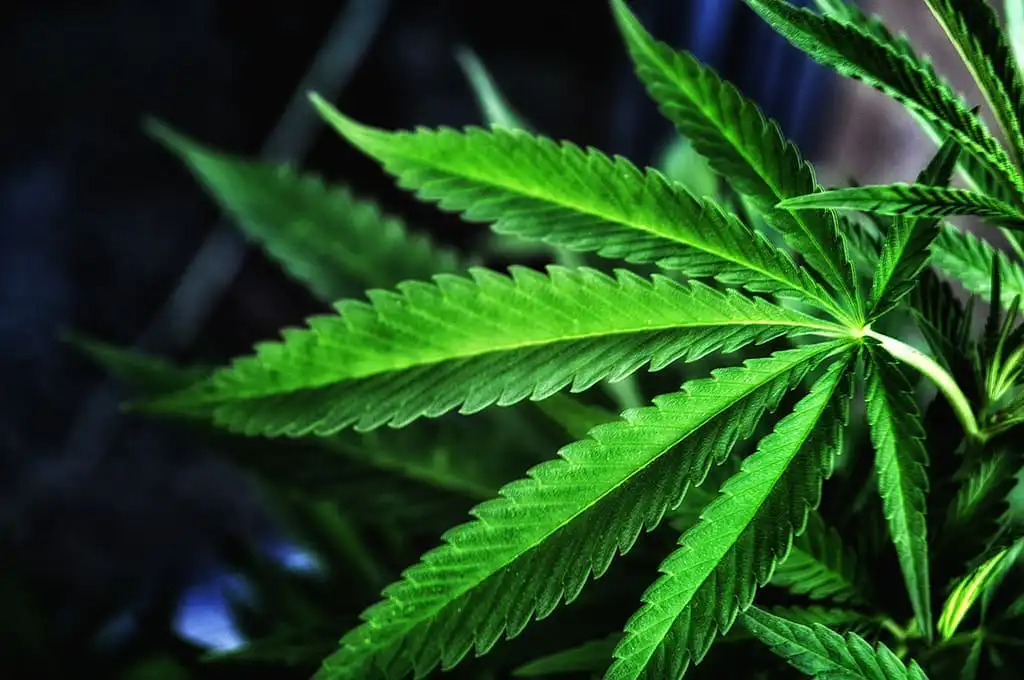
A new study from Minnesota has found that medical marijuana can help individuals with autism spectrum disorder (ASD) reduce symptoms of anxiety and depression. The research included 1,800 patients participating in the state's medical marijuana program, marking it as one of the largest studies on ASD and medical cannabis to date.
Read More
Among patients who reported moderate to severe anxiety upon joining the program, 57 percent achieved a reduction of 30 percent or more in their anxiety levels within four months of starting medical cannabis. This reduction was maintained by 67 percent of patients for an additional four months, according to self-report surveys.
The study also noted similar positive outcomes in other areas: 37.3 percent reported improvements in disturbed sleep, 34.4 percent noted reduced fatigue, and 41.3 percent experienced less depression.
In a summary conclusion, the study indicated that a number of patients with ASD reported clinically meaningful improvements across a range of symptoms that often accompany the condition, such as anxiety, depression, and sleep disturbances.
Patient testimonials highlighted the benefits of medical cannabis. One individual noted, "Medical cannabis has helped me deal with so many aspects of my disorder," while another said, "It feels like my autistic anxiety has calmed down a bit." Feedback also mentioned improvements in happiness and engagement in activities, along with a reduction in aggressive and self-injurious behaviors.
Eric Taubel, Executive Director of the Office of Cannabis Management (OCM), emphasized the importance of real-world data, stating, "This study demonstrates the value of listening to patients and using real-world data to better understand how medical cannabis may improve their quality of life." Taubel's comments pointed to the positive implications for individuals facing anxiety, depression, and sleep difficulties associated with autism.
Researchers did acknowledge limitations of the study, including the inability to compare effectiveness with a control or placebo group since all participants used medical marijuana. Additionally, the study lacked information on other medications used by patients and involved many individuals under 18 whose surveys were completed by caregivers.
Daren Howard, interim executive director of the Autism Society of Minnesota, expressed support for the findings, stating that they are hopeful about the reported reductions in anxiety and depression among their community. He regarded the study as a significant step toward informing the public and expanding access to supportive treatment options.
Previous studies in Minnesota have shown medical cannabis can significantly improve conditions for patients with various ailments, including cancer and chronic pain. In the past year, Minnesota's legal recreational cannabis market has generated over $250 million in sales.