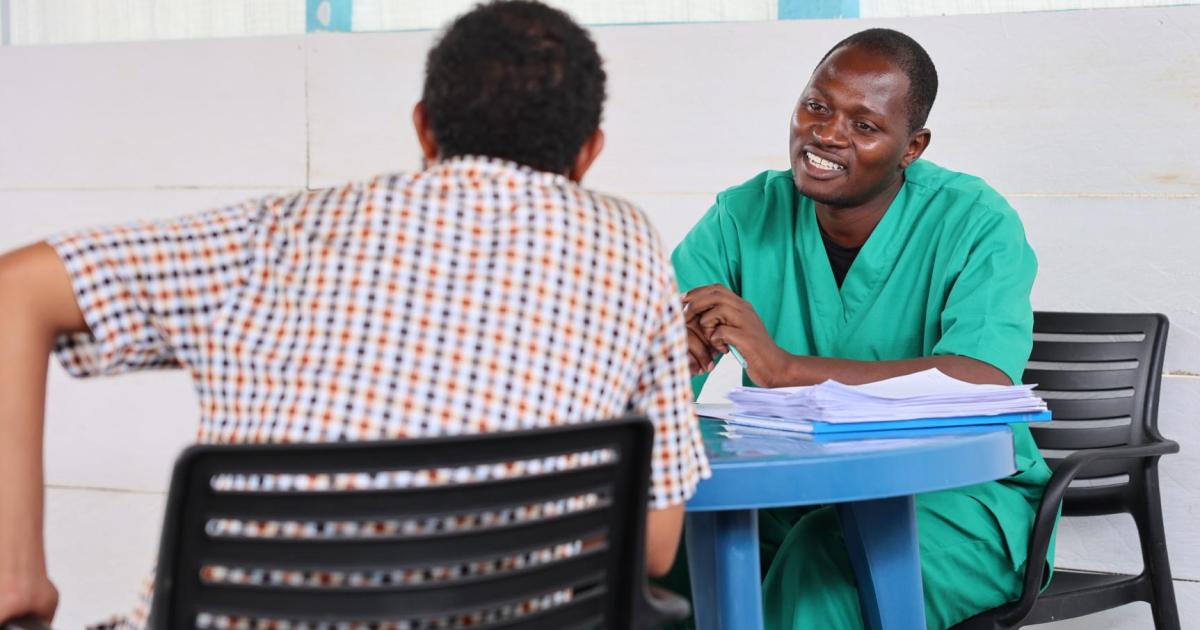
In Bunia, Democratic Republic of the Congo, Jean Vianney, 44, reflects on his experience after recovering from Ebola. Admitted to the Ebola Treatment Centre at the Evangelical Medical Centre, he initially felt hopeless upon being diagnosed with the disease while caring for a sick relative. As of October 7, 2026, the Ebola outbreak had recorded 8,787 cases, resulting in 4,242 confirmed deaths and 2,292 recoveries. Vianney's struggles illustrate the broader challenges faced by many affected individuals, including fear, isolation, and stigma.
Read More
The repercussions of Ebola extend beyond medical recovery, often impacting mental well-being. Survivors frequently confront anxiety, community rejection, and uncertainties about their futures. To address these psychological needs, the Ministry of Health has partnered with the World Health Organization (WHO) to incorporate mental health and psychosocial support at all stages of the Ebola response. This initiative targets patients, survivors, families, children separated from loved ones, and frontline workers, ensuring tailored psychological assistance.
During his treatment, Vianney experienced overwhelming fear and considered suicide. However, psychologists provided the support he needed to regain confidence and hope. "The psychologists helped me understand that I, too, could overcome this disease," he stated. Yet, recovery does not guarantee a return to normalcy. Dr. Huguette Mbuyi Musadi from the Ministry of Health underscores the importance of follow-up clinics, allowing survivors to discuss their challenges and access necessary support.
Many who have recovered still endure social difficulties, including mistrust among neighbors and feelings of isolation. To combat this, psychosocial teams promote community reintegration by facilitating visits, aiding families, and creating support networks.
The WHO has trained 193 community workers in psychological first aid and provided ongoing training for 64 psychologists in Ituri Province. The organization also deploys mental health specialists directly to treatment centers. Dr. Martial Vagheni Mumbéré, WHO's mental health lead for the Ebola response, emphasizes that addressing psychological distress is crucial, as fear and stigma amplify the emotional toll of the outbreak.
Support also extends to healthcare workers, who face significant emotional and physical challenges while combating the outbreak. Targeted stress relief activities aim to assist them in managing their burdens.
Overall, around 11,300 individuals have accessed mental health and psychosocial support services throughout treatment and transit centers. At the Bunia clinic, 318 Ebola survivors have benefited from psychological assistance. For those recovering from Ebola, these services offer not just medical follow-ups but also a community where they can share experiences and rebuild hope. Jully, an Ebola survivor and community mobilizer, expressed the importance of these connections, stating, "People who have recovered feel at home here. When we come together, we are truly a family."