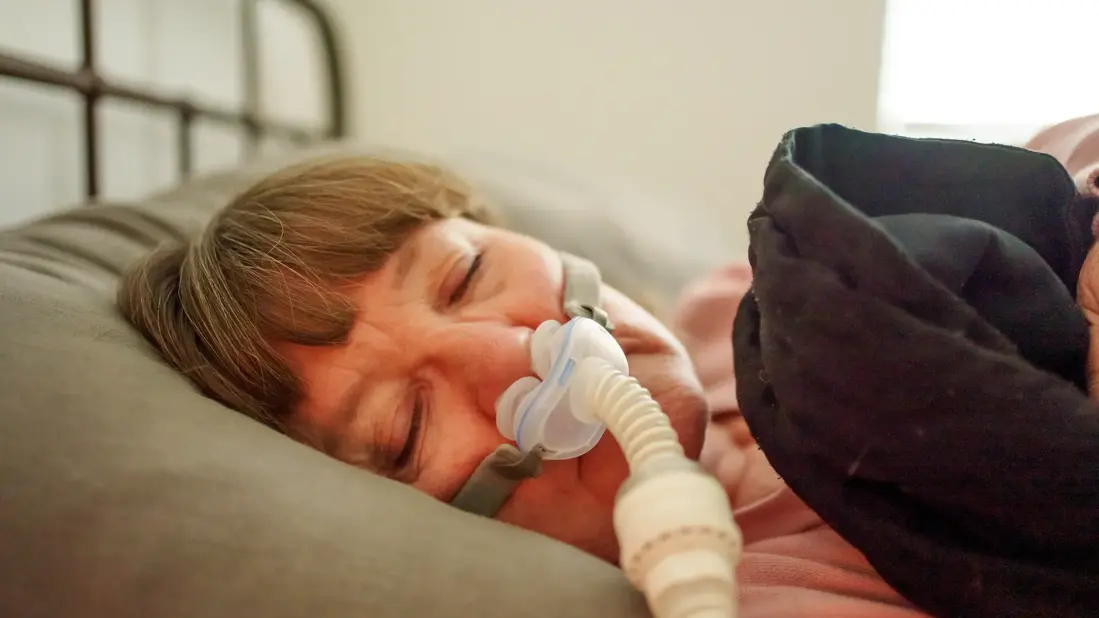
Sleep apnea, particularly obstructive sleep apnea (OSA), has a notable genetic component, according to sleep medicine specialist Dr. Cinthya Pena Orbea. She explains that genetic factors can considerably influence the likelihood of developing this disorder, with inherited traits accounting for 30% to 70% of OSA risk.
Read More
OSA is the most common form of sleep apnea, characterized by the airway becoming obstructed during sleep. In contrast, central sleep apnea, which is less frequent, does not have a genetic basis. Dr. Pena Orbea states that central sleep apnea often results from other medical conditions or medications that disrupt the brain's breathing signals.
Genetic influences on obstructive sleep apnea relate to several key risk factors, especially those affecting airway function during sleep. Body weight and fat distribution are significant, as genetics heavily influences obesity, a major risk factor for OSA. Dr. Pena Orbea points out that excess fatty tissue around the neck can narrow the airway, while abdominal fat can limit lung expansion. Studies show that individuals with obesity are over 10 times more likely to suffer from OSA; for instance, 70% of patients waiting for bariatric surgery were found to have OSA, with 40% classified as severe cases.
Craniofacial anatomy, which includes the skull and facial bone structure, also impacts OSA risk. Certain inherited features, such as a smaller jaw, high-arched palate, short neck, and narrow throat, may lead to a higher likelihood of airway obstruction during sleep.
The regulation of breathing by the brain can be affected by genetic factors as well, making some individuals more predisposed to airway collapse at night. Additionally, family history plays a role; individuals with relatives who have OSA face an elevated risk due to shared physical traits and health patterns. Research indicates that nearly 40% of the variability in a person's Apnea-Hypopnea Index (AHI) score can be attributed to familial factors.
Certain inherited conditions also increase the risk of OSA, including achondroplasia, Apert syndrome, congenital central hypoventilation syndrome, Crouzon syndrome, Down syndrome, Marfan syndrome, mucopolysaccharidosis (Type 1), Prader-Willi syndrome, and Rett syndrome.
While no single gene has been identified as causing sleep apnea, researchers have pinpointed groups of genes that may contribute to the condition. These genes influence body weight regulation, fat distribution, craniofacial development, upper airway control, and overall breathing management during sleep. Dr. Pena Orbea emphasizes that these genetic factors interact, making obstructive sleep apnea a complex condition rather than one caused by a single genetic mutation.
For those with a family history of sleep apnea, Dr. Pena Orbea notes that individuals are two to four times more likely to develop OSA if close relatives are affected, though this does not guarantee it will occur. Maintaining a healthy weight through regular exercise and balanced nutrition can mitigate these risks, despite the genetic predisposition.
Obesity is the most significant modifiable risk factor for OSA. Research indicates that a 20% reduction in body mass index correlates with a 57% decrease in AHI scores. However, achieving weight loss can be challenging, and a healthcare provider can help create a personalized plan that may include dietary changes, exercise programs, medications, and bariatric surgery.
Despite the hereditary aspects of obstructive sleep apnea, lifestyle modifications can often lower risk and enhance health. Dr. Pena Orbea encourages individuals with a family history of OSA to consult healthcare providers about managing risks, recognizing symptoms, and whether evaluation for sleep apnea is warranted.