The Research Topic is currently accepting submissions of articles related to dietary fibers derived from food by-products. The deadline for manuscript submission is April 30, 2027.
Read More
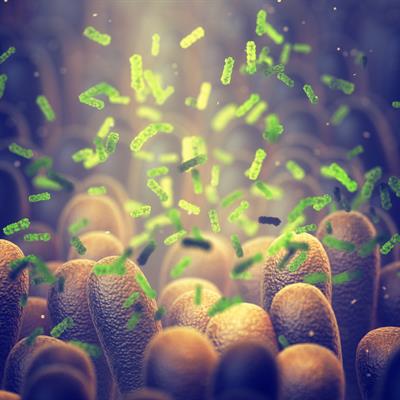
As sustainable food systems gain importance, there is a growing focus on utilizing agro-industrial by-products to obtain high-value functional ingredients. Dietary fibers sourced from residues of fruits, vegetables, cereals, and legumes have shown potential in enhancing environmental sustainability and promoting human health. Traditionally linked to digestive regularity, these fibers now demonstrate far-reaching biological effects, influencing gut microbial ecology and metabolism.
Despite this knowledge, the mechanisms through which the fine structure of dietary fibers affects microbial fermentation and health outcomes are not yet fully understood. This Research Topic seeks to enhance understanding of how dietary fibers impact gut microbiota composition, the metabolic output from microbial communities, and overall host physiology. The central scientific inquiry is how various structural and physicochemical properties of dietary fibers, such as monosaccharide composition and solubility, determine microbial responses and health effects.
The investigation will integrate disciplines including food chemistry, microbial ecology, nutritional science, and systems biology to uncover structure-function relationships relevant for developing next-generation functional ingredients. Recent advancements in multi-omics technologies and human intervention studies present new avenues to explore the interactions between dietary fibers, gut microbiota, and host physiology. Areas of emphasis will include specific microbial fermentation pathways, the production of short-chain fatty acids, modulation of gut barrier functions, immune regulation, and cardiometabolic health.
Contributions to this Research Topic are expected to cover: innovative recovery and processing techniques for dietary fibers, detailed structural characterization of fiber substrates, dynamics of microbial fermentation, production and effects of microbial metabolites, as well as various studies—animal and human—addressing health outcomes. The topic encourages multidisciplinary studies linked to the sustainability of dietary fiber valorization and personalized nutrition based on individual variations in microbiome composition.
Article types accepted include Brief Research Reports, Clinical Trials, Editorials, and more, following rigorous peer review. Publishing fees apply to accepted manuscripts. All submissions must align with the journal's mission, and the editorial team may redirect out-of-scope manuscripts as needed.