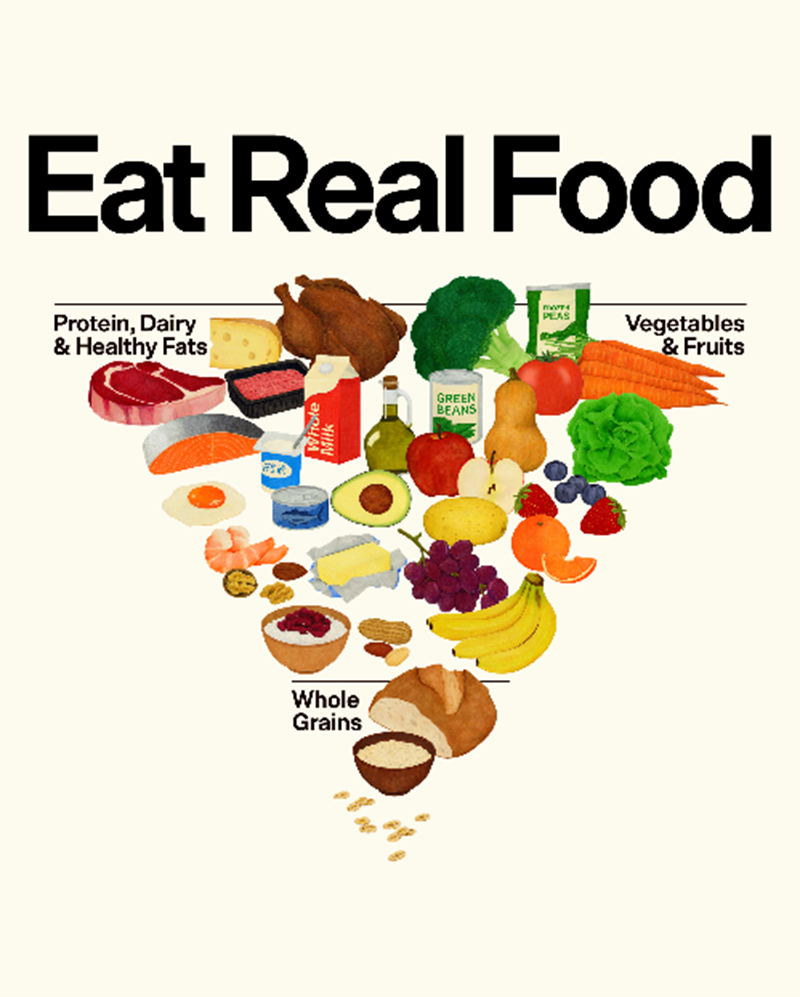
The Dietary Guidelines for Americans (DGA), updated every five years by the US Department of Agriculture and the US Department of Health and Human Services, provide essential dietary recommendations aimed at promoting health, preventing disease, and guiding federal nutrition programs such as the National School Lunch Program.
Read More
In January 2026, the 2025-2030 DGAs were unveiled. While many recommendations echoed the previous edition—such as consuming ample fruits and vegetables and prioritizing whole grains—the new guidelines are notably shorter and introduced a new graphic titled “Eat Real Food,” replacing the MyPlate design. This iteration emphasized higher protein intake, encouraged full-fat dairy, criticized highly processed foods, and stressed the reduction of added sugars. USDA Secretary Brooke Rollins remarked on the shift to support American farmers and promote wholesome foods in American diets.
The new DGAs made headlines during the Super Bowl, where a commercial featuring Mike Tyson addressed processed foods and directed viewers to the government’s new resource at realfood.gov. Historically, media coverage and public awareness regarding dietary guidelines have been low.
Using data from the Gardner Food and Agricultural Policy Survey (GFAPS), this article explores public perceptions of the new DGAs, focusing on their importance for health, realism, and affordability. The GFAPS conducted its sixteenth wave in February 2026, surveyed approximately 1,000 US adults, and examined eight key recommendations from the DGAs.
These recommendations included consuming adequate calories tailored to individual needs, emphasizing protein, incorporating dairy and healthy fats, consuming vegetables and fruits, focusing on whole grains, limiting processed foods and sugars, and moderating alcohol intake. For parents of young children, additional guidelines highlighted restricting added sugars, promoting full-fat dairy for energy and brain development, and avoiding caffeine.
Prior to assessing perceptions, participants were informed about the DGAs' updates; 48.2% were aware of the changes, with news media being the primary information source.
Participants expressed strong agreement concerning the health importance of following the DGAs, with over 80% endorsing each recommendation. Notably, the recommendation to eat vegetables and fruits throughout the day received the highest approval at 94.5%, while adherence to these guidelines remains low. For instance, only 29.1% reported consistently following the recommendation for daily vegetable and fruit intake.
Overall, while participants believed the new DGAs were important, the gap between perception and adherence suggests potential misunderstandings and the need for further support. Participants reported the greatest adherence to the guideline concerning limiting alcohol and moderately adhered to limiting processed foods and sugars.
Cost-related barriers also surfaced, with many indicating that while the DGAs are affordable, perceptions of affordability varied significantly by income. Over 75% agreed that following recommendations was affordable, though those with lower incomes reported more difficulty, particularly regarding fresh produce and limited processed foods.
Among parents, the majority recognized the importance of recommendations for young children, affirming they were realistic and affordable. Yet, adherence to the recommendations remained a challenge, particularly concerning added sugars and caffeine restrictions.
The updated DGAs not only influence public health recommendations but also significantly impact federal programs. For example, adjustments to food and nutrition services such as the National School Lunch Program reflect the new guidelines, with legislative changes like the Whole Milk for Healthy Kids Act promoting whole milk options.
In conclusion, while the public largely regards the new DGAs positively, with significant support for healthful eating, challenges remain in translating those perceptions into daily dietary adherence amidst varying socioeconomic landscapes.