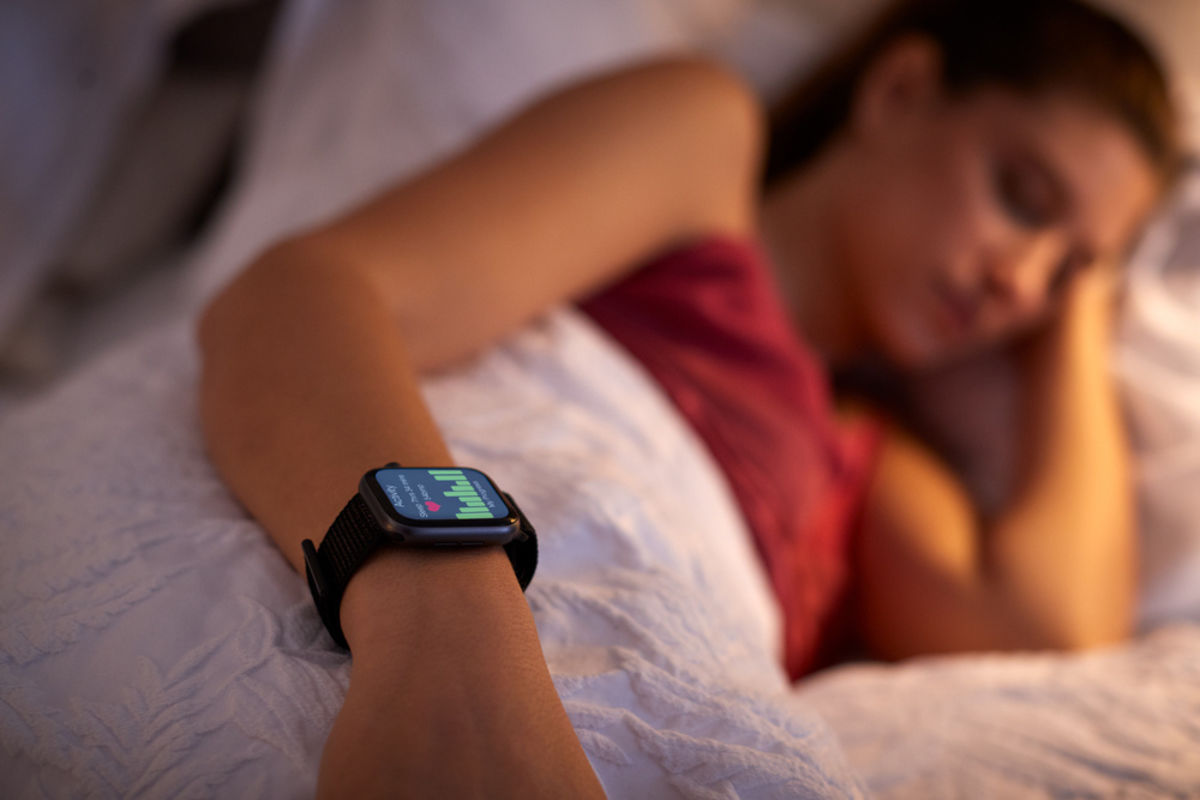
A study from the University of Bergen indicates that sleep trackers, intended to improve rest, may instead be exacerbating anxiety about sleep quality for many users. Out of over 1,000 surveyed Norwegian adults, 46% reported using sleep trackers or apps, but only 15% noted an improvement in their sleep. Alarmingly, 18% of participants felt increased anxiety regarding their sleep patterns.
Read More
The research highlighted a generational divide, particularly among young adults aged 18-35, where 23% experienced stress linked to their sleep trackers, compared to just 2.4% of users aged over 66. This suggests that younger users may be more prone to obsessively analyzing their data, which can transform normal sleep variations into anxiety-inducing concerns.
The phenomenon referred to as orthosomnia describes the anxiety stemming from sleep tracker feedback. Research from the University of Oxford demonstrated that participants who received misleading signals about their sleep quality—being told they had poor sleep—exhibited worse mood and cognitive performance the following day, regardless of their actual sleep data.
Though consumer-grade sleep trackers provide approximately 70-80% accuracy relative to clinical sleep studies, they frequently misinterpret natural sleep variations as issues. Devices from brands like Apple, Fitbit, and Oura Ring utilize heart rate and movement to assess sleep stages, a method that can misrepresent the sleep experiences of individuals, particularly those struggling with insomnia.
Insomnia patients, who are often the primary target for these devices, reported intensified negative effects in the study. Already sensitive to sleep concerns, they may experience an anxiety loop driven by the feedback from trackers. Young users often engage with their sleep data more intensely, leading to anxieties over normal fluctuations that older users may overlook.
The research suggests that instead of abandoning sleep wearables, users should focus on recognizing specific patterns that impact sleep quality. Viewing sleep scores as performance metrics can introduce unnecessary anxiety, overshadowing the need for consistency and realistic expectations surrounding sleep health.