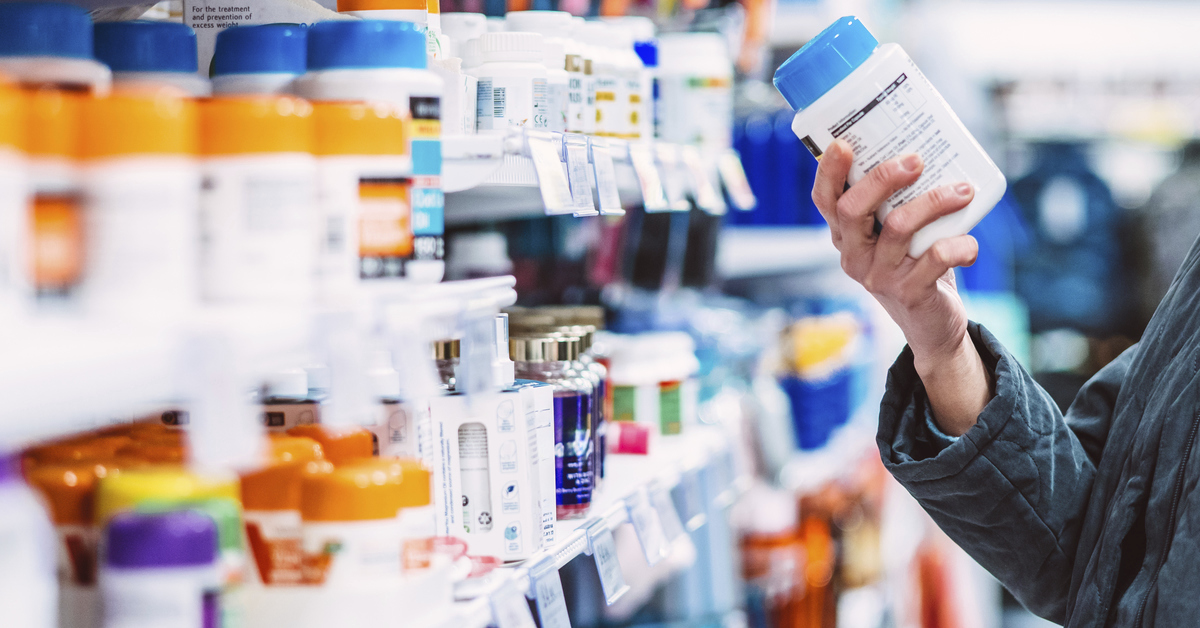
Consumers in the U.S. spent an estimated $60 billion on dietary and over-the-counter supplements in 2025, as the aging population and wellness trends drive their popularity.
Read More
Despite this trend, extensive research by scientists at Fred Hutch Cancer Center reveals that many widely used dietary supplements provide minimal benefits for cancer prevention and may even elevate cancer risk. Garnet Anderson, PhD, director of the Public Health Sciences Division at Fred Hutch, emphasized that the search for a simple solution to disease prevention, such as a pill, is misleading.
Originally intended to address nutritional deficiencies, dietary supplements are now marketed as solutions for a range of health issues, including cancer. They face minimal regulatory scrutiny; the U.S. Food and Drug Administration (FDA) does not require approval before they reach the market, only intervening if they are deemed unsafe.
Fred Hutch's investigations into various supplements have consistently shown a lack of evidence supporting their role in cancer prevention. Alarmingly, some supplements can interfere with cancer treatments, a complication that is often overlooked by patients. Many assume that supplements are harmless and do not communicate their usage with healthcare providers.
Major health organizations like the American Cancer Society recommend against using supplements for cancer prevention, listing the avoidance of such supplements as a key cancer prevention tip. Research shows that obtaining vitamins and minerals through whole foods is more beneficial than through isolated supplement pills, which may not be absorbed effectively by the body.
Notably, significant research efforts have yielded surprising results. The Selenium and Vitamin E Cancer Prevention Trial demonstrated that Vitamin E supplementation led to a 17% higher risk of prostate cancer, while selenium was linked to increased risk of high-grade prostate cancer. Similarly, the Carotene and Retinol Efficacy Trial revealed that beta-carotene and Vitamin A supplements heightened the risk of lung cancer and mortality in certain populations.
Conversely, dietary fiber, found in fruits, vegetables, and whole grains, is consistently indicated to boost health and reduce cancer risk. Fred Hutch experts advocate for a daily intake of at least 30 grams of fiber, which is shown to be beneficial particularly against colorectal cancer. They emphasize the importance of plant-based foods, which are rich in fiber and essential nutrients.
Additionally, studies conducted at Fred Hutch highlight that a significant number of cancer survivors use dietary supplements without consulting their oncologists, which can lead to harmful interactions with cancer treatments. Vitamins such as folic acid, and herbs like St. John’s wort, can interfere with the effectiveness of chemotherapy or contribute to cancer progression.
Healthcare professionals at Fred Hutch stress the importance of discussing supplement use with medical teams to prevent adverse interactions with ongoing treatments. The center continues to investigate the effects of dietary supplements on cancer therapies, while also working to provide reliable information to patients.
Ultimately, while the allure of dietary supplements remains strong, experts urge caution and recommend prioritizing whole foods over pills for health maintenance.