High cholesterol can develop unexpectedly, but making conscious dietary choices can lead to significant improvements in cholesterol levels. While recent research indicates that dietary cholesterol may not directly impact blood cholesterol, the selection of foods is still essential. Focusing on high-protein plant foods, particularly those rich in soluble fiber, can notably affect cholesterol levels.
Read More
Natalie Rizzo, a registered dietitian and nutrition editor for TODAY, emphasizes the importance of soluble fiber, stating it helps to bind cholesterol and bile acids in the digestive system, aiding in their removal from the body. Consuming the recommended daily intake of fiber can be beneficial in lowering LDL, or 'bad,' cholesterol.
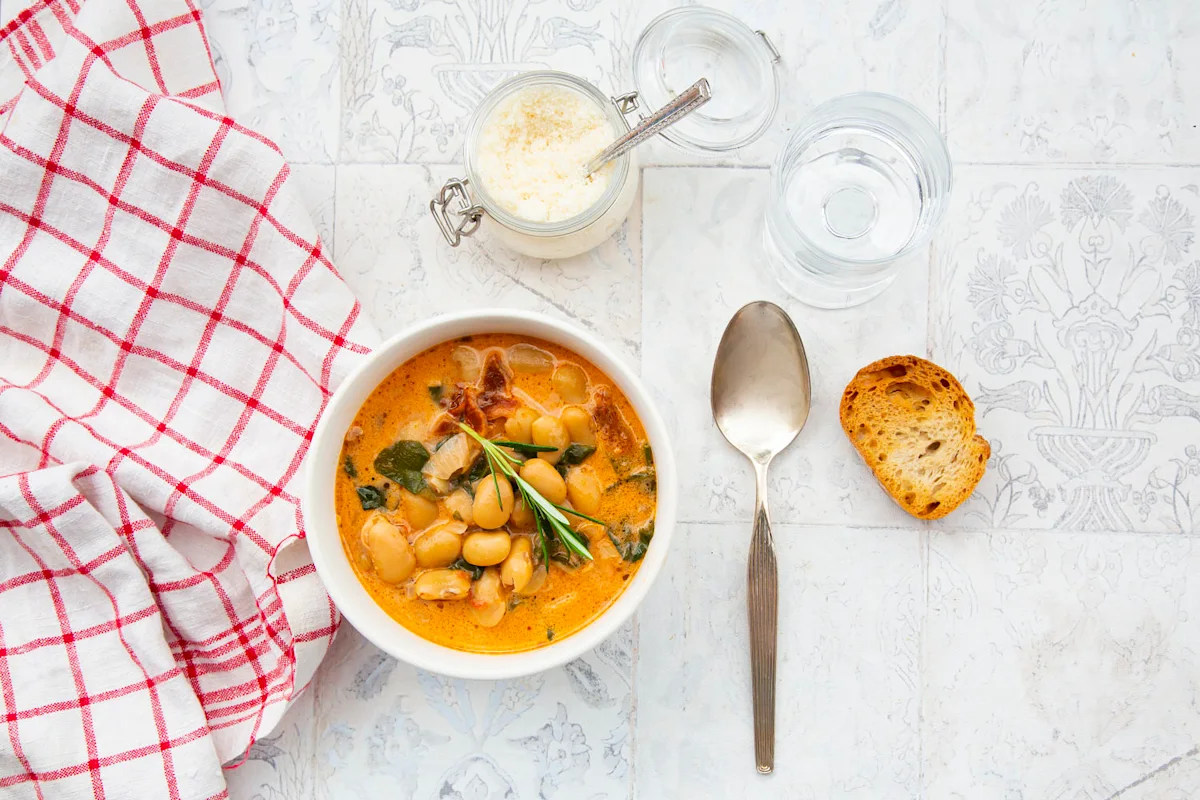
Beans are highlighted as Rizzo's top recommendation due to their impressive combination of plant-based protein and soluble fiber. Navy beans lead in fiber content, offering over 9 grams per serving, while black beans and red adzuki beans follow closely with around 8 grams each. Beans not only provide filling protein and heart-healthy fiber, but they are also affordable and versatile. Rizzo suggests using beans in dishes such as quesadillas, tacos, or blending them into soups and dips for added nutrition.
Lentils, another high-fiber legume, also contribute positively to cholesterol management. A half-cup serving contains 9 grams of protein and 8 grams of fiber, along with low levels of saturated fat. Rizzo appreciates lentils for their quick cooking time and their ability to replace meat in various recipes. They are ideal for soups, curries, salads, and pasta sauces.
In addition to fiber, Rizzo points out the importance of unsaturated fats in the diet for cholesterol management. She recommends nuts, particularly almonds and walnuts, as healthy substitutes for foods high in saturated fat, such as butter. While nuts are calorie-dense, a small handful can be a satisfying serving. Rizzo enjoys adding nuts to oatmeal, yogurt, and salads, as well as consuming nut butters, which can conveniently enhance meals without cooking. This nutritional strategy encompasses protein and heart-healthy fats.