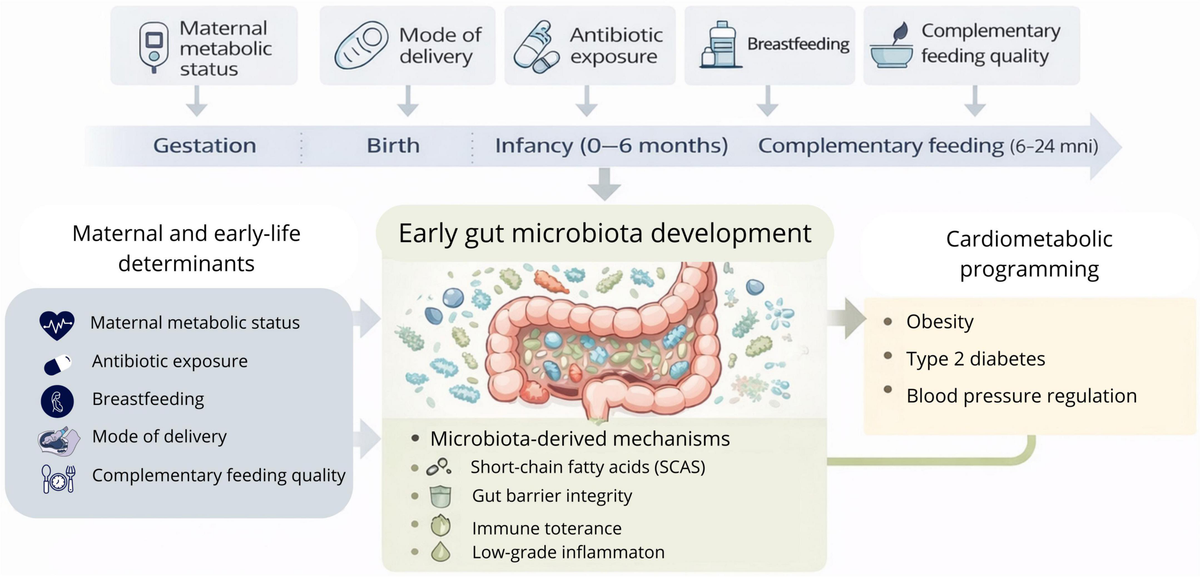
The first two years of life represent a crucial period for establishing gut microbiota and programming future cardiometabolic risk. This review analyzes research concerning the gut microbiota's influence during early life, particularly its association with obesity, type 2 diabetes, and arterial hypertension. Findings indicate that early dysbiosis correlates with increased vulnerability to cardiometabolic disorders, primarily due to low-grade inflammation and metabolic disruptions. Studies also highlight connections between maternal conditions—such as obesity and gestational diabetes—and the initial microbial composition of infants, characterized by lower diversity and fewer beneficial bacteria.
Read More
Longitudinal studies link underdeveloped microbiomes in infants, especially those exposed to antibiotics or unhealthy diets, to higher overweight risks. Conversely, exclusive breastfeeding is associated with healthier microbial profiles. In terms of hypertension, microbial metabolites like short-chain fatty acids may play a role in vascular regulation.
Understanding how gut microbiota shapes metabolic programming during the first two years is critical for addressing long-term health risks. The review integrates existing evidence within the framework of the Developmental Origins of Health and Disease model, reinforcing the first 1,000 days of life as pivotal for cardiometabolic health.
In addition to maternal and early environmental conditions, factors such as feeding practices significantly influence microbial development. Breastfeeding enhances beneficial bacteria while antibiotic use can lead to dysbiosis, altering metabolic pathways and contributing to obesity and diabetes. Maternal nutrition also impacts gut microbiota establishment and subsequent health outcomes.
Evidence underscores the importance of optimizing maternal health, promoting vaginal delivery, and strengthening breastfeeding support as strategies to nurture a beneficial gut microbiome in infants. Additionally, addressing complementary feeding patterns and limiting antibiotic use can further support a balanced microbiota, ultimately reducing risks of obesity, diabetes, and hypertension.
Moving forward, targeted microbial modulation strategies, including the use of probiotics and dietary interventions, along with public health policies promoting maternal and infant health, may be effective in breaking detrimental health trajectories established during early life.