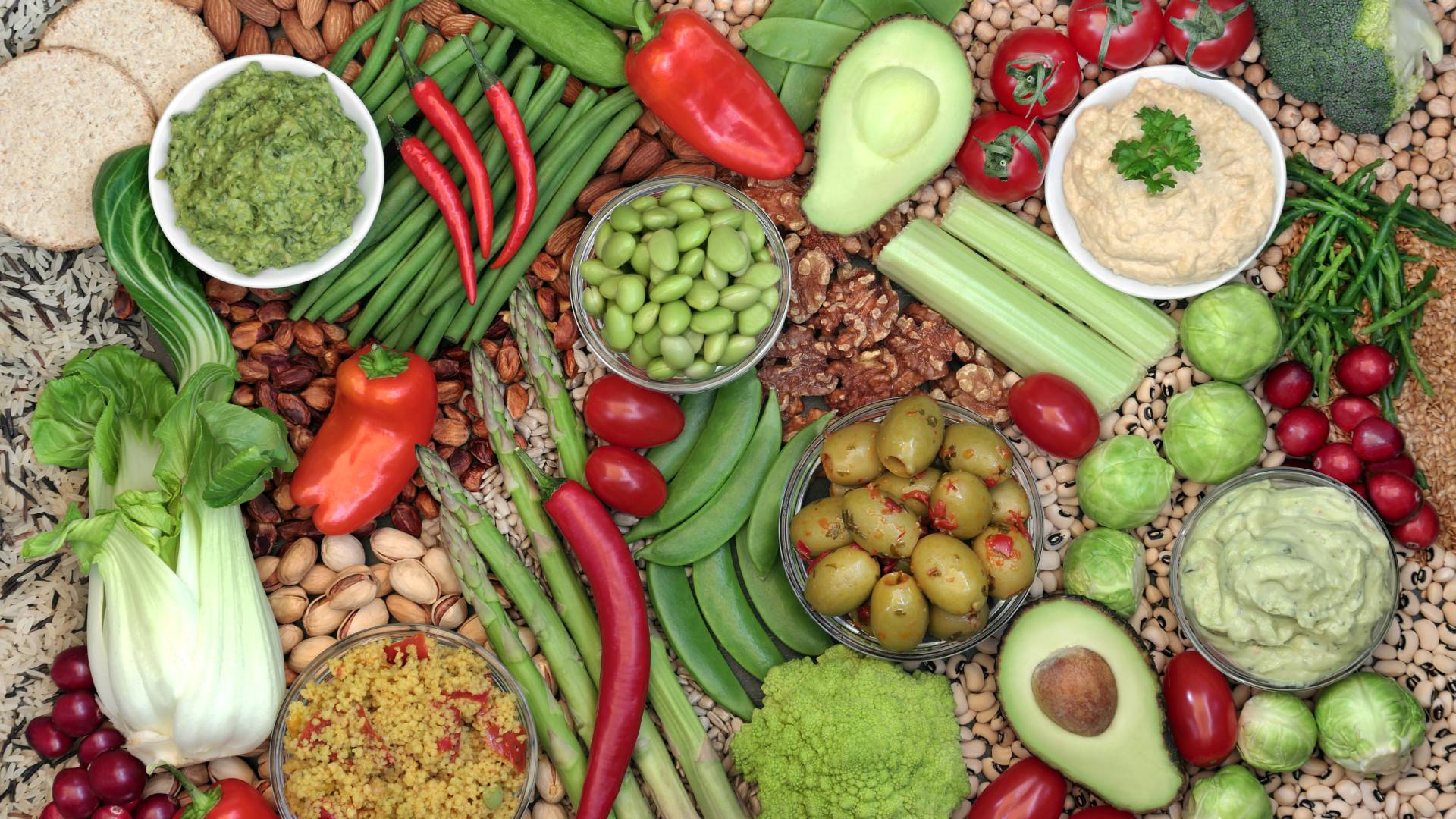
A recent peer-reviewed review in the journal Biology has challenged traditional views on plant-based diets, particularly concerning nutrient absorption. The review argues that the common notion that reduced intake of nutrients like iron and protein automatically leads to lower availability in the body is misguided. It asserts that the body actively adapts to dietary changes, enhancing absorption efficiencies and modifying its physiological responses.
Read More
Co-authored by Dr. Hana Kahleova, MD, PhD, director of clinical research at the Physicians Committee for Responsible Medicine, and lead author Miguel López-Moreno from the Universidad Francisco de Vitoria in Madrid, the review draws upon human intervention and observational studies across five biological systems. The authors concluded that the body optimizes nutrient absorption, synthesizes compounds like creatine and carnosine more effectively, and alters gut bacteria to maximize fiber fermentation, ultimately influencing long-term nutritional status.
Dr. Kahleova explained, "For years, nutrition science has treated dietary intake as if it were a straight line to physiological status—eat less iron, absorb less iron; eat less creatine, have less creatine. That's not how human physiology works." She emphasized that the body's regulatory systems adjust to provide stability when dietary intake remains consistent.
The review focuses on five nutrients often raised as concerns regarding plant-based diets:
1. **Iron:** While vegans and vegetarians obtain non-heme iron, studies indicate that the gut compensates by absorbing larger fractions of it due to lower levels of hepcidin, a hormone regulating absorption. Typically, iron intake for vegetarians and vegans can match or exceed that of omnivores, due to iron-rich staple foods.
2. **Creatine and Carnosine:** Although primarily found in animal products, these compounds are also synthesized from amino acids in the body. Vegetarians may have lower muscle stores but typically maintain normal function and exhibit better responses to creatine supplementation.
3. **Protein:** Well-planned plant-based diets can preserve lean mass and strength comparably to omnivorous diets in controlled settings.
4. **Fermentable Fiber:** Initial digestive discomfort from increased fiber usually subsides within weeks as gut bacteria adjust to ferment complex carbohydrates more efficiently.
5. **Polyphenols:** Gut bacteria convert plant compounds into bioactive metabolites, with long-term vegans showing significantly higher levels of these beneficial byproducts.
However, the authors acknowledge that adaptation has boundaries. Conditions such as pregnancy, chronic inflammation, and prolonged dietary deficiencies may hinder the body's regulatory capacity. This underscores the need for personalized dietary counseling instead of generalized guidance.
Dr. Kahleova pointed out the importance of understanding both a patient's dietary habits and the duration of those habits to assess physiological adaptation. She cited her randomized trial involving a fiber-rich, plant-based diet in adults with type 1 diabetes, noting that insulin requirements decreased in line with the adaptive responses of the body.
The review advocates for longitudinal research that observes adaptation over time, emphasizing the need for biomarkers to differentiate between short-term responses and stable long-term adaptation. The authors posit that these findings about physiological adaptation can inform broader nutrition science beyond just plant-based diets.