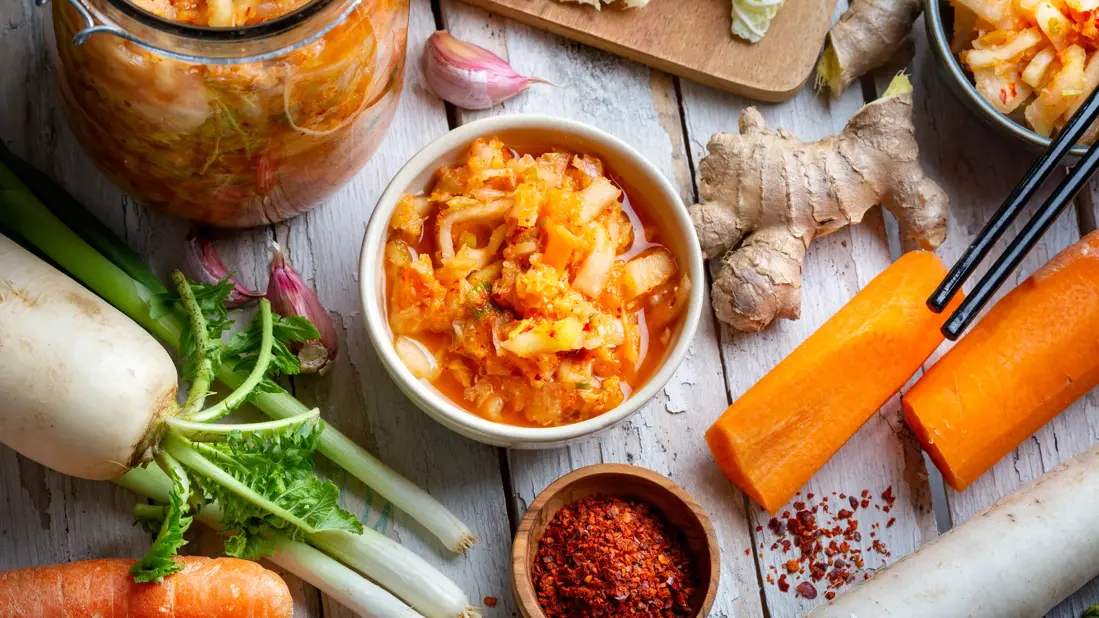
A diet high in processed foods can disrupt gut microbiota, potentially leading to gastrointestinal issues like bloating, diarrhea, and constipation. Incorporating fermented foods, such as sauerkraut, kimchi, and pickles, can promote gut health by introducing beneficial bacteria. Dr. Gail Cresci, a specialist in gut bacteria, highlights several fermented foods that can enhance health and wellbeing.
Read More
Fermented foods are those created through the fermentation process, where bacteria and yeast break down sugars and starches. This process produces probiotics, known as good microbes, and beneficial metabolites that aid digestion and support overall gut health. Dr. Cresci notes that fermentation not only enhances the nutritional profile of foods but also affects their taste and texture.
The health benefits of fermented foods include:
- Breaking down complex carbohydrates.
- Combatting harmful bacteria in the intestines.
- Providing essential vitamins, such as B12 and K.
- Maintaining a balanced gut microbiota.
- Recovering gut health after antibiotic use.
Dr. Cresci emphasizes that the gut microbiota influences overall health, with a diverse microbiota linked to lower risks of chronic conditions, including obesity, heart disease, asthma, and inflammatory bowel disease.
Those interested in adding fermented foods to their diet should consider the following options:
**Kefir:** A fermented milk drink made from kefir grains, resulting in a fizzy, tangy beverage thinner than yogurt. Available in grocery dairy sections.
**Kimchi:** A traditional Korean dish made from napa cabbage, radish, scallions, and spices. Available in various forms at Asian and grocery stores, or can be made at home.
**Kombucha:** A fizzy fermented tea found in grocery stores, it can also be brewed at home using tea, water, sugar, and a 'mother' culture.
**Miso:** A paste from fermented soybeans, salt, and koji, commonly used in Japanese dishes. It enhances flavor in sauces, marinades, and soups.
**Pickles:** Available in various types, these can be made at home using cucumbers in brine or purchased from grocery stores.
**Sauerkraut:** A staple in Eastern European cuisine, look for live versions in grocery stores or consider making it from scratch.
**Tempeh:** A plant-based product made from fermented soybeans, offering a nutty flavor and high protein content.
**Yogurt:** Made from fermenting milk or dairy alternatives with a bacterial starter, some varieties contain added probiotics.
To incorporate more fermented foods into your diet, start small by adding one or two types at a time. Pair these foods with fiber-rich options like beans, oats, and fruits to support gut bacteria. Instead of traditional breakfast items, consider yogurt or kefir to kickstart your day. Look for creative ways to include fermented foods in meals, such as topping burgers with kimchi or adding tempeh to bowls and stir-fries. Be mindful of food labels to ensure they are genuinely fermented and check for sodium and sugar content.
Overall, fermented foods offer a simple yet effective way to enhance gut health. Dr. Cresci concludes that consuming a variety of fermented foods can provide different microorganisms and metabolites that support a healthy gut microbiota.