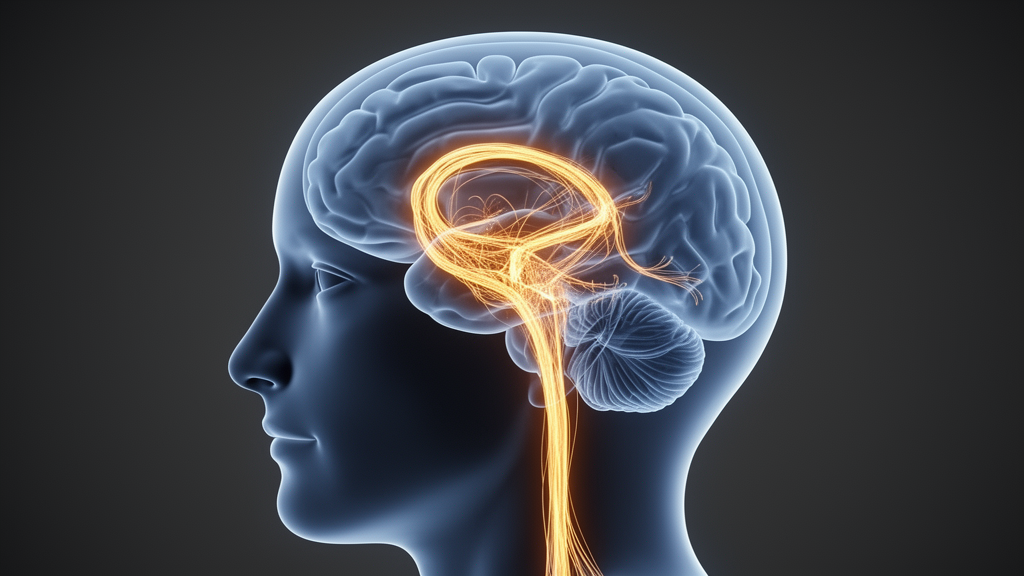
A recent large-scale neuroimaging study from Boston Children’s Hospital has identified a specific brain circuit associated with anxiety in adolescents. This research, published in the journal Imaging Neuroscience, highlights how alterations in the organization of this circuit correlate with anxiety symptoms and cognitive deficits in nearly 3,500 youth.
Read More
Adolescence is a critical developmental period during which many psychiatric conditions, including anxiety disorders, first emerge. Over 30 percent of teenagers in the U.S. experience anxiety disorders, emphasizing the importance of understanding the neural underpinnings of these conditions. The study, led by Dr. Caterina Stamoulis, utilized data from the Adolescent Brain Cognitive Development Study (ABCD), the largest long-term study of brain development and child health in the U.S.
The researchers focused on a circuit comprising the cerebellum, amygdala, and thalamus, each playing distinct roles in emotional processing and cognitive function. Findings revealed that anxious youth exhibited altered organization and weakened connections within this circuit. These changes were linked to higher levels of anxiety and the presence of related disorders, suggesting that the circuit is actively involved in anxiety mechanisms rather than merely reflecting them.
Additionally, the team found structural brain alterations in anxious adolescents that corresponded with deficits in visuospatial processing, which is critical for everyday tasks like navigation and object manipulation. Notably, the anxiety-related changes were detectable as early as ages 11 to 12, well before participants showed clinically significant anxiety symptoms. This early identification of neural signatures of vulnerability opens the possibility for preventive interventions before the onset of anxiety symptoms.
Stamoulis emphasizes the potential of precision medicine in psychiatry, proposing that identifying specific circuits linked to anxiety may lead to tailored interventions that could improve both immediate and long-term mental health outcomes for young people. The study's large sample size and robust analytical methods bolster the significance of its findings, underscoring a growing understanding of the interplay between mental health and cognition within brain networks.
The implications of this research extend beyond anxiety, offering insights into how brain organization evolves during adolescence and the potential for early intervention strategies. The identification of the cerebellum-amygdala-thalamus circuit may pave the way for new approaches in youth mental health care.