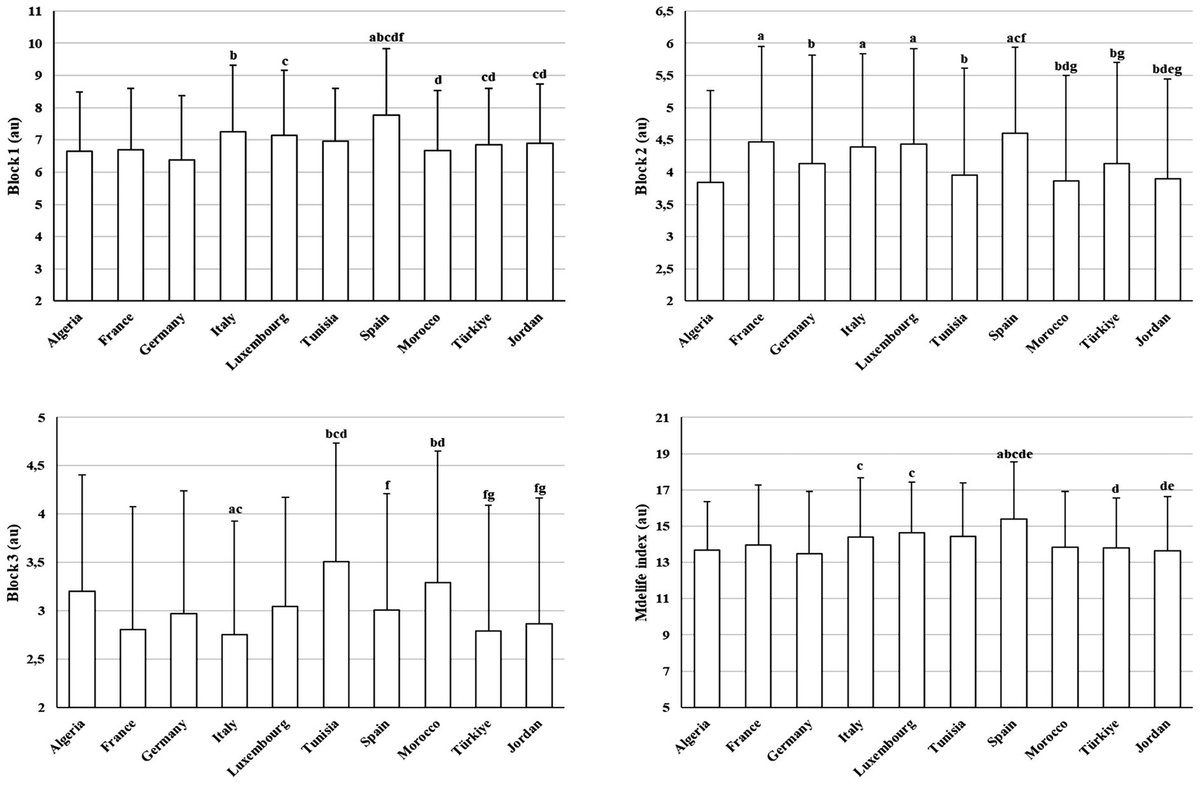
The Mediterranean lifestyle, known for its health benefits, shows considerable variation across 10 Mediterranean and neighboring countries, as highlighted by the MEDIET4ALL project. This research, based on data collected from 4,010 participants with an average age of 37.2 years, aimed to compare Mediterranean lifestyle adherence using a standardized MedLife Index, which considers dietary habits and lifestyle factors.
Read More
Results indicated significant differences in adherence levels among countries (p < 0.001), with Spain scoring consistently higher than others, including Tunisia and Jordan. The analysis revealed that lower adherence was prevalent in non-Mediterranean countries. Moreover, psychological distress and life satisfaction differed markedly, with Algeria exhibiting the highest levels of stress and anxiety (p < 0.001) compared to European counterparts.
Social participation levels also varied significantly, with North African nations reporting higher engagement compared to France and Germany. In terms of physical activity, Jordan had the lowest levels, while Germany showed higher engagement in active lifestyles.
Sleep patterns revealed concerning differences, particularly insomnia severity, which was notably higher in countries like Algeria. The study underscores that various factors—including socioeconomic conditions and cultural influences—contribute to this variability in lifestyle adherence. Consequently, the findings call for tailored public health strategies that integrate dietary, physical, and mental health considerations to promote Mediterranean lifestyle adoption effectively.
Overall, the MEDIET4ALL project sheds light on the complex interplay of behaviours and psychosocial factors that shape lifestyle adherence, emphasizing the need for a multidimensional approach in health promotion efforts across diverse cultural contexts.