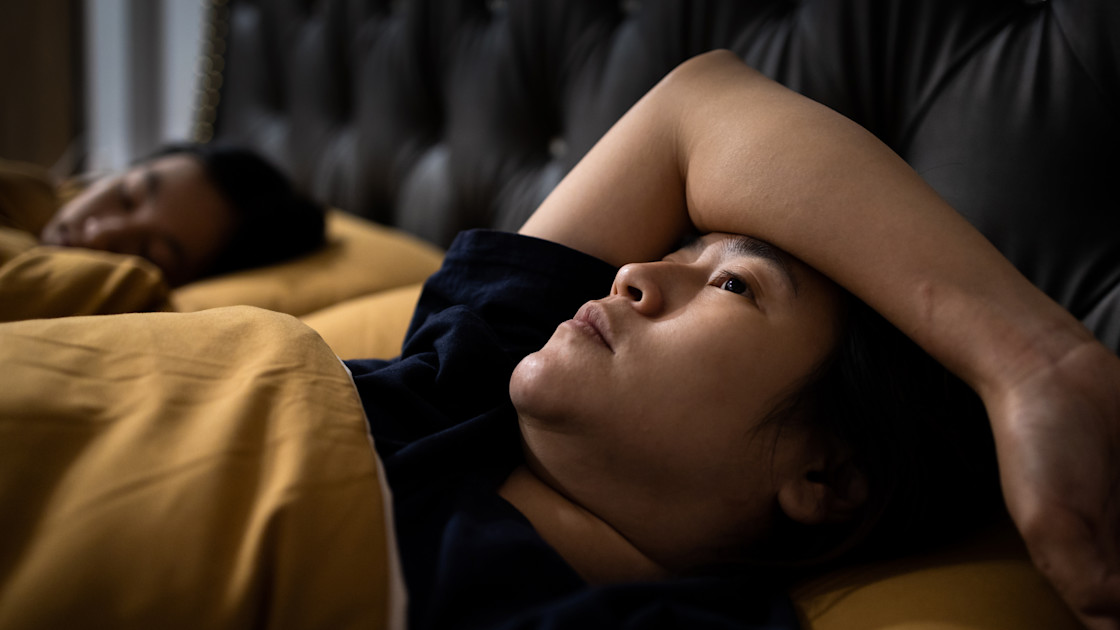
Sleep plays a crucial role in maintaining health and overall quality of life. A recent study involving over 37,000 shift workers has revealed that more than half of those who work regular night shifts suffer from sleep disorders, including conditions such as insomnia, sleep apnea, and restless leg syndrome.
Read More
The study conducted by researchers in the Netherlands examined the connection between various shift patterns, sociodemographic factors, and sleep health. Dr. Marike Lancel, a senior author from GGZ Drenthe’s Mental Health Institute, stated, "We showed that compared to working regular shifts during daytime hours, working other shift types is associated with a higher occurrence of disordered sleep, particularly in rotating and regular night shift work." The study found that 51% of night shift workers reported having at least one sleep disorder.
In 2015, 21% of workers in the European Union were involved in shift work, which often disrupts circadian sleep-wake rhythms. The current research aimed to address gaps in understanding how different shift types affect sleep disorder prevalence and how this might vary by demographic factors.
Participants provided information about their shift patterns—ranging from regular morning, evening, and night shifts to rotating schedules—and answered a questionnaire screening for six common sleep disorder categories. Among night shift workers, 50% reported sleeping less than six hours within a 24-hour period, and around 26% reported experiencing two or more sleep disorders. In the overall study population, roughly one-third indicated having at least one sleep disorder, with 12.6% screening positive for multiple disorders.
The impact of demographics was also assessed. Findings showed that males reported getting fewer hours of sleep than females, while sleep disorders were more prevalent among women. Age played a role too; older participants tended to sleep fewer hours, but the highest occurrence of sleep disorders was seen in the youngest group, those aged 30 and below. The researchers highlighted that lower educational attainment correlated with poorer sleep health, particularly among young adults.
The possibility exists that not all night shift workers face the same level of sleep-related challenges. However, for the average night shift worker, the study concludes, this work schedule increases the likelihood of experiencing sleep difficulties. Dr. Lancel noted, "Because those working night shift will remain de-synchronized with the day-work focused environment they live in, it is unlikely to completely prevent all negative consequences of night work."
The researchers acknowledged limitations in their study, such as the potential bias from individuals with sleep disorders being more likely to participate. Nonetheless, the findings are intended to inform employers about the risks associated with shift work and to provide strategies to mitigate the adverse effects of nighttime labor.