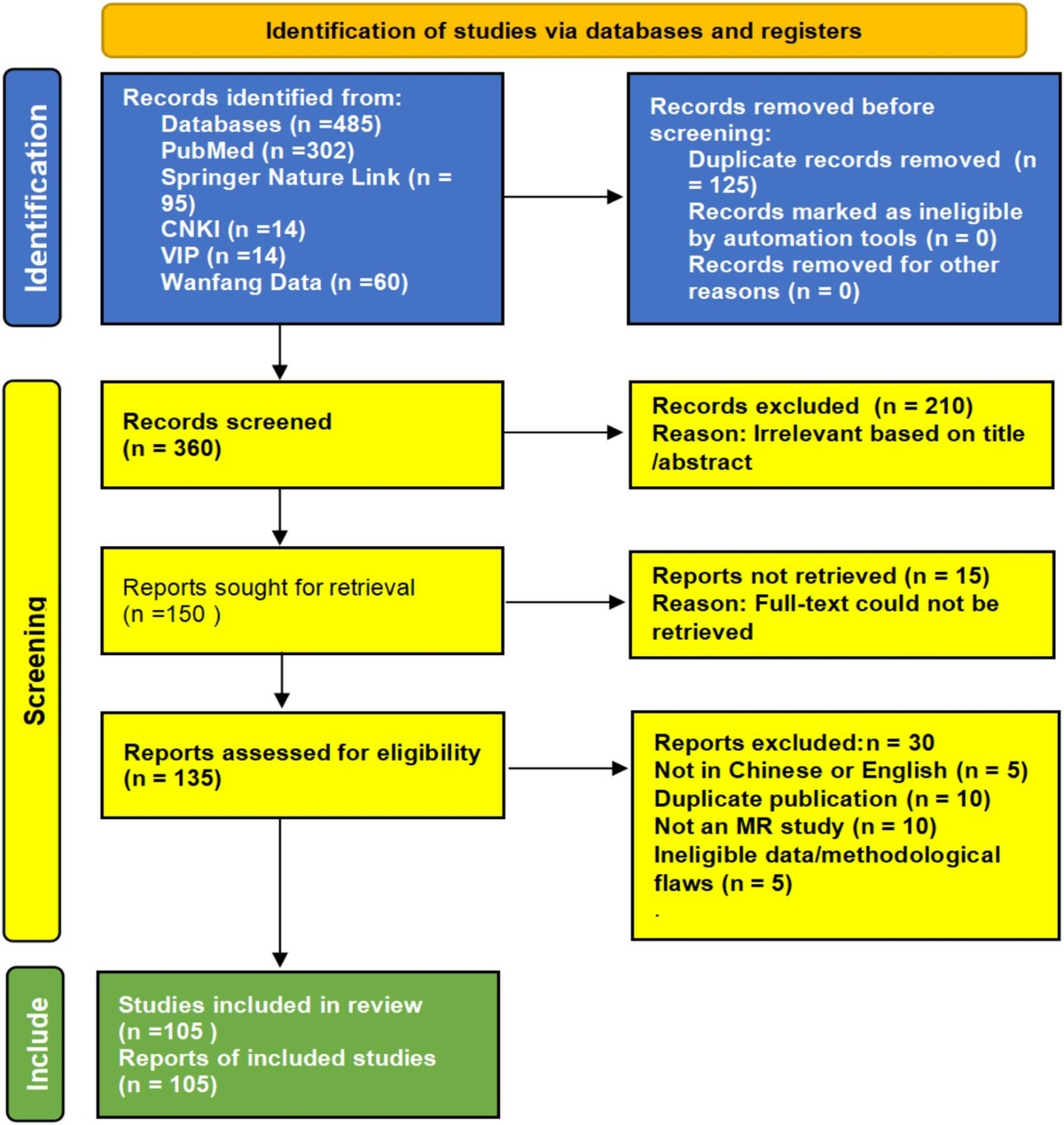
Insomnia, a widespread sleep disorder, significantly threatens physical and mental health. Traditional studies have identified several associated factors; however, the causal direction often remains ambiguous, potentially influenced by confounding variables. Mendelian randomization (MR), utilizing genetic instrumental variables for causal inference, effectively addresses these challenges, providing substantial evidence clarifying the causal links between insomnia and various diseases. This review integrates 105 recent MR studies, revealing that insomnia has pronounced causal effects on numerous health conditions, though the strength of these associations varies.
Read More
Key findings indicate that insomnia is a significant risk factor for coronary heart disease, anxiety and depressive disorders, type 2 diabetes, and chronic pain. Additionally, associations with osteoarthritis and lung cancer are observed, albeit with smaller effect sizes. Conversely, the causal links to Alzheimer’s disease and schizophrenia remain unverified. The studies illustrate a predominant causal direction from "insomnia to disease," effectively mitigating concerns of reverse causation prevalent in observational studies. These insights reposition insomnia as a modifiable factor influencing a range of psychosomatic disorders.
Insomnia affects about 16.2% of adults globally, with prevalence rising during the COVID-19 pandemic. Chronic insomnia causes neuroplasticity impairment, such as reduced synaptic density and neurogenesis, while also activating the stress-immune axis, elevating risks for various mental health issues. Current treatments include medications and cognitive behavioral therapy for insomnia (CBT-I), but accessibility remains low in primary care. Insomnia often coexists with other chronic conditions like depression and hypertension, leading to difficulties in establishing causal inferences through traditional randomized controlled trials, given ethical concerns.
MR studies leverage the randomized distribution of genetic variants to simulate randomized trials, allowing for clearer causal relationships by adhering to specific assumptions about instrumental variables. Evidence from the studies demonstrates that insomnia represents a considerable risk for several chronic diseases across multiple biological systems, supporting early identification of at-risk populations and targeted preventive strategies.
In assessing methodological quality through the modified Newcastle-Ottawa Scale, the average scores indicate robust findings among included studies. This review emphasizes the need for integrating sleep disorder evaluations in managing chronic diseases, indicating that further research should validate these relationships across diverse populations and refine these causal inferences through advanced observational techniques. Identifying insomnia as a modifiable risk factor paves the way for optimizing health management and enhancing public health strategies.