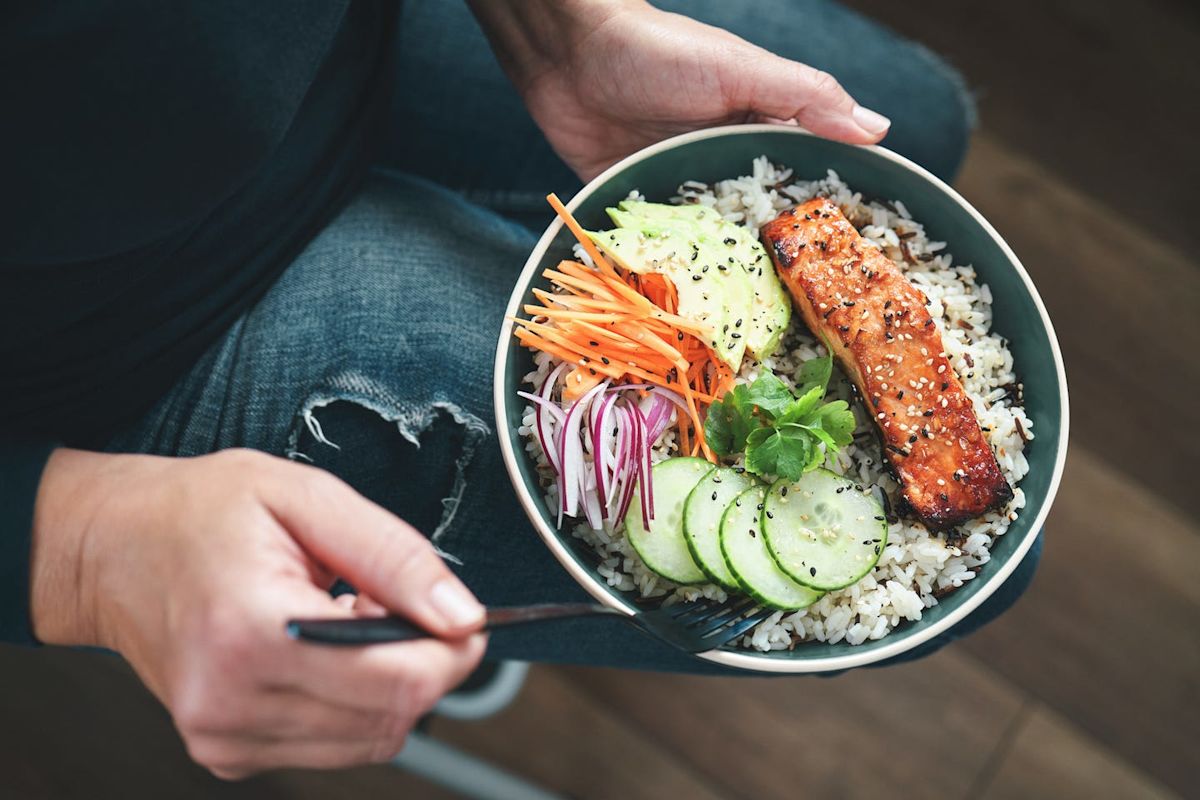
Salmon is recognized as a nutritious food option, celebrated for its high protein content and abundance of omega-3 fatty acids, which support heart, brain, eye, immune, and overall health. Despite the benefits, many people do not consume enough seafood; the American Heart Association recommends two servings of fish per week, yet many Americans do not meet this guideline, according to the Centers for Disease Control and Prevention.
Read More
The debate between wild-caught and farm-raised salmon is prominent in discussions about health. Dietitian Lauren Manaker, MS, RDN, LD, provides insights into the nutritional differences between these two types.
Both wild-caught and farmed salmon are excellent protein sources, but their nutritional profiles can vary based on factors like diet, habitat, and species. According to the United States Department of Agriculture (USDA), a 3-ounce serving of wild-caught Atlantic salmon contains:
- Calories: 155
- Protein: 21.6 grams
- Total fat: 7 grams
- Calcium: 12.8 milligrams
- Selenium: 39.8 micrograms
- Vitamin B12: 2.59 micrograms
- Omega-3 fatty acids: 0.35 grams of eicosapentaenoic acid (EPA) and 1.22 grams of docosahexaenoic acid (DHA).
In comparison, a 3-ounce serving of farmed Atlantic salmon includes:
- Calories: 175
- Protein: 18.8 grams
- Total fat: 11 grams
- Calcium: 12.8 milligrams
- Selenium: 35.2 micrograms
- Vitamin B12: 2.38 micrograms
- Omega-3 fatty acids: 0.59 grams of EPA and 1.24 grams of DHA.
When comparing fat content, wild-caught salmon tends to be leaner, making it a preferable choice for those monitoring fat intake. Farmed salmon, which consumes a diet consisting largely of plant-based oils, has a higher overall fat content.
Research indicates that wild salmon may have a more favorable omega-3-to-omega-6 balance, which could enhance heart health. Additionally, the pink coloration of wild salmon comes from carotenoid pigments in its natural diet, while farmed salmon obtains its color from supplemented feed, not artificial dyes.
Contaminant levels can be found in both wild and farmed salmon, and research suggests that purity does not necessarily favor one over the other.
Ultimately, the choice between wild-caught and farmed salmon may not be as significant as it seems. Both types offer valuable nutrients, including protein and omega-3s, contributing to heart health and overall well-being. For those concerned about sustainability, certifications such as the Marine Stewardship Council (MSC) for wild-caught and Aquaculture Stewardship Council (ASC) for farmed salmon can guide purchasing decisions.