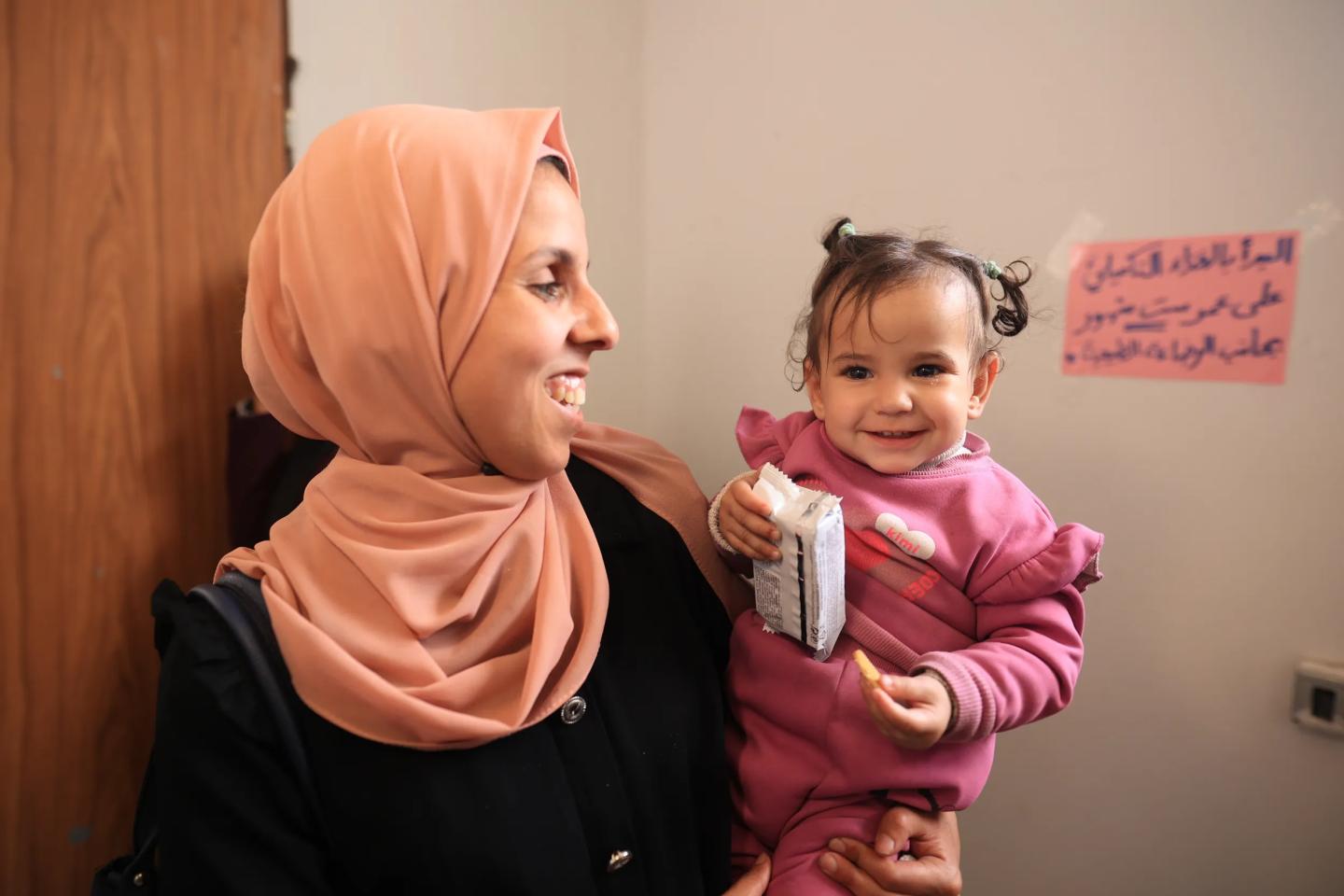
ROME/NEW YORK, 23 July 2026 – A new analysis reveals that while there have been some improvements in food security and child nutrition in the Gaza Strip, these gains are precarious. The United Nations has cautioned that the advancements are largely due to increased access to humanitarian food, nutrition, agricultural, and health assistance. Currently, only one crossing, Kerem Shalom/Abu Salem, remains operational, limiting the transportation of essential goods and leaving much of the population reliant on humanitarian aid.
Read More
Many residents are struggling to revive their livelihoods and community services. The Food and Agriculture Organization (FAO), UNICEF, and the United Nations World Food Programme (WFP) noted that improvements in food security and nutrition indicate rapid progress can occur with increased humanitarian and commercial activity. However, families in Gaza still face significant challenges in meeting basic needs, with improvements at risk of quick reversal without sustained aid, private sector involvement, and investment in recovery.
The latest Integrated Food Security Phase Classification (IPC) analysis highlights that approximately 1.4 million people, or 67 percent of Gaza’s population, currently face crisis or worse levels of food insecurity (IPC Phase 3 or above), down from 1.6 million people, or 77 percent, at the end of last year. About 212,000 individuals remain in emergency conditions (IPC Phase 4), particularly in areas near Israeli military boundaries, where access to necessities is extremely limited.
Four governorates (North Gaza, Gaza, Deir Al-Balah, and Khan Younis) are experiencing “alert” malnutrition levels (IPC phase 2). Some regions near the “yellow line” remained inaccessible during the survey period, resulting in inadequate data for classification. Since the ceasefire in October 2025, there has been a significant increase in food and nutrition assistance. For example, in May 2026, food parcels reached around 1.5 million people, and multipurpose cash assistance benefited approximately 700,000 individuals. Nutrition support for children under 5 improved to reach 60 percent, compared to less than 1 percent in September 2025.
Despite these advances, food rations are still lacking in quantity, quality, and dietary diversity, and commercial imports of fresh produce remain unreliable. The reduction in malnutrition rates can mainly be attributed to the rapid expansion of nutrition programs and increased access to treatment for various levels of malnutrition. Still, around 74,000 children are projected to require treatment for acute malnutrition in the coming year, along with approximately 25,000 pregnant and breastfeeding women needing nutritional support.
Local food production recovery is limited, as more than 70 percent of Gaza’s cropland is inaccessible, with only 3 percent currently usable. While there are early signs of livestock recovery—with sheep inventories increasing by 33 percent in areas receiving support—the total recovery remains contingent upon removing restrictions that limit agricultural and humanitarian imports.
FAO, UNICEF, and WFP emphasize that enduring peace and security are essential for individuals to reclaim their farms and communities. Continued humanitarian assistance, through all crossing points from Jordan, Israel, and Egypt, remains critical for Gaza's recovery. The agencies are calling for the immediate provision of essential materials and expanded commercial access to stabilize market conditions. Restoring water, sanitation, and healthcare systems is crucial to maintaining nutrition gains and preventing disease outbreaks.
The agencies urge the international community to enhance funding for food and nutrition assistance, agricultural recovery, and health services. Current funding for Palestine is rapidly depleting, and without additional resources, the hard-earned improvements may be jeopardized for the 2.1 million people living in Gaza.
FAO Director-General QU Dongyu stated that food security will not improve unless local production resumes and producers gain access to their resources. UNICEF Executive Director Catherine Russell noted that while acute malnutrition rates have decreased, many children still suffer from hunger and inadequate nutrition. WFP’s Acting Executive Director Carl Skau confirmed the humanitarian situation remains dire, emphasizing the need for ongoing stability and funding for recovery efforts.