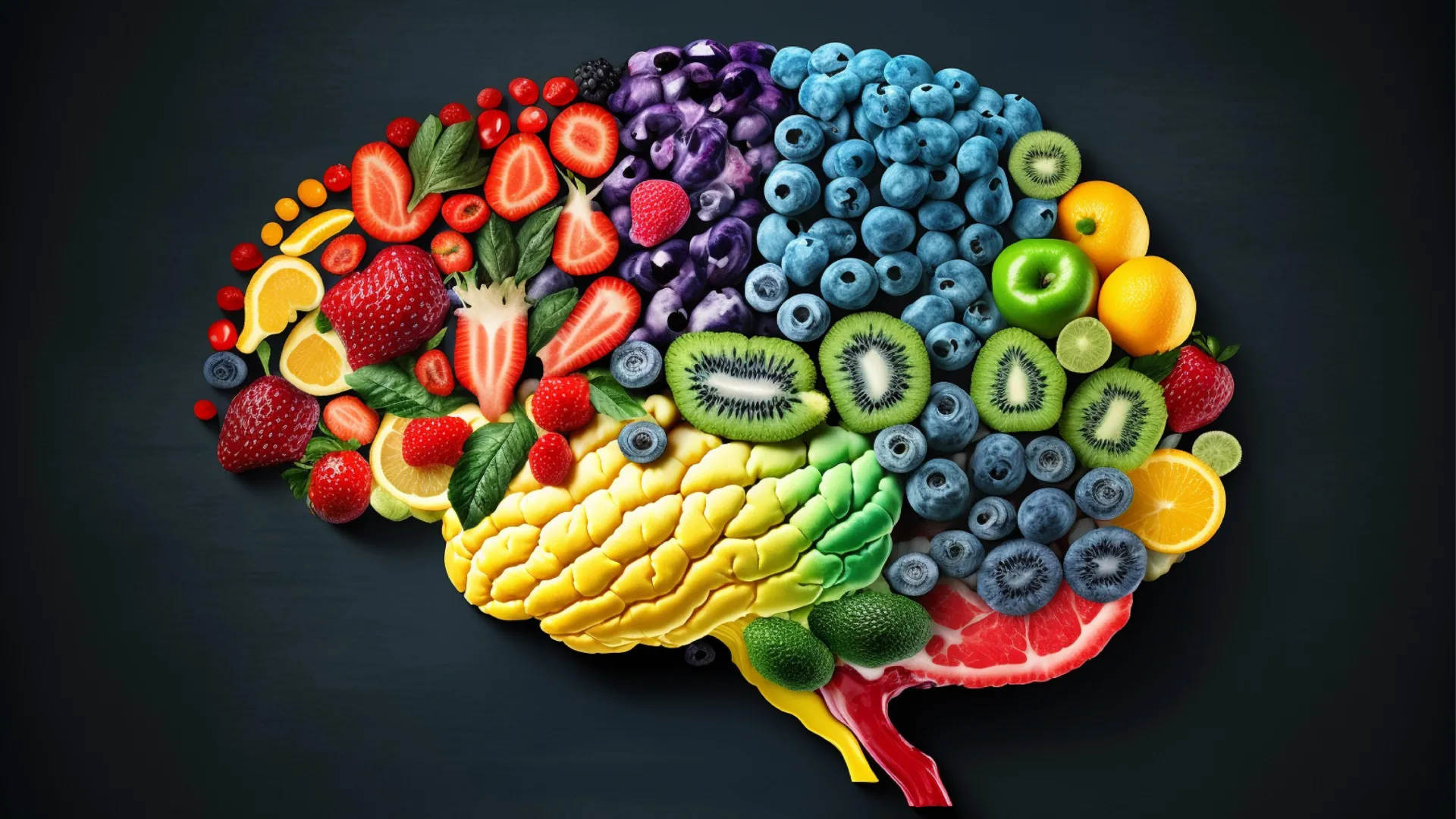
A diet combining elements of the Mediterranean diet and a plan to reduce blood pressure, known as the MIND diet, may help slow brain aging, according to research published in the Journal of Neurology Neurosurgery & Psychiatry. The study found that greater adherence to the MIND diet was associated with reduced brain tissue loss, particularly in grey matter, which is crucial for memory and decision-making, as well as a decrease in the enlargement of brain ventricles, fluid-filled spaces that grow as brain tissue diminishes.
Read More
The MIND diet, which stands for the Mediterranean-Dietary Approaches to Stop Hypertension Diet Intervention for Neurodegenerative Delay, emphasizes the consumption of green leafy vegetables, berries, nuts, whole grains, fish, beans, olive oil, and poultry, while recommending limits on butter, cheese, red meat, sweets, and fried foods. While previous studies have linked the MIND diet to cognitive benefits, its impact on structural brain changes associated with aging has been less understood.
Researchers analyzed data from 1,647 middle-aged and older adults (average age 60) from the Framingham Heart Study Offspring cohort. Participants underwent regular health assessments every 4-8 years and received MRI scans every 2-6 years starting in 1999. Dietary habits were evaluated using food frequency questionnaires completed during check-ups from 1991 to 2001, and all participants were free of stroke or dementia at their first scan. The average MIND diet score was just under 7 out of 15, with those scoring higher generally being women, more educated, and less likely to smoke or be obese, along with fewer health conditions such as type 2 diabetes and hypertension.
Over a follow-up period averaging 12 years, expected age-related changes were observed, including declines in total brain, grey matter, and white matter volumes, alongside increases in cerebrospinal fluid and ventricular volumes. However, those with higher MIND diet scores exhibited slower rates of grey matter loss. Specifically, each 3-point increase in MIND score correlated with a reduction in grey matter loss of 0.279 cm³ per year, equating to a 20% decrease in age-related decline and roughly 2.5 years of delayed brain aging. Likewise, higher scores were linked to slower ventricular volume expansion.
Certain foods were found to have more significant effects; increased berry consumption was linked to slower ventricular growth, while poultry consumption also contributed to less grey matter loss. Conversely, higher sugar intake was associated with faster ventricular enlargement, and fried foods were connected to greater declines in hippocampal volume.
Surprising results included a negative association between whole grains and cognitive health, showing faster grey matter loss and ventricular expansion, while increased cheese intake was associated with slower declines in grey matter and hippocampal volume.
The benefits of the MIND diet appeared to be more pronounced among older adults and those who were more physically active or not obese, suggesting a combination of a brain-healthy diet and other healthy lifestyle habits may lower neurodegenerative disease risk.
Despite these findings, the study is observational and cannot confirm causation. The researchers acknowledged potential recall bias in dietary reporting and noted the predominance of White participants, which may limit the generalizability of the results. They concluded that the MIND diet shows promise as a dietary approach to support brain health and slow neurodegeneration in aging populations.