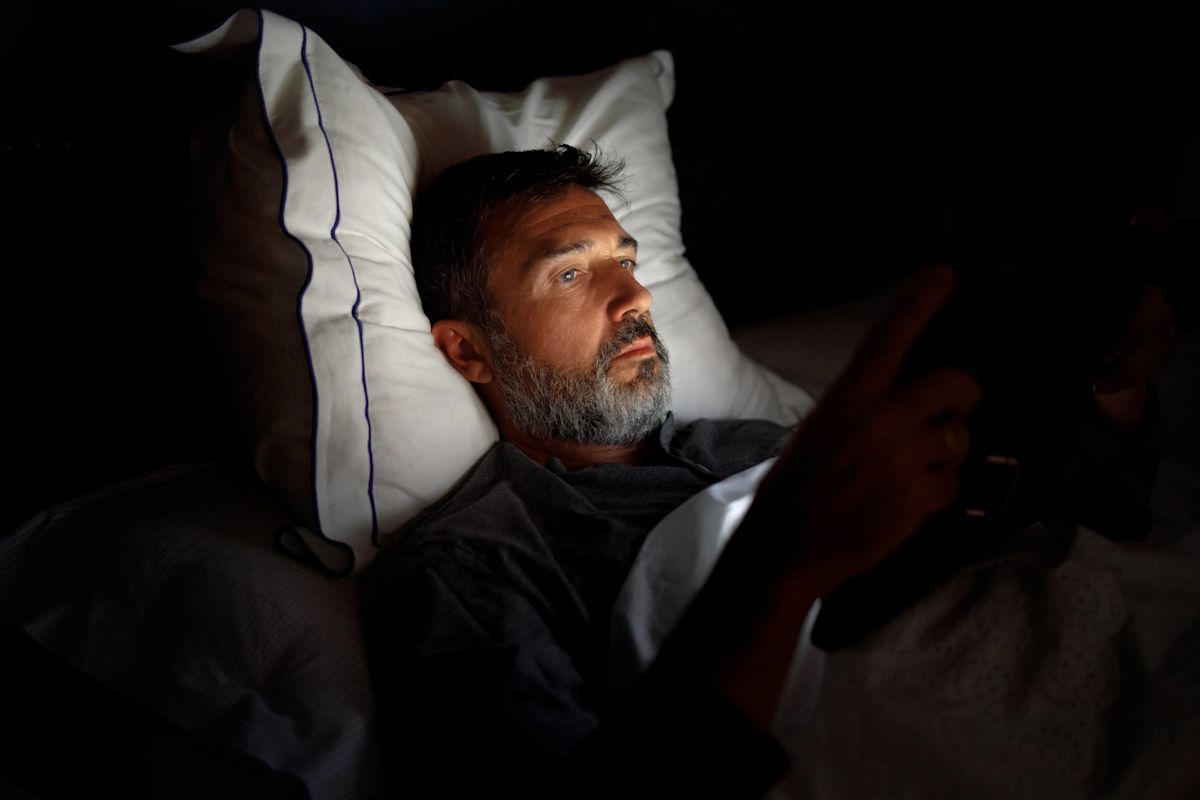
A recent study published in Nature Mental Health has found that high exposure to light at night may increase the risk of major depression by 30 percent among adults. In contrast, those with ample exposure to daylight had a 20 percent lower likelihood of experiencing major depressive symptoms. The research, which involved 86,772 participants, suggests that the timing of light exposure is crucial rather than the light itself.
Read More
Excessive nighttime lighting was also linked to higher rates of anxiety, PTSD, bipolar disorder, psychosis, and self-harm. Researchers noted that while daytime light strengthens circadian rhythms, nighttime light can disrupt them. Sean Cain, PhD, one of the study authors, emphasized the importance of exposure to bright light during the day and maintaining darkness at night, stating that humans spend approximately 90% of their day indoors under artificial lighting. He characterized daytime indoor light as often too dim and nighttime light too bright compared to natural cycles.
While the findings indicate a correlation between nighttime light exposure and mental health outcomes, the study is cross-sectional, meaning it identifies associations rather than establishing direct causal relationships. The average age of participants was 62.4 years, which may limit the generalizability of the findings across different age groups.
The study authors suggest that a simple yet effective approach to improve mental health could involve avoiding light at night and seeking natural light during the day. They cite recommendations from the National Heart, Lung, and Blood Institute to manage light exposure, advising increased sunlight during the day and reduced exposure to artificial light at night.
Practical measures to maintain a healthy light routine include using automated blackout shades to keep bedrooms dark at night while allowing natural light to enter in the morning. Additionally, research published in 2022 indicates that even moderate light exposure during sleep can adversely affect heart rate and insulin sensitivity the following day. Establishing a clearer contrast between day and night could bolster mental well-being and align with the body's natural rhythms.