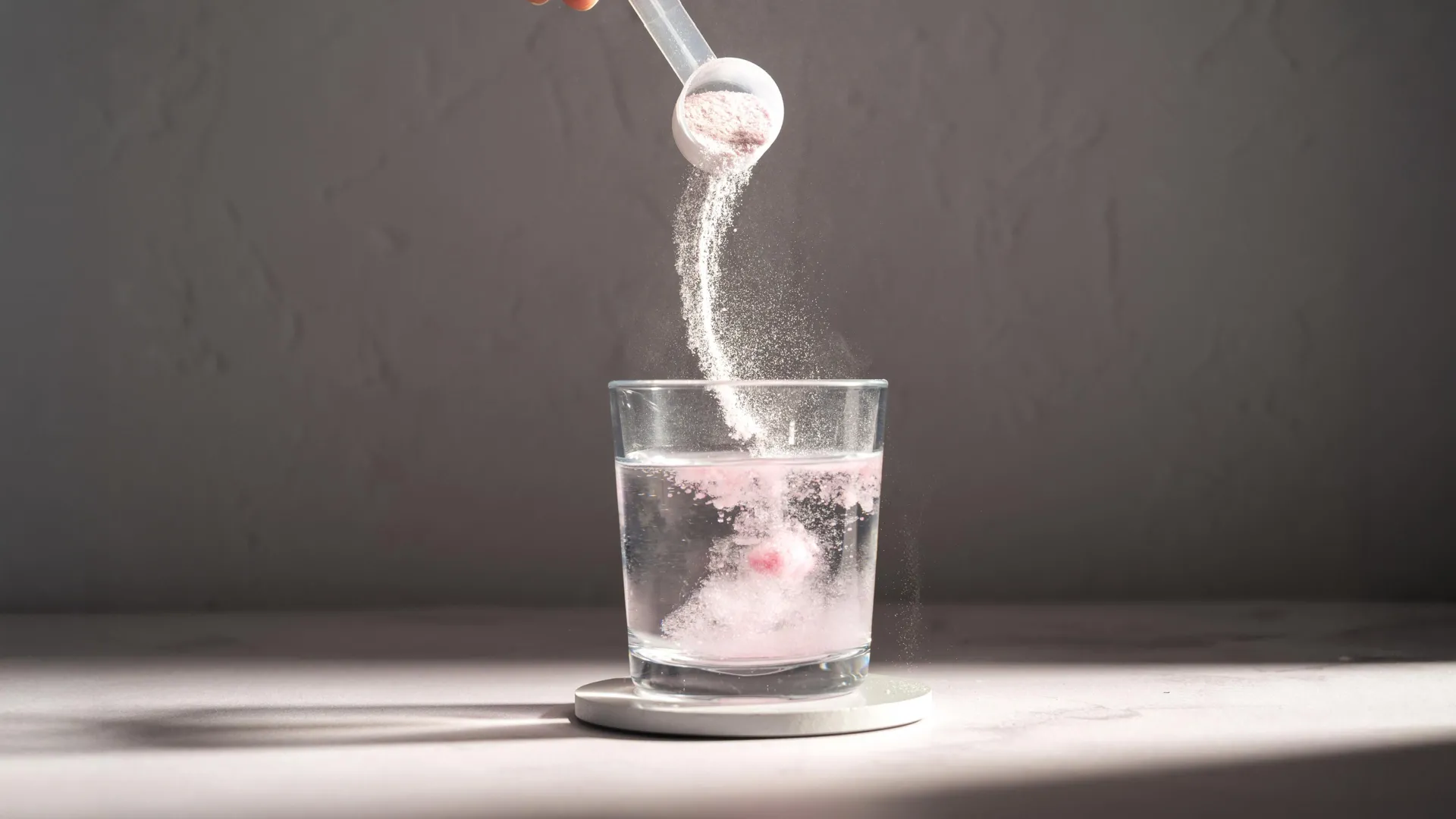
Researchers at Texas A&M University have unveiled findings indicating that creatine may aid muscle growth and strength even in the absence of an exercise regimen. This research is particularly relevant for individuals aged 45 to 65, a demographic where maintaining muscle mass is crucial.
Read More
The study, published in the Journal of the International Society of Sports Nutrition, consisted of a 12-week intervention with 64 healthy adults. Participants were divided into two groups: one followed a structured exercise and diet program, while the other remained inactive. Each group was further divided to receive either 10 grams of creatine monohydrate or a placebo daily.
Among those who did not engage in the exercise program, participants taking creatine saw an increase of about 2.4 pounds in lean tissue over the 12-week period and improved their leg press and bench press strength. In contrast, the non-exercise group receiving the placebo showed no significant gains.
For those participants who engaged in the exercise program, which included both resistance and aerobic training three times a week, the addition of creatine resulted in even greater strength gains and improved performance metrics. However, creatine did not enhance aerobic capacity beyond the benefits gained from exercise itself, aligning with previous research indicating that creatine primarily enhances muscular strength and power.
Another critical aspect of the study explored how to minimize fat loss while preserving muscle mass. In the exercise group, which was on a calorie-reduced diet, participants taking creatine gained nearly three pounds of lean tissue while losing fat mass. Those taking placebo showed minimal changes in lean tissue, highlighting that creatine can significantly improve body composition during weight loss.
Dr. Richard Kreider, the study’s lead researcher and director of the Exercise and Sport Nutrition Lab at Texas A&M, noted that the findings contribute to growing understanding of creatine’s benefits across different life stages, particularly in preventing age-related muscle loss and cognitive decline. Kreider emphasized that while the body produces creatine naturally and obtains it from foods like meat and fish, many may not consume sufficient amounts—requiring supplementation to reach effective levels.
The study was supported by the WoodNext Foundation through the Texas A&M Foundation, reinforcing creatine's status as one of the most researched nutritional supplements with a strong safety profile.