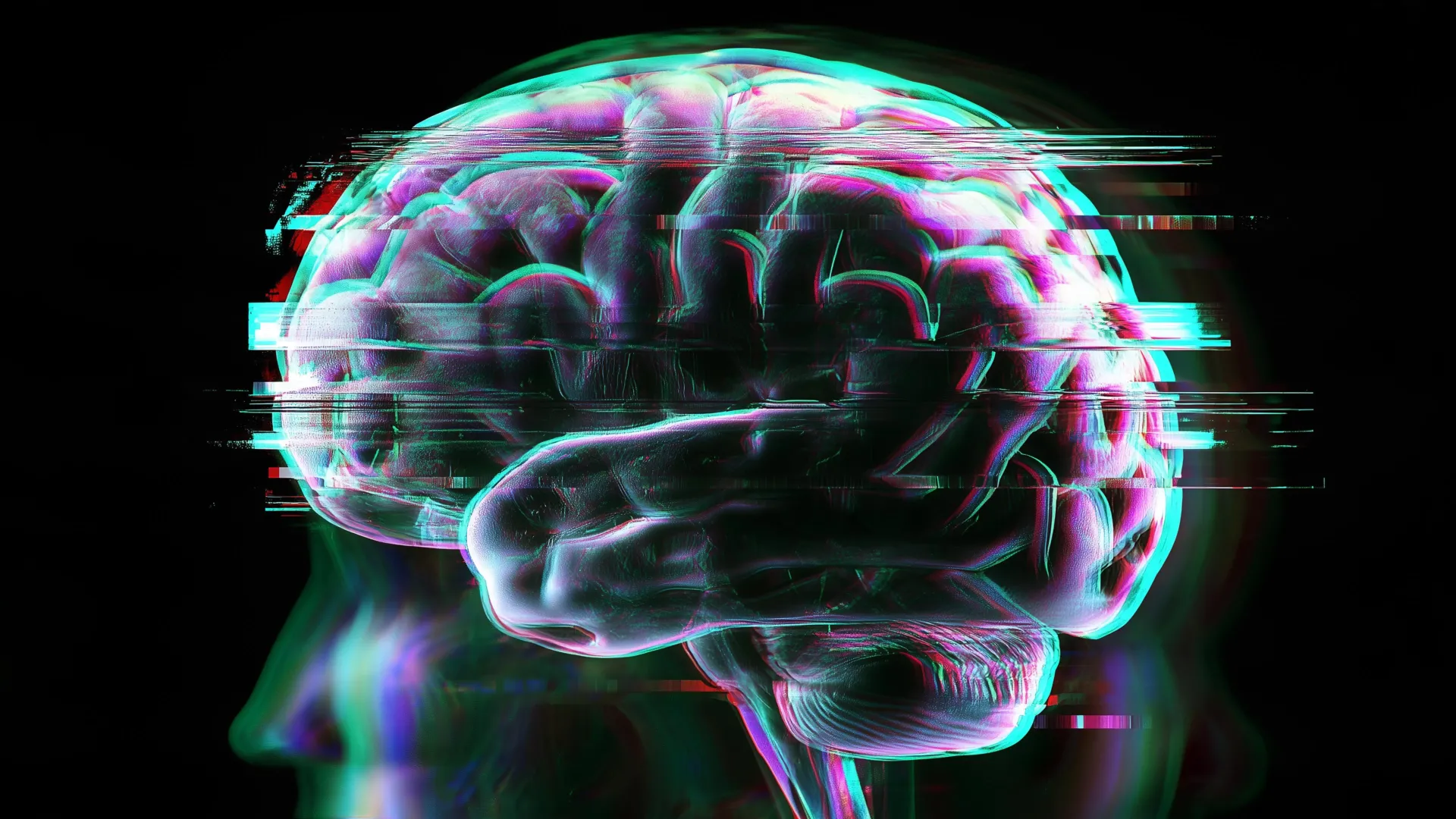
Research from the University of Helsinki has revealed significant variability in brain activity among individuals diagnosed with major depressive disorder. The study involved 263 participants with depression and 75 healthy individuals, focusing on how different brain regions communicate.
Read More
The findings showed that individuals with the same diagnosis can display drastically different brain activity patterns. While some exhibited strong communication between brain regions, others demonstrated weaker connectivity, correlating with different symptoms.
Depression, affecting around 332 million adults worldwide according to the World Health Organization, is a significant health issue. In Finland, it is the primary cause of extended sick leave and disability pensions.
The researchers categorized participants into five distinct groups based on their brain connectivity profiles:
Group 1 exhibited strong connectivity, which was linked to severe symptoms including heightened depression, anxiety, and difficulties with daily functioning.
Group 2 displayed relatively weak connectivity and milder depressive symptoms compared to others.
Group 3 demonstrated widespread weak connectivity with notable PTSD symptoms.
Group 4 combined both strong and weak connectivity across brain regions, leading to severe depression, substance abuse issues, and low well-being.
Group 5 had the strongest connectivity overall, with pronounced substance abuse problems, while trauma-related symptoms were less common.
All groups distinguished themselves from the control participants not only in connectivity strength but also in the specific brain regions involved and the frequencies of activity synchronization.
Using magnetoencephalography (MEG), scientists measured brain activity with extraordinary precision, capturing dynamic changes that are often missed by slower imaging techniques. This ability to track quick electrical signals may enhance the understanding of how brain function relates to individual experiences of depression.
The implications of this research could influence future mental health treatment. While the study's authors caution that their findings are not yet applicable for clinical decision-making, they highlight the potential for brain activity patterns to inform personalized treatment strategies, potentially improving outcomes for patients by reducing the trial-and-error approach currently common in depression therapies.
The collaborative study also involved Aalto University and Helsinki and Uusimaa Hospital District (HUS).