A recent study explored the connection between biological lifestyle factors (BLFs), including physical activity, sleep, and nutrition, and cognitive performance among 1,131 young and middle-aged adults. Although many previous studies suggested that these factors influence cognitive abilities, findings from this research indicate that they do not serve as significant predictors in this demographic.
Read More
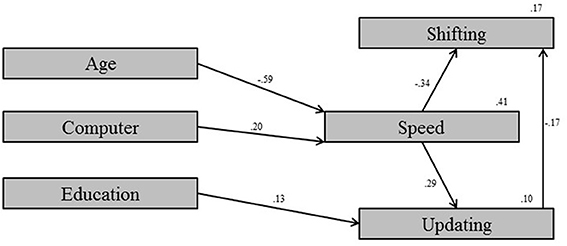
The study utilized a path analysis to evaluate the effects of sedentary behavior, sleep duration, sleep quality, breakfast consumption, fish intake, and caffeine consumption on cognitive performance. Participants provided data through surveys, and their cognitive abilities were assessed using standardized cognitive tests.
Results showed that while a cohesive model was created with a satisfactory fit (χ2/df = 0.89, CFI = 1.00, RMSEA < 0.001, SRMR = 0.022), only sedentary behavior emerged as a slight predictor, specifically for processing speed. The positive relation indicated that higher sedentariness correlated with better outcomes on processing speed tests, though the influence was minimal and somewhat unclear. Other factors, including physical activity, sleep quality, and nutritional habits, did not show significant predictive capability regarding cognitive performance.
The finding challenges existing claims about the importance of these lifestyle factors in cognitive functioning among adults, particularly in light of the study's diverse data set and robust analytical approach. This research underscores the need for further investigation into the specific types and contexts of physical activity and sedentary behavior and their distinct impacts on different cognitive functions.
The study, part of the Adult Learning Open University Determinants (ALOUD) project, highlights the complexities surrounding lifestyle factors and cognitive performance and emphasizes the necessity for targeted research in this area.