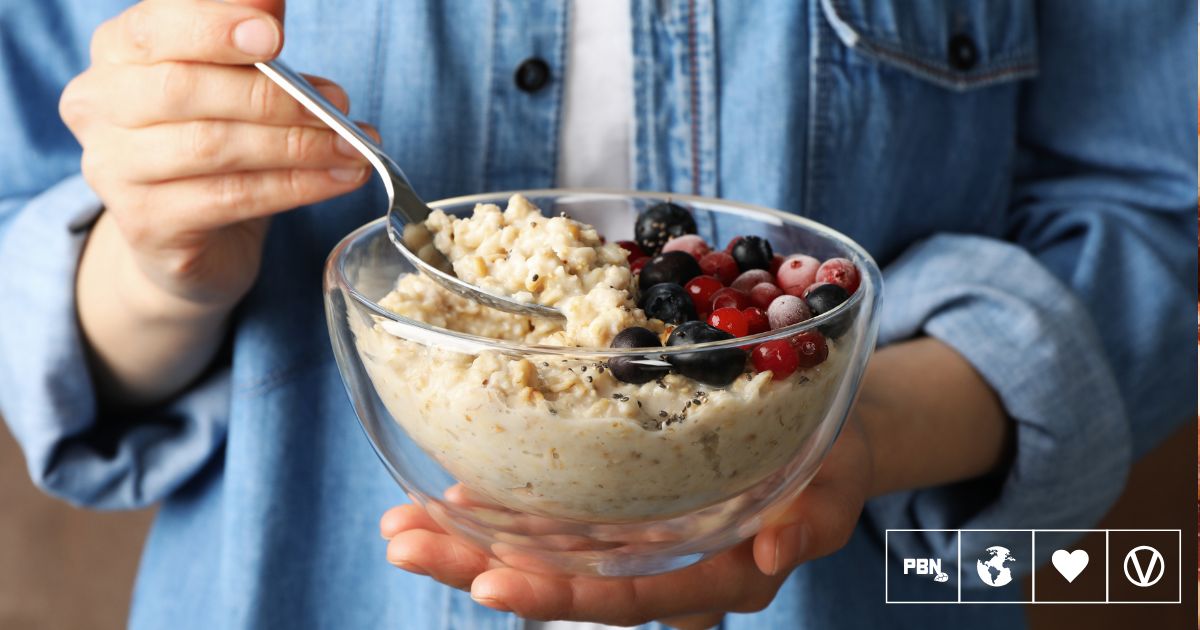
Oatmeal, long praised for its health benefits, has recently faced criticism from a segment of social media that labels it as potentially harmful. Various influencers assert that oats may cause higher blood sugar levels than white sugar, deplete minerals, harm gut health, contribute to weight gain, or even claim it as "the biggest scam on Earth."
Read More
Mic the Vegan, a YouTube creator known for evaluating nutrition claims, addresses these controversies in his video titled "The War on Oatmeal vs The Science on Oatmeal." He utilizes randomized controlled trials and meta-analyses to assess the validity of the claims against oatmeal, ultimately concluding that it remains a nutritious option.
Among the established benefits of oatmeal is its beta-glucan fiber, which has been linked to lower LDL cholesterol levels. While some critics argue the effect is minimal, Mic cites studies showing a significant reduction in LDL levels. He references one crossover study where an intake of 3 grams of beta-glucan resulted in a 15% reduction in LDL after eight weeks, indicating a strong cardiovascular benefit from consuming whole grains like oats.
Mic also challenges the notion that oatmeal causes severe blood sugar spikes, particularly in people with insulin resistance or type 2 diabetes. He refers to a small pilot study that indicated a decrease in average blood glucose levels, as well as a meta-analysis that noted significant improvements in post-meal blood sugar and long-term hemoglobin A1C levels.
Differentiating between types of oatmeal, he stresses the importance of choosing less processed options, such as rolled oats or steel-cut oats, rather than sugar-laden instant varieties.
Critics have also raised concerns about compounds in oats, labeled as “anti-nutrients,” such as phytates and lectins. Mic argues that these critiques lack context, as phytates may even possess anticancer properties and can break down significantly during digestion. He asserts that cooking oats dramatically reduces the lectins, making them a non-issue for cooked oatmeal.
Regarding gluten, Mic explains that while avenin in oats can resemble gluten, it is generally safe for most people, including those with celiac disease, as long as the oats are uncontaminated. Furthermore, he mentions that glyphosate levels in oats have declined since 2018, particularly in organic products, easing concerns about pesticide residues.
Mic also addresses the narrative that oats contribute to weight gain, countering it with findings from a meta-analysis showing that participants consuming oats showed improvements in body mass index (BMI) and waist circumference, alongside reductions in cholesterol and glucose levels.
He tackles the assertion that humans should not eat oats due to historic dietary patterns by citing archaeological evidence of wild grains being processed as far back as 30,000 years ago. The evidence suggests that ancient diets likely incorporated some form of oats, indicating their suitability for human consumption.
Mic posits that the backlash against oatmeal is part of a larger trend on social media that often vilifies plant-based foods and carbohydrates. He emphasizes through research that oats are beneficial for various health metrics including cholesterol, blood sugar, gut health, and body weight.
In conclusion, while individual dietary needs may vary, the scientific evidence supporting the health benefits of oatmeal is significantly stronger than the claims suggesting it is harmful.