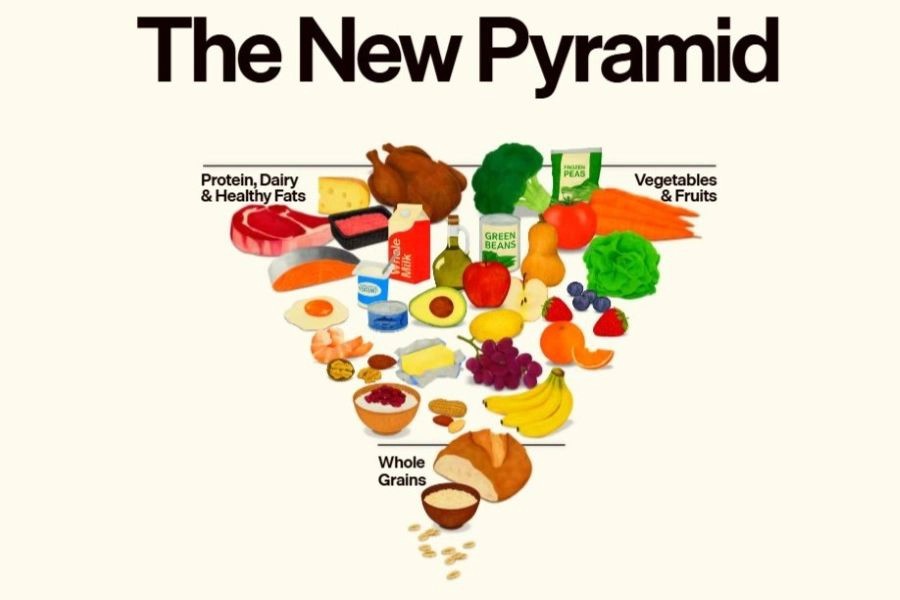
The U.S. has unveiled the Dietary Guidelines for Americans 2025–2030, the first major overhaul of nutrition policy in decades. The guidelines emphasize that improved health starts with choices made at mealtime rather than relying solely on medications.
Read More
Health and Human Services (HHS) Secretary Robert F. Kennedy, Jr. advocates for prioritizing nutrient-dense foods while significantly cutting down on highly processed foods. He states, "This is how we Make America Healthy Again." USDA Secretary Brooke Rollins supports this, mentioning the need to align the food system with support for American farmers and producers of real food, which include more protein, dairy, vegetables, fruits, healthy fats, and whole grains at dinner tables.
Despite the intentions, some nutrition experts criticize the guidelines for their scientific foundation, asserting they overlook some advisory committee proposals. The updated recommendations suggest prioritizing protein at every meal, consuming full-fat dairy without added sugars, and eating fruits and vegetables daily. They also encourage healthy fats from whole foods and recommend minimizing refined carbohydrates while increasing whole grains. Processed foods, added sugars, and artificial flavors are advised against, and while hydration should focus on water and unsweetened beverages, there is no explicit alcohol limit.
These guidelines aim to provide tailored nutritional advice for various groups, including infants, pregnant women, and those with chronic diseases. However, the emphasis on protein and saturated fats has sparked debate. Approximately 90% of U.S. healthcare spending is linked to preventable chronic diseases, with over 70% of Americans overweight or obese, raising concerns about the implications for military readiness and eligibility.
Critics including the Physicians Committee for Responsible Medicine argue that the recommendations inadequately address the role of saturated fats, primarily sourced from dairy and meat, which are linked to severe health issues. They advocate for increased plant-based protein consumption instead.
Additionally, the Center for Science in the Public Interest (CSPI) contends that promoting animal protein and full-fat dairy contradicts existing saturated fat limits and previous advisory committee recommendations designed to mitigate cardiovascular disease risks. CSPI president Dr. Peter G. Lurie criticizes the guidelines for misrepresenting healthy fats and potentially misleading the public.
There is a call for updating the guidelines to reflect a more comprehensive understanding of nutrition. Suggestions include acknowledging the nutritional viability of vegetarian and vegan diets, emphasizing that certain processed foods can be healthful, and recommending water instead of milk based on health concerns.
Meanwhile, the Council for Responsible Nutrition (CRN) supports the inclusion of dietary supplements in the guidelines to help Americans meet their nutritional needs, especially as deficiencies in key nutrients have been documented.