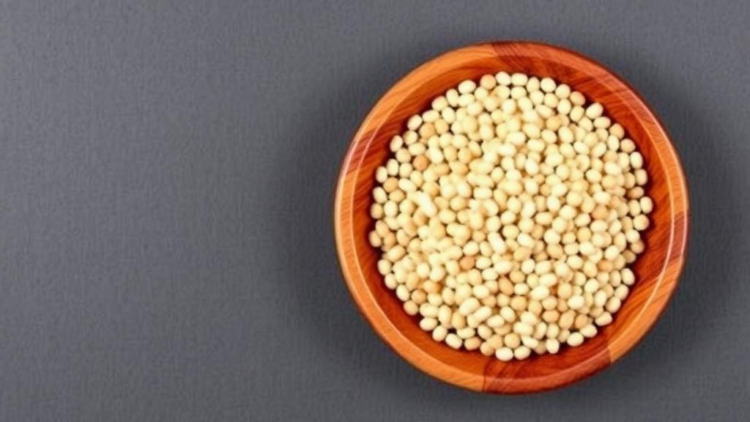
A systematic review of randomized clinical trials has shown that efforts to transform individuals who cannot produce equol—a key metabolite derived from soy isoflavones—into producers have largely failed. Published in Food Science & Nutrition, the review analyzed twelve trials involving 730 participants and found no significant results in converting equol nonproducers.
Read More
Equol is created by gut bacteria from daidzein, a major isoflavone found in soy. It acts as a selective estrogen receptor-beta agonist with superior antioxidant properties and the ability to cross the blood-brain barrier, offering potential neuroprotective effects. However, global production rates of equol vary, with approximately 70 percent of East Asians producing it compared to only 20 to 30 percent of individuals in Western nations. This discrepancy may explain the mixed outcomes in trials conducted in Europe and the U.S., contrasting with observational studies in East Asia that link equol to positive health effects.
The review indicated that equol producers in East Asian groups demonstrate lower rates of aortic calcification, coronary heart disease, and stroke, along with improvements in serum triglycerides and vascular health. A study of Chinese adults identified that equol producers had more diverse gut microbiota that produced beneficial short-chain fatty acids, implying that equol production may signify a healthier gut system rather than merely a pharmacological characteristic.
Following PRISMA guidelines, the researchers assessed data from various medical databases and narrowed their selection to twelve eligible randomized trials. Most focused on women, particularly postmenopausal women, with interventions including soy isoflavones alone or combined with probiotics. However, the results were universally null regarding conversion rates, with no improvement in producer status observed in trials lasting from ten weeks to over two years.
The authors noted that these failures stem from the complex dynamics of the gut microbiome. Equol production relies on specific anaerobic bacteria, and the probiotics used in the trials did not convert daidzein to equol. Studies have shown stable equol-converting bacteria present in producers and nonproducers, suggesting that additional factors within the gut ecosystem influence conversion efficacy.
Interestingly, equol production may not be a static trait. In the Women’s Isoflavone Soy Health trial, noticeable shifts in producer status occurred among participants, and another study indicated fluctuating producer statuses in a sizeable percentage of Japanese adults. Stable producers showed greater microbiota diversity compared to unstable producers, suggesting that a supportive gut microbiome may be crucial for health benefits.
The review also highlighted methodological concerns, as only four of the trials effectively assessed baseline producer status and measurement techniques varied broadly. Most trials were conducted in Western populations without comprehensive microbiome analyses before and after treatment, which is critical to understanding the interventions’ impacts.
While negative findings have emerged, some nonrandomized studies indicate that prolonged, high-dose soy consumption may lead to successful conversion of nonproducers. For example, one trial reported that 40 percent of nonproducers converted after consuming a liter of soymilk daily for 16 weeks. Additionally, vegetarian groups in the West produce equol at rates closer to those of East Asians, likely due to their fiber-rich diets promoting beneficial gut bacteria.
The authors concluded by proposing future trials that incorporate a broader participant demographic, longer treatment durations, and improved methodologies to track equol-converting bacteria in their analyses. They emphasize the importance of understanding the complex microbial environment to unlock the potential benefits of equol for Western adults.