Anxiety disorders are the most prevalent mental health issues among children and adolescents. If left untreated, these disorders can significantly impact the lives of both kids and their families. Fortunately, with appropriate interventions, many children can overcome these challenges. Researchers at the Yale School of Medicine are exploring anxiety from various angles, ranging from typical anxious behaviors to molecular biomarkers in the brain, in an effort to develop new, evidence-based treatments.
Read More
Cognitive behavioral therapy (CBT) is currently the standard treatment for childhood anxiety disorders. This psychotherapeutic approach equips children with skills to face anxious thoughts and manage anxiety-inducing situations. Despite being effective, up to 50% of children may not benefit significantly from CBT alone. Wendy Silverman, PhD, co-director of the Anxiety and Mood Disorders Program, and Eli Lebowitz, PhD, are focused on improving outcomes beyond CBT.
Silverman's research highlights two critical aspects of parental involvement that can enhance CBT results for children: preventing the complete avoidance of anxiety-inducing situations and promoting greater autonomy for the child. She cautions that parents may inadvertently reinforce anxiety by allowing avoidance and being overly intrusive in their children's lives. “One of the things that we take pride in is that we’ve focused on trying to understand what parents need to do,” Silverman stated.
To address these challenges, Lebowitz developed the Supportive Parenting for Anxious Childhood Emotions (SPACE) program, which shifts the focus entirely to parental behavior, without involving the children during sessions. For instance, parents learn how to deliver supportive messages that affirm their child's ability to manage distress. By helping parents identify and change specific accommodating behaviors, SPACE aims to bolster the effectiveness of CBT.
Research on SPACE currently emphasizes its application with parents of children under 14, but ongoing studies are examining its effectiveness with older adolescents. Rebecca Etkin, PhD, noted that anxiety and the need for parental accommodation can hinder typical developmental progress in teenagers.
Access to CBT is often limited due to geographical barriers and service availability. To improve reach, Silverman's team is creating a digital intervention designed for parental use through computers and smartphones, making it one of the few evidence-based digital parenting interventions aimed at addressing childhood anxiety.
Silverman and Lebowitz have recently received funding to develop additional interventions targeting various anxiety-related issues, such as restrictive eating and unexplained somatic symptoms. They are also investigating the dual nature of social media, exploring both its risks and potential to foster connections among anxious teens.
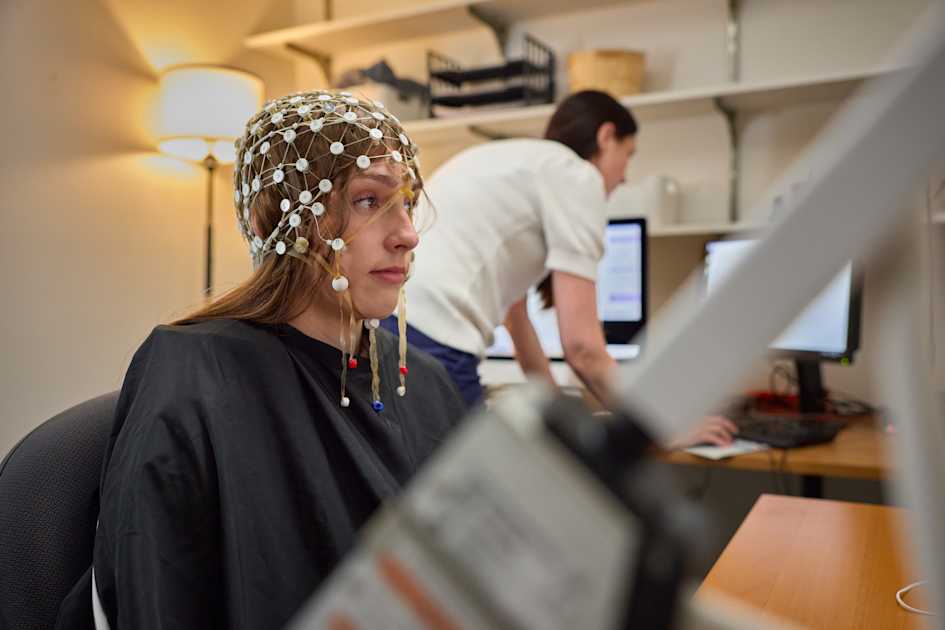
Neuroscientific studies are furthering the understanding of anxiety at the molecular and neurological levels. Partnering with Dylan Gee, PhD, and Hilary Blumberg, MD, researchers are utilizing brain imaging to observe neurological changes in children participating in SPACE. Initial findings indicate that after completing the program, children's brains improve their ability to regulate anxiety without parental presence, illustrating a shift towards greater self-regulation.
Recent discoveries regarding the role of fibroblast growth factor 2 (FGF2) in mitigating stress vulnerabilities have emerged. This protein's levels in children are linked to their risk of anxiety and depression, suggesting a potential target for treatment.
Michael Crowley, PhD, focuses on the role of attention in anxiety, designing interventions like attention retraining to help children shift their focus away from threats. Crowley has developed engaging tasks for studying anxiety responses, including a virtual game to measure children's reactions to ambiguous and direct threats.
Exploring the genetic underpinnings of anxiety, Thomas Fernandez, MD, and Emily Olfson, MD, PhD, are investigating de novo mutations—genetic changes present in children but absent in their parents—as potential risk factors for anxiety disorders. Their ongoing research aims to gather insights on how genetic variations contribute to pediatric anxiety.
Additionally, advanced studies are revealing distinct genomic differences related to specific anxiety disorders. Joel Gelernter, MD, is involved in research that connects genetic factors with the nervous system's regulatory functions, illuminating pathways that existing anxiety medications target.
John Krystal, MD, is delving into the neurobiology of anxiety disorders and is investigating how treatments like ketamine may be beneficial for anxiety patients. He argues that the field could greatly benefit from biological testing, akin to diagnostic practices in other medical disciplines, to inform treatment decisions.
These research efforts reflect a holistic approach to understanding anxiety in children and adolescents, providing avenues for more effective treatment strategies.