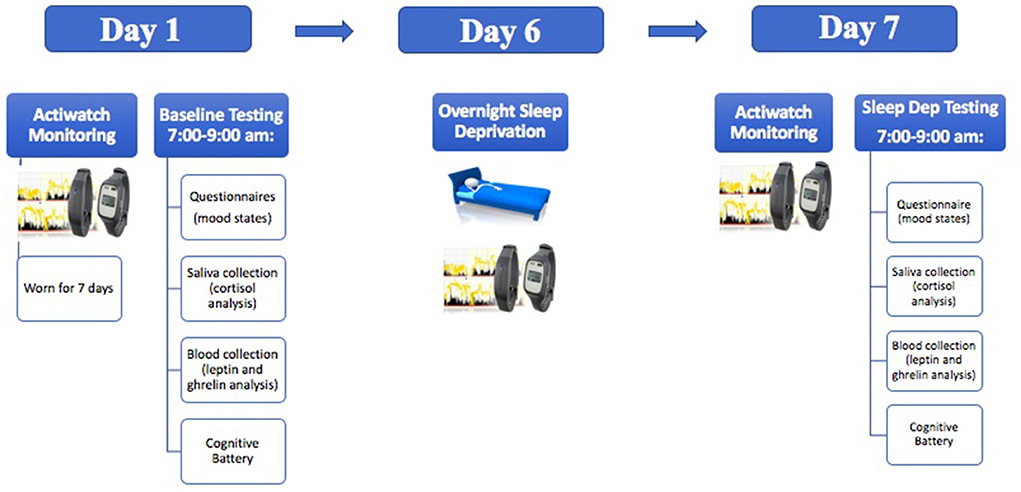
A recent study investigated the effects of 24 hours of sleep deprivation on various physiological and psychological factors in young healthy adults. Chronic sleep deprivation is known to impact cognitive performance, mood, inflammation, and stress hormones, but the effects of acute deprivation are less well understood. The study included 23 participants, with a mean age of 20.78 years, who completed various health questionnaires and underwent sleep monitoring. Participants provided saliva and blood samples to measure levels of cortisol, leptin, ghrelin, and inflammatory cytokines such as IL-1β and IL-6.
Read More
Results indicated that acute sleep deprivation significantly increased negative emotions, including anxiety, fatigue, confusion, and depression, while simultaneously increasing inflammation and decreasing morning cortisol levels. Cognitive measures revealed deficits in vigilance and heightened impulsivity. The findings suggest that even short-term sleep deprivation can lead to systemic changes affecting health and emotional well-being.
The study highlights sleep's critical role in maintaining overall health, particularly its impact on the immune system, metabolic processes, and psychological states. The results emphasize the need for further research to better understand how sleep deprivation affects biological markers and to develop interventions that may mitigate its adverse effects. Given that poor sleep health is common in various professional settings and among the general population, addressing sleep issues could lead to improved health outcomes.