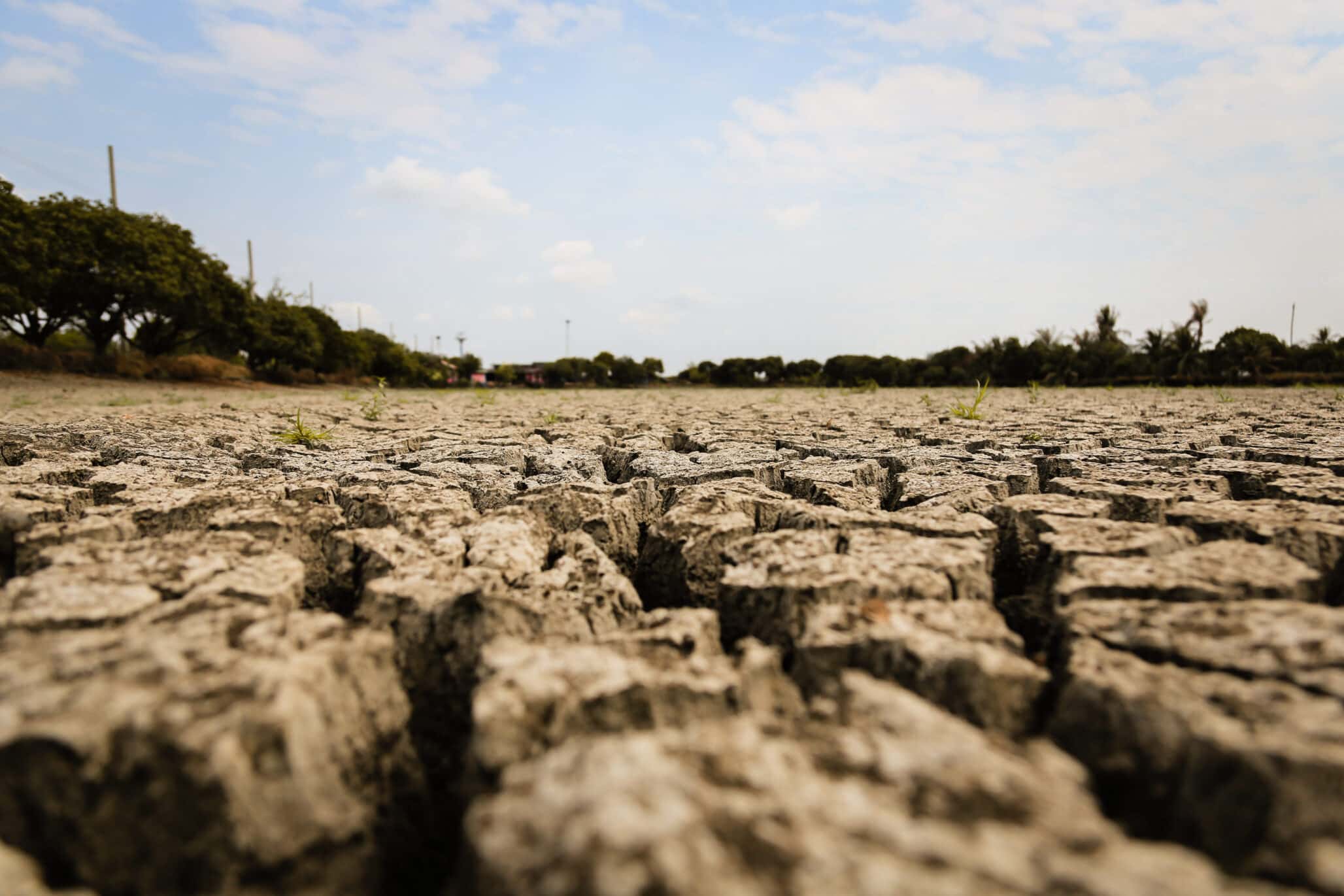
A review by researchers from Ghent University and international collaborators, published in Nature, underscores the urgent need for crops that yield higher outputs while simultaneously enhancing nutrition and climate resilience.
Read More
Climate change is impacting not just food production quantities but also the nutritional value of crops. The review focuses on how genetic technologies can cultivate crops that are more nutritious and better equipped to endure climate-related stressors.
The findings stem from extensive research conducted at Ghent University aimed at improving the nutritional quality of food crops. The authors stress the necessity of integrating nutrition, yield, and climate resilience in agricultural practices.
More than two billion individuals globally suffer from a lack of essential vitamins and minerals, a situation referred to as hidden hunger. This occurs when people consume sufficient calories but are still deficient in vital nutrients critical for healthy development. Staple crops, including rice, wheat, maize, potatoes, and cassava, constitute the basis of many diets, providing energy yet often lacking adequate nutritional content to prevent deficiencies.
The review asserts that climate change poses additional hurdles by diminishing the nutritional value of key food crops, according to a press release.
Professor Dominique Van Der Straeten, along with other experts, explores scientific avenues for breeding crops that are not only richer in vital nutrients but also resilient to challenges such as drought, heat, and salinity caused by climate change. Emeritus Professor Marc Van Montagu, a noted figure in plant biotechnology, is also a co-author.
The researchers contend that future agricultural practices must achieve the triad of sufficient food production, enhanced nutritional quality, and improved crop resilience.
“Future crops must combine higher yields with better nutritional quality and greater resilience to drought, heat, and other consequences of climate change,” says Professor Van Der Straeten.
The review further discusses how advancements in genetic technologies like CRISPR-based genome editing can elevate vitamin and mineral levels within crops. These innovations enable precise modifications of plant traits that are essential for both nutrition and stress tolerance.
Nevertheless, the authors emphasize that reliance on a single technology will not resolve the issue. They advocate for a combination of conventional breeding, biotechnology, and genome editing, tailoring these methods to specific crops, regions, and growing conditions.
The review highlights an aspect of food security that is often neglected: nutrition. As climate change exacerbates and the global population increases, it will not suffice to focus solely on caloric output; enhancing the nutritional quality of crops is essential for long-term health.