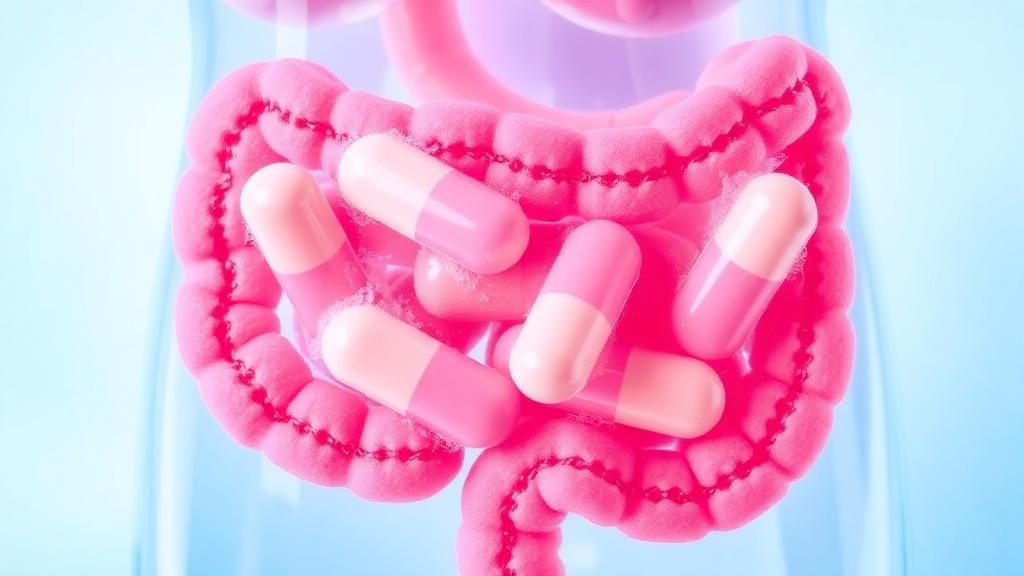
A comprehensive study from City of Hope has identified a dietary factor that may exacerbate the adverse effects of antibiotics on gut bacteria. Researchers examined thousands of hospital meals and over a thousand stool samples, discovering that patients consuming higher amounts of sugary foods while on antibiotics were more likely to experience a loss of bacterial diversity essential for gut and immune health. This study, published in Nature, indicates that dietary choices during antibiotic treatment are significant alongside the medications prescribed.
Read More
The focus of the research was on a vulnerable group: patients with blood cancers undergoing allogeneic hematopoietic cell transplantation. This treatment involves high-dose chemotherapy, often combined with radiation, which depletes the immune system before donor stem cells are introduced. Most of these patients receive broad-spectrum antibiotics to prevent infections during this critical period, which can significantly disrupt the gut microbiome by targeting multiple bacterial types indiscriminately.
While antibiotics are crucial in medical treatment, they can lead to a drastic reduction in gut bacterial diversity, allowing harmful pathogens to thrive. The reduction in diversity has been linked to poorer outcomes in cancer patients. The study suggests that dietary choices could play a role in preserving this diversity.
The research distinguishes itself by utilizing detailed dietary data collected over five years. The team tracked 9,419 meals consumed by 173 patients, recording how much of each food item was eaten. By combining this with nutritional information from the hospital kitchen, the researchers catalogued over 40,000 individual food items and monitored patients before and after their transplant procedures.
Marcel van den Brink, M.D., Ph.D., co-senior author and president of City of Hope, noted the dataset’s precision. Unlike many nutrition studies relying on patients' memories or less rigorous surveys, this study utilized real-time dietary records, revealing patterns otherwise undetectable. The research team included experts from Memorial Sloan Kettering Cancer Center and NYU’s Grossman School of Medicine.
Using advanced statistical models, researchers identified a consistent trend: patients consuming more sweets during antibiotic use showed a significant reduction in microbiome diversity, as aggressive bacteria often outcompeted others. Notably, Enterococcus was prevalent among these patients, correlating with an increased risk of serious complications, including bloodstream infections.
The study quantified the effect, showing a 24 percent decrease in bacterial diversity for every additional 100 grams of sugar consumed, an amount comparable to a large milkshake. This interaction suggested that high sugar intake may compound the damage inflicted by antibiotics on the gut’s microbial landscape.
To confirm these findings, the researchers conducted animal studies with healthy mice receiving broad-spectrum antibiotics and different diets. Mice on a high-sugar diet exhibited increased Enterococcus growth, mirroring human patient data. Importantly, mice on a sugar diet without antibiotics maintained normal bacterial diversity, indicating that the harmful interaction occurred only with both factors present. Van den Brink emphasized the need for clinical trials to explore whether reducing sugar intake during antibiotic treatment could better protect the microbiome.
These insights extend beyond transplant wards, as the gut microbiome plays a crucial role in cancer treatment outcomes. Food choices can greatly impact recovery, prompting a reevaluation of high-sugar foods that hospitals often provide to patients.
The findings also suggest rethinking antibiotic stewardship, traditionally focused on limiting antibiotic use to combat resistance. The study indicates a need to consider how different antibiotics impact gut microbiomes, encouraging patients to discuss antibiotic options with healthcare providers. While it may be premature to recommend that all patients on antibiotics avoid sugar entirely, limiting sugar intake poses no known risks and may be beneficial. The research was supported by several esteemed institutions and underscores an evolving view of nutrition as a key component of patient care.