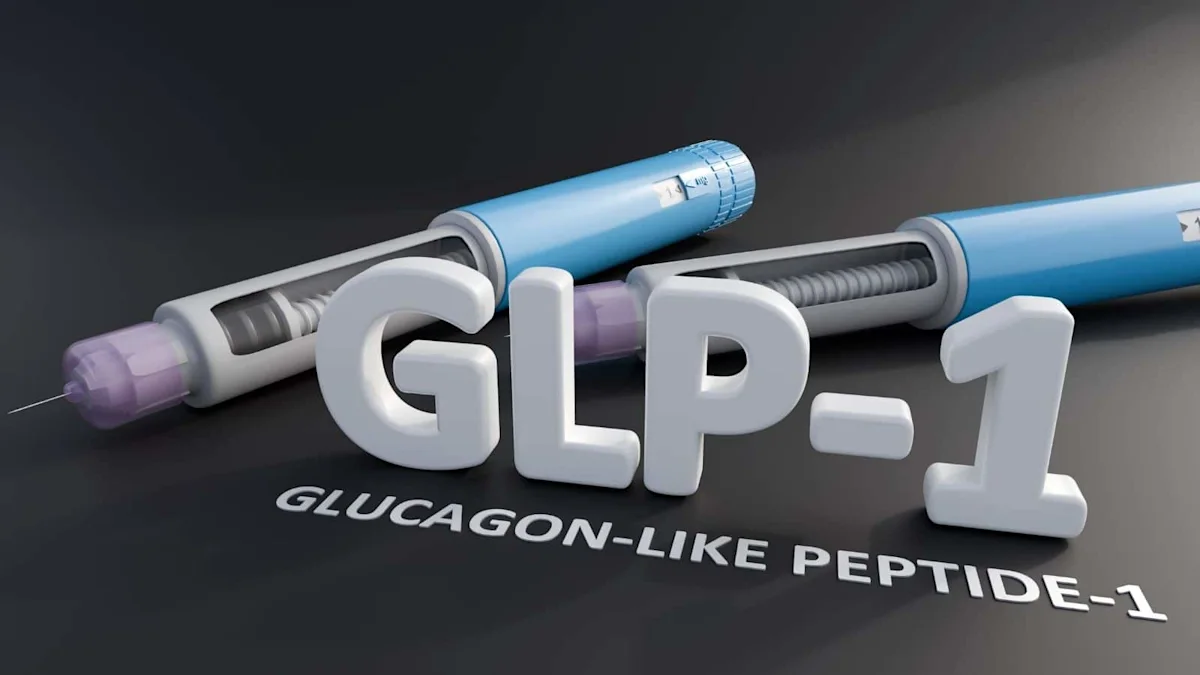
A recent study highlights potential nutritional deficiencies in children prescribed GLP-1 medications, which are commonly used for weight loss, prediabetes, and type 2 diabetes. Researchers at Ann & Robert H. Lurie Children's Hospital of Chicago analyzed national health-claims records from 2017 to 2022, focusing on patients aged 10 to 17 who started these drugs. The study raises concerns about whether families receive adequate nutritional support in a timely manner.
Read More
Published in the journal *Childhood Obesity*, the study reviewed claims data from over 100 million patients, identifying 2,031 young individuals prescribed a GLP-1 drug, with an average age of 15. Among them, 62.6% had obesity. Within one year of starting treatment, 341 children were documented with a nutritional deficiency or related complication, amounting to nearly one in six. Alarmingly, 207 children, or 10.2%, received diagnoses within the first six months.
Vitamin D deficiency was particularly prevalent, affecting 12.4% (252 children). Nutritional anemia was identified in 1.55% (31 children), while iron-deficiency anemia was documented in 1.44%. The authors stress the importance of adequate nutrients during adolescence, a critical time for growth and bone development. Senior author Justin Ryder, PhD, emphasized that deficiencies in essential nutrients can have lasting effects on overall health and development.
The study also examined the timing of nutritional counseling. Only 5% of patients received a nutrition counseling visit within 30 days of starting treatment, which increased to 23.3% after six months. On average, children who received counseling waited 149 days, overlapping with the period when nutritional deficiencies were already being diagnosed.
While the claims data provide valuable insights, they have limitations. For example, the data do not confirm whether all patients underwent standardized lab testing, nor do they show how severe the deficiencies were or the treatments provided. Additionally, the study lacked a comparison group, limiting the ability to determine whether the medications specifically contributed to the observed risks.
Notably, the study did not focus on Ozempic, as only 9.1% of prescriptions were for semaglutide; the majority were for liraglutide. The findings reflect the prescribing landscape up to 2022, which may have changed. The American Academy of Pediatrics' 2023 guidelines recommend medication combined with lifestyle changes for adolescents aged 12 and older.
The authors call for better integration of nutritional therapy into the treatment plans for young patients taking GLP-1 medications, though they do not suggest discontinuing prescribed treatments. They advocate for a reevaluation of when nutritional discussions take place in relation to medication initiation.