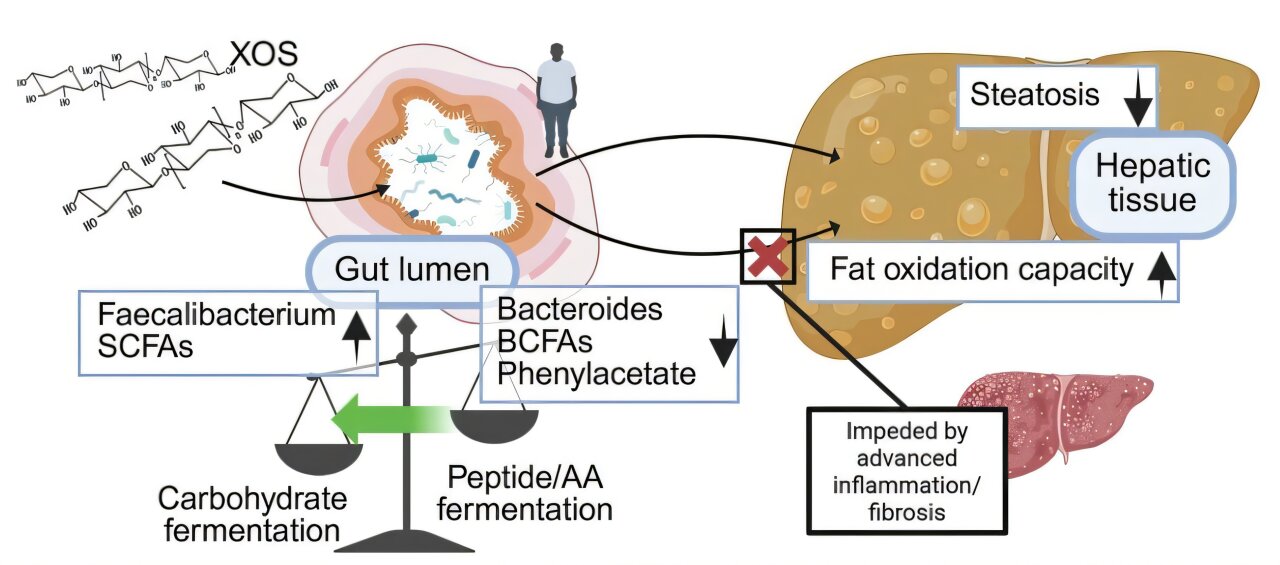
A study conducted by researchers from the University of Jyväskylä and the University of Eastern Finland has examined the impact of prebiotic xylo-oligosaccharides (XOS) on fatty liver disease in humans. The research, published in npj Gut and Liver, indicates that XOS may help reduce harmful metabolic byproducts in the gut, potentially benefiting liver health. The effectiveness of the supplement appears to depend on the composition of the gut microbiota prior to supplementation.
Read More
Metabolic dysfunction-associated steatotic liver disease (MASLD) often affects over 75% of individuals who are overweight or obese, and if left untreated, it can lead to severe conditions such as liver cirrhosis or cancer. While lifestyle changes are the primary treatment methods, adherence can be challenging, creating a need for additional therapeutic options.
In the study, 42 overweight adults took 2.8 grams of XOS daily for four months. Prebiotics like XOS are dietary fibers that bypass human digestion, thus reaching the colon to support gut microbiota balance. Researchers measured liver fat content through magnetic resonance imaging before and after the intervention.
Results showed that XOS effectively lowered levels of harmful amino acid-derived metabolites associated with liver fat accumulation. Jukka Hintikka, the study's first author and a postdoctoral researcher at the University of Eastern Finland, noted that targeting the right group can allow XOS to restore gut fermentation balance and improve liver health.
Participants with an initially imbalanced gut microbiota appeared to benefit the most from the supplement, as they exhibited decreased protein fermentation relative to carbohydrate fermentation in their guts. Additionally, a reduction in visceral fat was recorded in this subgroup. Conversely, those with more advanced fatty liver disease showed weaker or no response to the prebiotic.
This investigation is the first clinical trial focused on XOS prebiotics and their effects on liver fat. Previous animal studies have also validated the benefits of XOS in reducing fatty liver conditions in rats. Hintikka expressed that these findings could eventually lead to personalized treatments for fatty liver disease, but emphasized the need for larger, targeted studies to further validate the results.