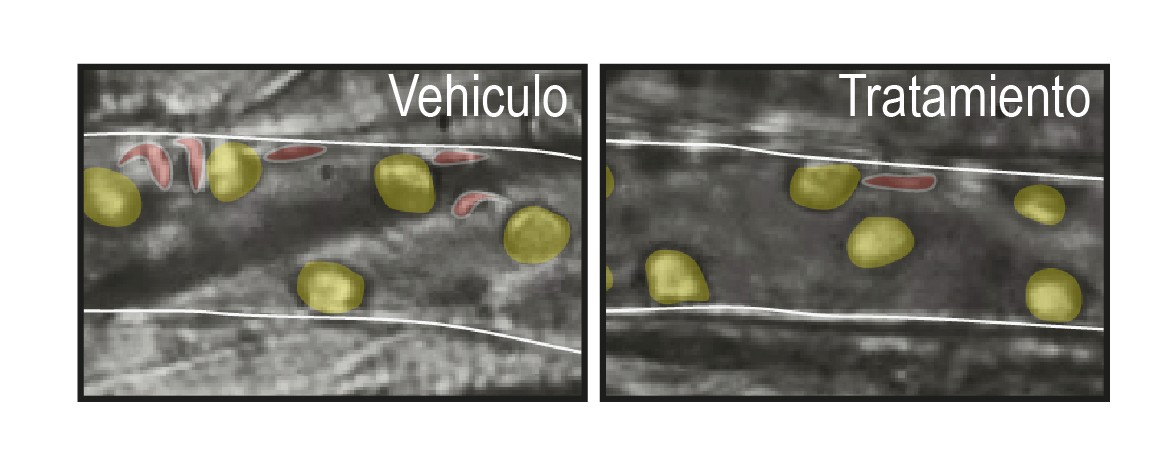
Heart attacks occurring at night tend to be less severe than those happening during the day, according to a study from the Centro Nacional de Investigaciones Cardiovasculares (CNIC). The research, published in the Journal of Experimental Medicine and led by Dr. Andrés Hidalgo, indicates that neutrophils, a type of white blood cell, possess an internal clock that modulates their aggressiveness, impacting the extent of damage caused to the heart post-attack.
Read More
The study highlights that neutrophils exhibit lower activity levels at night, correlating with reduced heart attack severity. Researchers also devised a pharmacological method to keep neutrophils in a “nighttime” state, minimizing their harmful effects during heart attacks. This approach involved a compound that mimics a body-produced factor predominantly active at night, effectively reducing neutrophil toxicity.
Dr. Alejandra Aroca-Crevillén, the study’s first author, noted that during nighttime, neutrophils are directed towards damaged areas and avoid healthy tissue, unlike their behavior during the day, which can lead to greater collateral damage.
The findings suggest that the immune system's circadian rhythms can be manipulated to control inflammation without compromising the body’s ability to fight infections. The study also showed that blocking the neutrophil circadian clock not only protects the heart but enhances responses to specific microbes and reduces embolisms associated with sickle cell anemia.
The authors point out that their research paves the way for new therapies centered on chronobiology, which could safeguard the heart and other organs from inflammatory damage while maintaining the immune system's defenses. The study was supported by various funding agencies, including Fundación La Caixa, the US National Institutes of Health, and AstraZeneca.