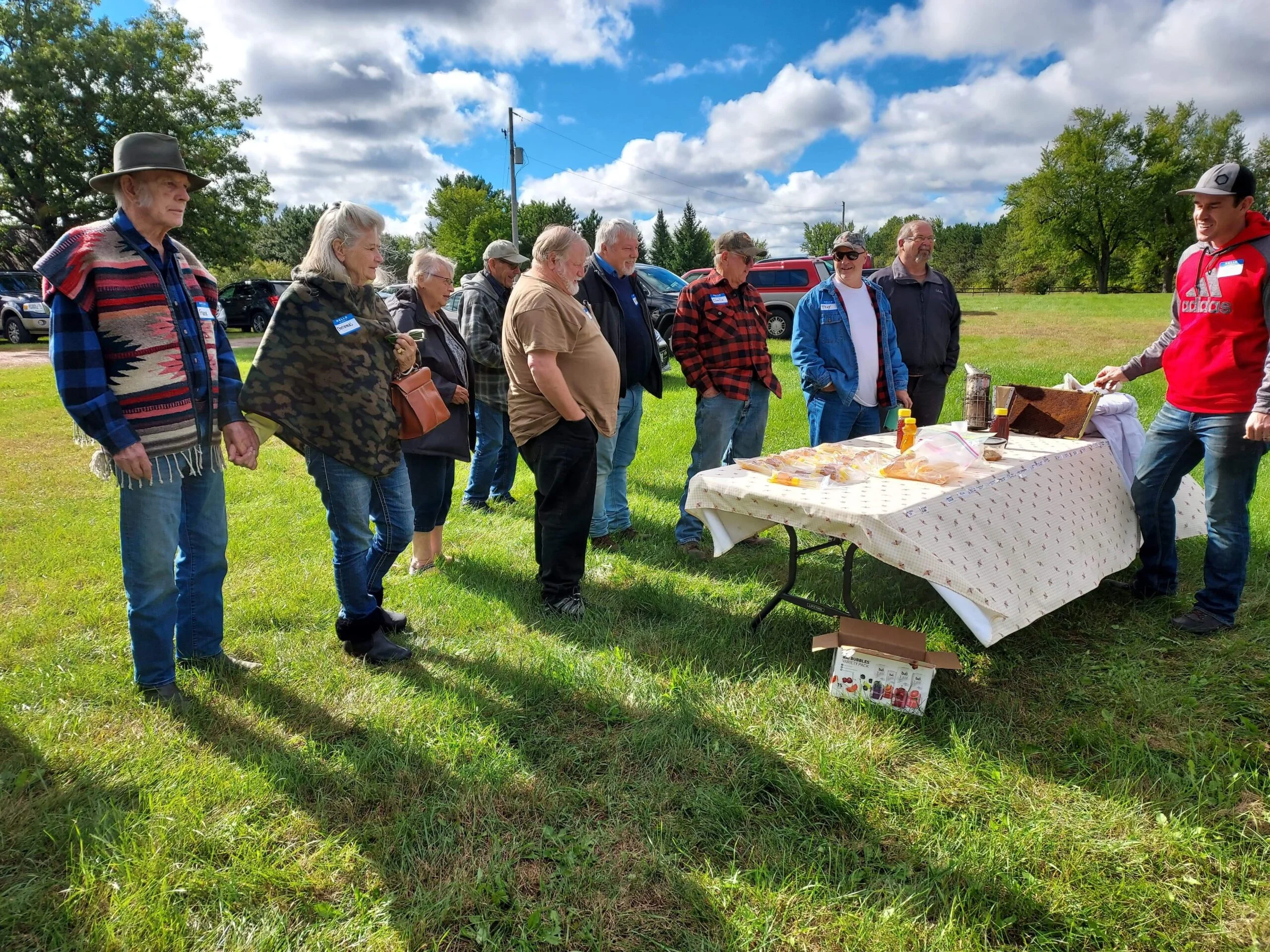
Community organizations across Wisconsin are collaborating to enhance the quality of life for the state's growing senior population, which is projected to exceed 1.5 million individuals aged 65 and older by 2040.
Read More
One major objective of these groups is to develop aging-friendly communities and foster social connections among seniors, as stated by statewide coordinators.
Sara Richie, the Life Span program manager at the University of Wisconsin-Madison’s Division of Extension, emphasized the need for communities to be supportive and inclusive for older residents. She stated, "The community groups ensure that people have an opportunity to lead fulfilling and connected lives and have access to the resources they need to age in place. They celebrate the strengths and contributions of older adults and establish the necessary infrastructure and services to meet their needs."
Suzanne Morley, health promotion program coordinator at the Wisconsin Institute for Healthy Aging, highlighted the health impacts of social isolation and loneliness among seniors. She noted, "People are definitely feeling the health impacts of social isolation and loneliness.” Aging and Disability Resource Centers, along with partner organizations, are countering this through initiatives like “senior proms,” activities at senior centers, health promotion programs, and training meal delivery drivers to engage with seniors.
The importance of social connection extends beyond emotional well-being; it significantly influences mental and physical health as individuals age. Megan Zuelsdorff, an assistant professor at the UW-Madison School of Nursing, pointed out the strong links between social interaction and health, noting that companionship makes healthy behaviors easier to adopt. She added that being socially connected can motivate individuals to engage in exercise and other beneficial activities. Furthermore, she stated that social interaction serves as a protective factor against dementia by stimulating the brain.
Gina Laack, director of the Aging and Disability Resource Center of Eagle Country’s Juneau County office, expressed concern over the vulnerability of rural areas, which often face challenges such as limited access to senior centers and transportation barriers. Laack mentioned that aging men, particularly rural white men, are at a heightened risk for loneliness and suicide, especially in farming communities. To address this, her team adapted an international initiative called “Men’s Shed,” which encourages men to converse and collaborate on projects in a comfortable setting.
In Kewaunee County, older community leaders form a group known as Mastery Makers, which focuses on combating ageism and making the county more aging-friendly. Richie noted their efforts in showcasing volunteer work through online videos.
Oconto County educators are also working to make local sporting events more accessible to seniors by collaborating with schools and volunteers to install handrails on bleachers and provide transportation services.
Additional Oconto County initiatives include a “Tech Cafe” for technology training, the “StrongBody” fitness program, and a community produce pantry. In Door County, extension educators partner with local businesses to enhance senior engagement through the Engage Door County program, aimed at encouraging older residents to participate in civic and volunteer activities.