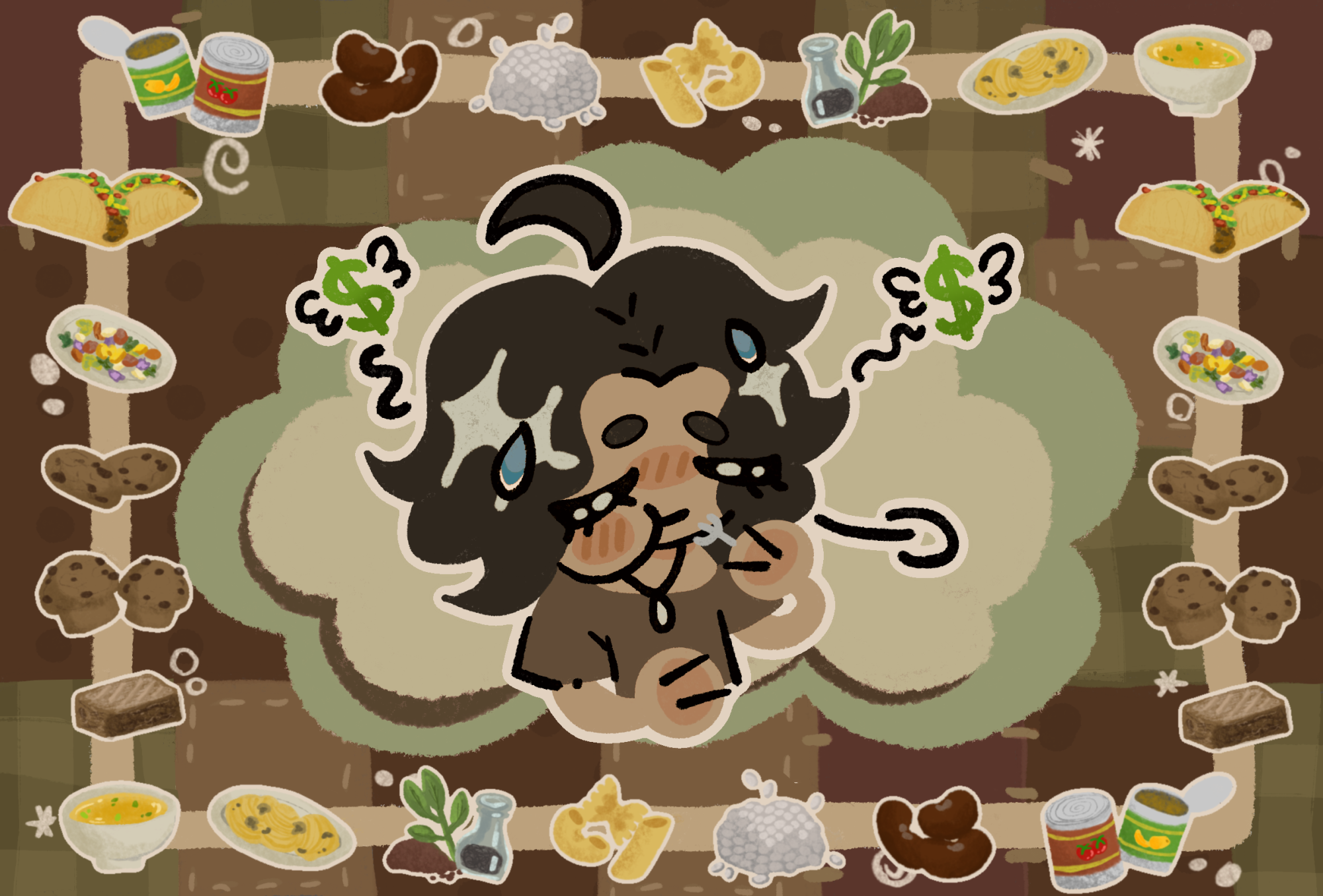
In the summer of 2019, I adopted a vegan lifestyle influenced by the 2011 film “Forks Over Knives” and the 2015 book “How Not to Die.” My initial motivation was to lose weight and lower my cancer risk. However, I have struggled to maintain my goals consistently.
Read More
Since starting at El Camino College in the fall of 2025, I have made less healthy vegan choices due to increasing food costs and time constraints. Initially, I eliminated bread and peanut butter from my diet. However, my meals evolved from mushroom pasta to plain pasta with tomatoes and seasonings, exacerbated by the closure of local discount stores.
Finding affordable, healthy vegan options has proven to be a challenge. Statista reports that about 6% of the U.S. population identifies as vegetarian and around 4% as vegan. Many who adopt these diets often seek a healthier lifestyle, a trend notably among younger consumers.
After embracing veganism, I lost approximately 10 pounds within two months by eliminating meat and oils from my diet. My meals included pasta, beans, rice, and steamed vegetables. I also saw improvements in my immune system; before my diet change, I frequently suffered from prolonged colds. The first illness I battled after Thanksgiving 2020, which I suspected was COVID-19, showed milder symptoms than my previous ailments.
During the lockdowns, I lost nearly 60 pounds. I recognized the benefits of a vegan diet and herbal medicine but admitted to inconsistency in my food choices, facing challenges related to finances, time, and meal boredom.
The rising cost of food forced me to revert to peanut butter sandwiches for sustenance, which, while vegan, were not nutritionally optimal. I began utilizing El Camino’s Warrior Pantry for additional options.
The monotony of my vegan meals contributed to my struggle. I found myself rotating between cabbage soup and pasta, while family members enjoyed treats that I hadn’t had for years. This prompted me to explore vegan baking, resulting in muffins and cookies, although I eventually resorted to processed sugar when agave prices rose.
Consequently, I regained the weight I had lost. Seeking guidance, I consulted Mary Lyons, a nutrition professor at El Camino College. She provided practical advice, emphasizing the importance of avoiding junk food and focusing on fruits and vegetables.
Lyons underscored that individuals can pursue both omnivore and vegan diets successfully or poorly. She shared strategies for healthier plant-based eating, including:
1. Steering clear of processed vegan junk foods.
2. Opting for whole food sources like fruits, vegetables, nuts, and legumes.
3. Utilizing frozen produce to save money and maintain nutritional value.
4. Preparing meals in advance to streamline healthy eating.
5. Attending regular health check-ups to monitor nutrient levels.
6. Consulting nutrition guidelines for informed choices.
7. Loading up on fiber-rich fruits and vegetables.
8. Selecting fortified plant-based milk alternatives.
9. Combining different plant foods to ensure adequate amino acid intake.
10. Discovering quick and time-saving recipes.
11. Exploring various culinary traditions for recipe inspiration.
12. Building a well-stocked pantry with essential spices.
13. Visiting farmers' markets for fresh produce.
14. Utilizing salad bars to reduce food waste and cut costs.
15. Creating a personal meal plan to simplify grocery shopping.
16. Logging food intake to assess dietary habits over time.
17. Incorporating sources of Omega-3 fatty acids into my diet.
Lyons' insights have encouraged my interest in furthering my knowledge in nutrition science, with aspirations to enroll in classes to enhance my approach to veganism.